The phone call every parent dreads usually comes late at night, from a number in the 304 area code. Your son or daughter was hit crossing University Avenue, or was in an Uber that got T-boned on the way back from a game, or fell down a broken staircase at an off-campus rental. You are hours away, and you do not know anyone in Morgantown.

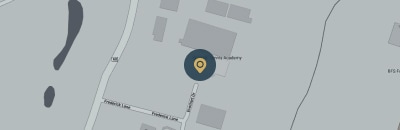
We do. Robinette Legal Group has represented injured people in Morgantown for more than 30 years, and our office on Everhart Drive is minutes from the Evansdale campus. We know the roads, the hospitals, the courthouse, and the insurance companies that operate here.

This guide is for WVU students and their families. It covers what makes a student’s injury case different, whose insurance pays, and what to do in the first days after an injury, especially when the family is far away.

If you or your student was hurt in Morgantown, call Robinette Legal Group at (304) 594-1800 for a free case evaluation, 24/7.

Why a Student’s Injury Case Is Different

A crash on University Avenue follows the same West Virginia law as any other crash. But a student’s situation changes almost everything around it:

  • The family’s insurance lives somewhere else. Most students are still covered as household members on a parent’s auto, health, and homeowner’s policies back home, often in another state. Those policies can be the biggest source of recovery, and most families never think to check them.
  • The witnesses leave. Roommates, friends, and bystanders scatter at the end of the semester. Statements need to be taken while everyone is still in Morgantown.
  • The injured person may leave, too. Many students go home to recover. Their case can stay in West Virginia while their treatment happens in Pennsylvania, Maryland, New Jersey, or Ohio, and the medical records have to follow.
  • The losses look different. A student may not have a paycheck to lose, but a lost semester, repeated tuition, a forfeited scholarship, a missed internship, or a delayed graduation are real costs. So is a reduced earning capacity from an injury that shapes a career before it starts.
  • Parents are involved, but the student is the client. Most students are legal adults. With their permission, we keep parents informed at every step.

How WVU Students Get Hurt in Morgantown

  • Pedestrian accidents. Students cross University Avenue, Beechurst, and Patteson Drive constantly, often at night and often mid-block. Drivers heading downtown or to the stadium are not always watching.
  • Car accidents. Tight, hilly roads, heavy game-day traffic, and a lot of drivers who are new to town.
  • Rideshare accidents. Uber and Lyft are how many students get home at night. When a rideshare crashes, the driver’s personal policy, the company’s commercial policy, and the other driver’s insurance all come into question.
  • Drunk driving crashes. College towns see more impaired driving on weekends and after games. Victims may have claims against the driver and, in some cases, others who contributed.
  • Bicycle and e-bike accidents. E-bikes have become a common way to get up Morgantown’s hills, and they bring motorcycle-level injuries without motorcycle-level protection.
  • Off-campus housing injuries. Broken stairs, rotted porches and balconies, missing handrails, poor lighting, and fires in older rental houses. Landlords have a duty to keep rentals reasonably safe. See our slip and fall page.
  • Game days and crowded events. Crowds, tailgates, and heavy traffic around Milan Puskar Stadium and the Coliseum raise the risk of pedestrian strikes, falls, and fights.
  • Brain injuries. Any of the above can cause a concussion or traumatic brain injury, which can affect coursework, concentration, and memory long after the visible injuries heal.

Whose Insurance Pays When a Student Is Hurt

This is the question that decides most student cases, and it is the one families most often get wrong. A college student usually has little or no insurance of their own. The recovery comes from two places: the party who caused the injury and the student’s family policies.

Source When it applies
At-fault driver’s liability policy Almost every vehicle crash. West Virginia minimum limits are low and are often exhausted by a serious injury.
Parents’ uninsured and underinsured motorist (UM/UIM) coverage Often covers a student listed or living as a household member, including one living away at college, when the at-fault driver has too little insurance or none.
Parents’ medical payments coverage Can pay medical bills quickly, regardless of fault, depending on the policy.
Rideshare company’s commercial policy When the student was a passenger in, or was hit by, an Uber or Lyft on an active trip.
Landlord’s or property owner’s liability policy Falls, fires, and structural failures at rentals and businesses.
Parents’ health insurance or student health plan Covers treatment up front, but usually expects to be repaid from any settlement.


Whether a student counts as a “resident relative” under a parent’s policy while living in Morgantown depends on the policy language and sometimes the law of the parents’ home state. Insurers do not always volunteer that coverage exists. We ask for every policy and read it.

For more on how coverage works when the other driver has none, see our uninsured motorist page.

When WVU, the City, or a Landlord Is Involved

Some student injuries happen on property owned by someone with more legal protection than an ordinary driver.

  • WVU. West Virginia University is a state institution. Injury claims involving university property, vehicles, or employees follow different rules and procedures than a claim against a private person or company, and those rules can limit where and how a case is brought. Do not assume a claim is impossible, and do not assume it follows the normal timeline.
  • The City of Morgantown and other local governments. Claims over dangerous sidewalks, crosswalks, or road conditions are governed by West Virginia’s rules for political subdivisions, which include immunities and exceptions that need careful analysis early.
  • Private landlords. Most off-campus housing is privately owned. A landlord who ignored a broken railing, a failing porch, missing smoke detectors, or blocked exits can be held responsible. Photos, text messages, and emails showing that repairs were requested are critical, so save them.
  • Bars and event hosts. In some situations, businesses and hosts that contributed to a dangerous situation can share responsibility.

These cases turn on facts that disappear quickly, from maintenance records to surveillance video. The sooner they are preserved, the better.

For Parents: Helping From a Distance

You cannot drive to Morgantown every time something needs to be done. You do not have to. Here is how we work with families who live out of state:

  • One point of contact. You and your student get a direct line to our team, 24/7. We return calls.
  • Remote everything. Consultations, document signing, and updates happen by phone, video, email, and e-signature. Most clients never need to come to the office.
  • Treatment at home is fine. If your student comes home to recover, they can see doctors near you. We gather those records and bills wherever the care happens.
  • We handle Morgantown. Police reports from Morgantown PD or WVU Police, hospital records from J.W. Ruby Memorial or Mon Health, witness statements, and scene evidence are gathered here by people who know where to look.
  • We talk to the insurers, including your own. You do not have to explain your policy to an adjuster or guess what it covers.
  • Your student decides. Because most students are adults, they sign the paperwork and make the final decisions. With their permission, we keep you in every conversation.

Fees work the same way for every family: no upfront cost, and we are paid only if we recover money for your student.

What to Do Right After an Injury

For students:

  1. Get medical care the same day. Go to the ER or urgent care, even if you feel fine. Concussions and internal injuries often show up hours later.
  2. Report it. Call Morgantown PD or WVU Police for a crash or assault, and notify the landlord in writing for a housing injury. Get the report number.
  3. Take photos and video. The scene, the vehicles, the stairs or railing, your injuries, and anything that shows how it happened.
  4. Get names and numbers now. Friends and witnesses will be hard to find once the semester ends.
  5. Call your parents. Their insurance policies may matter more than you think.
  6. Say nothing to insurers. Do not give a recorded statement or sign anything from the other side’s insurance company.
  7. Stay off social media about it. Insurers look at student accounts. A photo from a tailgate a week later can be used against you.

For parents:

  1. Find your policies. Auto, homeowner’s or renter’s, umbrella, and health. Note whether your student is listed on the auto policy.
  2. Do not call your own insurer to “explain” first. Talk to a lawyer about how to report the claim.
  3. Keep a record. Travel, lost work, and money you spend on your student’s care may be recoverable.

WVU Student Injury FAQ

My student is from out of state. Does the case have to be filed back home?

Usually not. An injury in Morgantown is generally handled under West Virginia law and can be brought in Monongalia County. Your home-state insurance policies can still pay.

Is my child covered by our car insurance while living at WVU?

Often, yes. Many policies treat a full-time student living away at college as a household member. It depends on the policy language, which is why we review it.

My student has to withdraw for the semester. Can we recover the lost tuition?

Lost tuition, delayed graduation, lost scholarships, and reduced future earning capacity can all be part of the damages when the injury caused them.

Can my student see their own doctors back home?

Yes. Treatment can happen wherever your student is recovering. We collect the records and bills from every provider.

How long do we have to file?

In most West Virginia injury cases, two years from the date of the injury. Claims involving the state, WVU, or local governments can follow different procedures, so do not wait.

What if my student had been drinking?

It does not automatically end the case. West Virginia lets an injured person recover as long as their share of fault is not greater than everyone else’s combined, reduced by their percentage. A driver who ran a light is still responsible.

Will this affect my student’s standing at WVU?

A personal injury claim against a driver, landlord, or business is a civil matter and separate from the university’s student conduct process.

Talk to a Morgantown Injury Lawyer Who Knows WVU

Robinette Legal Group is based at 211 Everhart Drive, minutes from the Evansdale campus. Jeff Robinette is a National Board Certified Trial Attorney and a former insurance defense lawyer, and he has spent more than 30 years representing injured people in Morgantown. He knows how insurers handle student claims, and how to get the coverage that is actually there.

Whether you are a student in Morgantown or a parent six hours away, call us at (304) 594-1800. The consultation is free, and you pay nothing unless we recover for you.


Our Awards and Certifications


img
img
Jeffery Robinette
Jeffery Robinette
FOUNDER
Jeffery Robinette is a West Virginia Personal Injury Lawyer based in Morgantown who represents individuals who have been seriously injured or killed due to motor vehicle collisions or catastrophic workplace accidents.

Free Case Evaluation

(304) 594-1800 CALL 24/7