
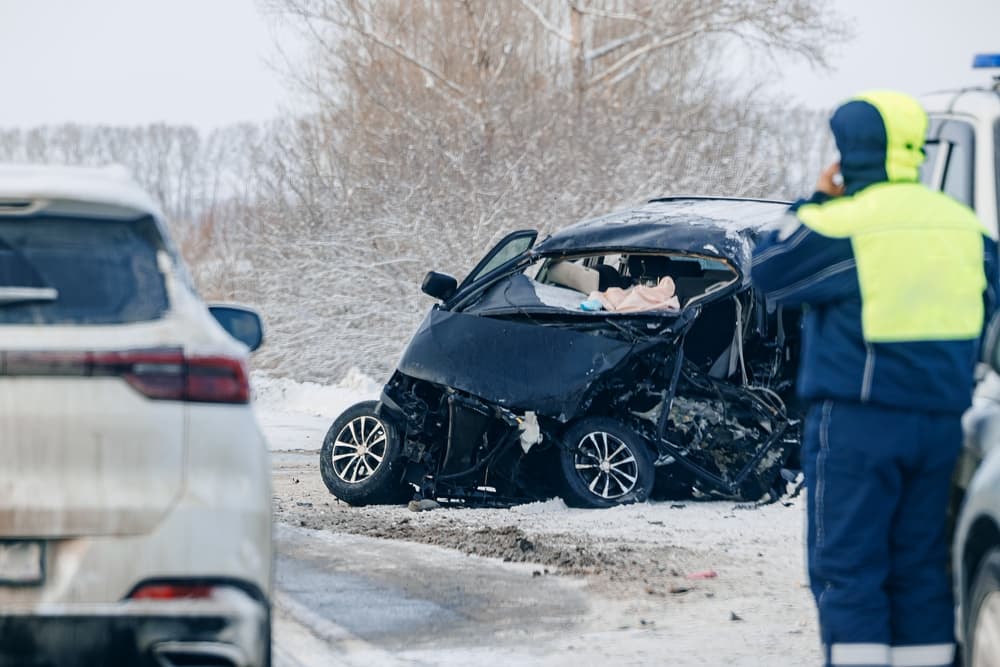
Winter transforms Morgantown’s roads into unpredictable hazards. Steep hills, narrow streets, and sudden temperature drops create dangerous driving conditions that often lead to serious collisions. Snowfall, freezing rain, and black ice make it harder for drivers to maintain control, stop safely, or judge distances accurately. Every year, winter crashes send residents to emergency rooms, leave vehicles totaled, and create complex legal questions about who is responsible.
Even though winter weather plays a role, liability rarely disappears simply because the roads were slippery.
Drivers must still operate their vehicles safely for conditions, and negligent behavior becomes even more dangerous when ice and snow are involved. When victims are injured in these crashes, the cause isn’t always straightforward — and insurance companies often try to shift blame. Understanding how winter weather affects liability helps victims know what to expect after a collision.
Reach out to a Morgantown personal injury lawyer to investigate winter crash liability, protect your rights, and pursue the compensation you deserve.
Key Takeaways:
- Winter conditions increase crash risk but do not eliminate driver responsibility.
- Ice, snow, and visibility issues often complicate liability disputes.
- Insurance companies may try to blame the weather instead of negligent drivers.
- Evidence must show how the other driver failed to drive safely for conditions.
- Legal representation helps clarify responsibility in winter-weather collisions.
Schedule a free case evaluation
How Winter Weather Contributes to Crashes in Morgantown
Morgantown’s terrain magnifies winter driving risks. Steep hills freeze quickly, and shaded roadways often retain snow or ice even after other areas have thawed. As temperatures swing, slush can turn into black ice within minutes. Drivers traveling along routes like Van Voorhis Road, Stewart Street, or University Avenue frequently encounter sudden patches of slick pavement that make it difficult to stop or maneuver safely.
Winter conditions reduce tire traction and lengthen stopping distances, increasing the risk of rear-end collisions and intersection crashes. Heavy snowfall reduces visibility, making it difficult to see brake lights, pedestrians, or vehicles entering the roadway.
Fog and blowing snow create additional hazards, especially at night. Even experienced drivers can struggle with traction, but those who speed, follow too closely, or fail to brake gradually are far more likely to lose control.
While weather is a factor, crashes rarely occur without human error. Insurance companies may argue that no one is at fault because of icy conditions, but this overlooks the duty of every driver to adjust to weather conditions. When drivers fail to slow down, leave appropriate space, or anticipate hazards, winter roads become even more dangerous — and victims pay the price.
Why Liability Still Matters in Ice and Snow Crashes
A common misconception is that winter weather excuses negligence. In reality, drivers are required to account for the road conditions around them. When ice or snow is present, the standard of reasonable driving changes: motorists must slow down, increase following distance, avoid sudden braking, and stay alert for patches of ice.
Failing to adjust is considered negligent, even when weather contributes to the crash.
Liability disputes often become more complicated in winter crashes because both sides may blame road conditions rather than driver behavior. Insurance companies frequently argue that ice made the crash unavoidable. However, many collisions occur because a driver was traveling too fast for conditions, braking suddenly, or failing to maintain control on a known hazard. Evidence — such as skid marks, vehicle damage, tire condition, and witness accounts — helps determine whether the at-fault driver acted responsibly.
Robinette Legal Group evaluates weather reports, roadway maintenance, vehicle handling, and driver decisions leading up to the crash. Winter weather may set the stage, but human negligence is often the deciding factor. Understanding how these elements interact is essential to building a strong claim.
Common Injuries Caused by Winter Driving Accidents
Winter crashes often lead to more severe injuries because icy conditions reduce vehicle stability and increase the force of impact. Victims frequently experience whiplash, back injuries, concussions, and broken bones. Side-impact collisions are more common in icy intersections, where vehicles slide into the path of crossing traffic. Rear-end crashes also increase during winter, often resulting in head, neck, and spinal injuries.
Pedestrians and cyclists face heightened danger when sidewalks or bike lanes are covered in snow. Vehicles that lose traction can slide onto walkways or crosswalks, leading to catastrophic injuries. Even low-speed winter crashes can produce significant harm because vehicles slide uncontrollably instead of absorbing the force normally.
These injuries often require extended medical treatment, physical therapy, and time away from work. Insurance companies may downplay injuries by claiming the crash was low-speed or unavoidable, but the victim’s physical experience tells a very different story. Documenting pain levels, medical visits, and functional limitations is critical in showing the real impact of winter driving injuries.
How Insurance Companies Handle Winter Accident Claims
Insurers often use winter weather as a defense to avoid paying full compensation. They may argue the crash was “unavoidable,” claiming ice or snow is solely responsible. Adjusters frequently imply that both drivers share fault, even when the victim was driving carefully. These strategies reduce payouts and shift financial responsibility away from the at-fault driver.
Insurance companies may also question whether the victim was traveling too fast for conditions or whether their vehicle was properly maintained. They may scrutinize tire condition, brake performance, and visibility through windows and mirrors. Without strong legal guidance, victims may unknowingly accept blame or agree to a reduced settlement because they assume weather is a legitimate excuse.
Robinette Legal Group challenges these tactics by reviewing weather data, roadway conditions, and driver behavior before the collision. We look closely at the at-fault driver’s speed, braking patterns, and decision-making. If the driver acted unreasonably for winter conditions, liability remains — regardless of the weather. The right legal strategy ensures that victims aren’t left paying for injuries caused by another driver’s negligence.
How Road Maintenance and City Response Affect Winter Crash Cases
Winter road maintenance in Morgantown varies depending on snowfall, temperature changes, and the availability of salt and plow crews. While the city works to clear major roads, secondary streets, steep residential areas, and shaded routes often remain icy for long periods.
Poorly treated roads can contribute to crashes, but that does not automatically shift liability to the city or state. In most cases, drivers are still responsible for adjusting their speed and behavior to match road conditions.
However, roadway maintenance can become relevant in certain scenarios. If a known hazard — such as a large untreated icy patch — has been reported repeatedly without action, questions may arise about the government’s response. These cases are complicated by strict rules governing claims against public entities.
The process involves tight deadlines, immunity laws, and specific evidence requirements. Most victims are unaware of these legal barriers, and insurers may use this confusion to deflect responsibility.
Robinette Legal Group evaluates whether roadway conditions contributed to the crash and whether a public or private party played a role. Even when maintenance issues are present, driver negligence is often still the primary cause. Understanding how these factors interact is essential for determining liability and building a strong claim.
Schedule a free case evaluation
Why Tire Condition and Vehicle Maintenance Become Evidence
During winter accidents, insurance companies often examine a vehicle’s tire condition, brake performance, and overall maintenance to dispute liability. They may claim the victim’s tires were worn, improperly inflated, or not suitable for winter driving. They may also look for evidence of delayed maintenance that could affect braking or steering. These arguments are often used to shift blame or reduce compensation.
Victims should not assume that poor road conditions eliminate the importance of a well-maintained vehicle. However, insurance companies frequently exaggerate maintenance issues to avoid paying claims. The presence of ice or snow does not excuse another driver’s reckless behavior, and a victim’s routine maintenance history is rarely the deciding factor in liability.
Robinette Legal Group reviews maintenance records, tire reports, and inspection findings carefully to ensure insurers do not distort the facts. We also compare the at-fault driver’s vehicle condition to determine whether their equipment contributed to the crash. When drivers operate unsafe vehicles in winter conditions, the risk of losing control increases substantially — and that can form part of a strong liability claim.
Automotive evidence, when presented correctly, strengthens the case and prevents unfair blame-shifting.
Why Witness Testimony Matters in Winter Collisions
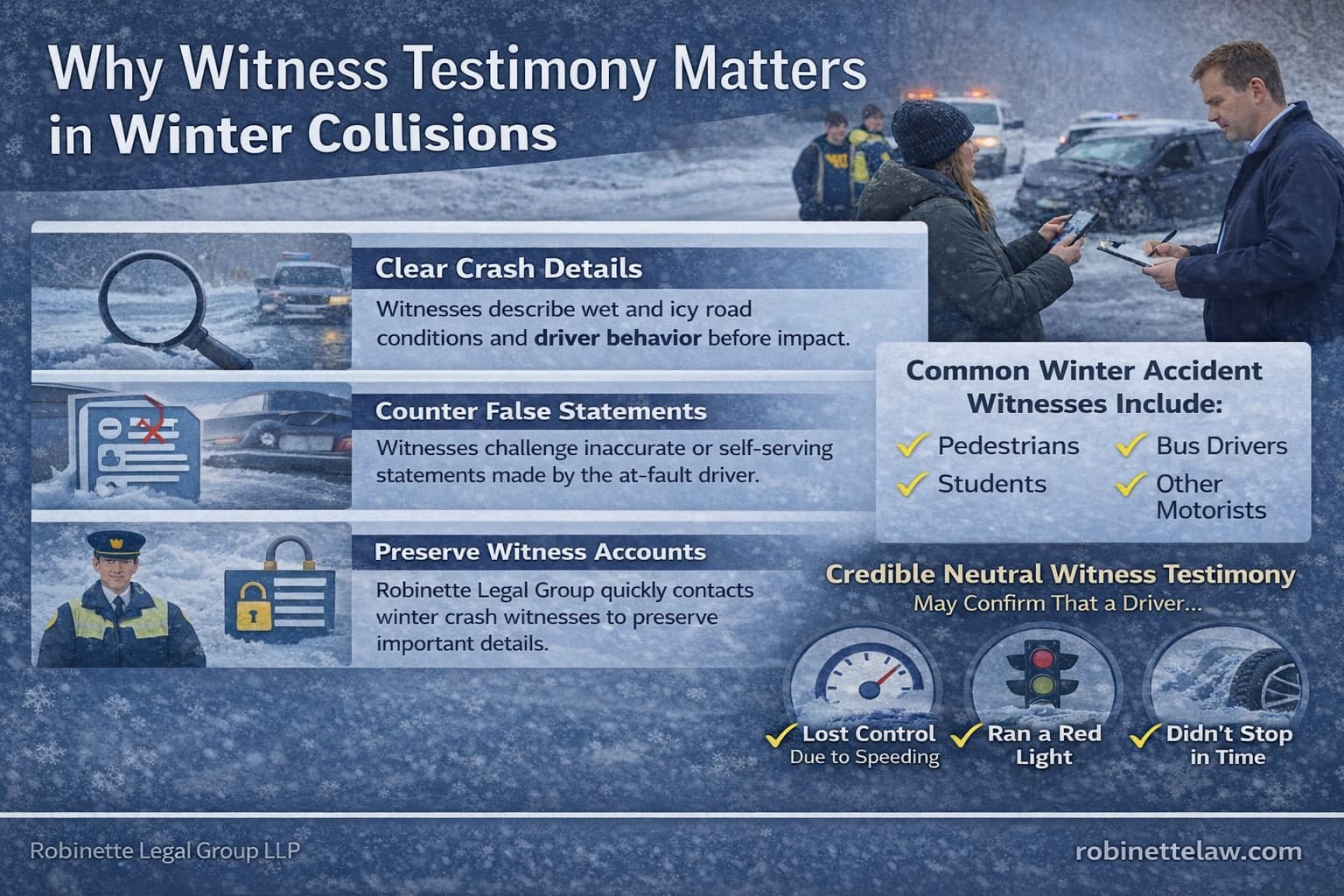
Winter crashes often happen fast, and icy roads cause vehicles to slide unpredictably. Witnesses can provide valuable clarity about how the crash occurred, whether a driver was speeding, and how traffic conditions looked in the moments before impact.
In intersections, parking lots, or busy roads near WVU, witnesses may include pedestrians, bus drivers, students, or other motorists. Their observations can help counter inaccurate or self-serving statements from the at-fault driver.
Insurance companies may try to downplay witness accounts, especially if the statements contradict their driver’s version of events. However, neutral witnesses often provide the most credible insight into what truly happened. They may confirm that a driver lost control due to speeding, failed to stop in time, or ignored a red light despite icy conditions.
Robinette Legal Group contacts witnesses early to preserve their statements before memories fade or contact information is lost. In winter crashes, these details matter. Visibility, weather severity, and roadway appearance can change rapidly. Witness testimony captures those fleeting moments and provides vital support when insurers attempt to shift blame away from their driver.
The Long-Term Impact of Winter Driving Injuries
Injuries from winter accidents can affect victims long after the snow melts. Common injuries — such as whiplash, spinal strain, fractures, and concussions — often require ongoing treatment.
Victims may face mobility limitations, chronic pain, or neurological symptoms that interfere with work, daily routines, and quality of life. Winter crashes also frequently involve emotional trauma, including anxiety about driving in icy conditions again.
Insurance companies often undervalue long-term injuries, claiming the crash involved low speeds or minimal vehicle damage. They may argue that symptoms should resolve quickly, ignoring the reality that winter collisions can cause unpredictable and powerful impacts. The body reacts differently when a vehicle slides and rotates, and these forces can produce injuries that last far longer than expected.
Robinette Legal Group documents the full impact of winter-related injuries, including future medical needs, rehabilitation, and loss of earning capacity. Winter collisions may occur in a moment, but their consequences can shape a victim’s life for years. Ensuring these long-term effects are recognized is essential to obtaining fair compensation.
How Robinette Legal Group Supports Victims of Winter Driving Accidents
Victims of winter collisions often feel overwhelmed. Between medical appointments, vehicle repairs, and insurance pressure, navigating the aftermath of an accident becomes a heavy burden. Insurance companies may contact victims immediately, claiming weather was the only cause or suggesting shared fault. These strategies can confuse victims and weaken their claims before they understand their rights.
Robinette Legal Group steps in to protect victims from these tactics. We gather evidence early, including photos of ice patches, weather reports, witness accounts, and traffic data. We analyze how road conditions interacted with driver behavior and determine whether the at-fault driver acted reasonably for the conditions. Our attorneys handle all communication with insurance companies and build a claim that reflects the full severity of the crash.
With experience investigating winter collisions throughout Morgantown, our firm understands the complexities these cases bring. Victims deserve strong, dedicated representation that ensures their injuries, losses, and long-term needs are fully accounted for.
Give Us a Call Today
Winter driving accidents often leave victims struggling with painful injuries, unexpected expenses, and complicated liability disputes. You deserve an attorney who understands how ice, snow, and driver negligence interact — and who knows how to build a strong case despite insurance company pushback. Robinette Legal Group, PLLC is ready to protect your rights and guide you through every step of the legal process.
If you were injured in a winter crash in Morgantown or nearby communities, give us a call today at (304) 594-1800 to speak with a lawyer who can help.
Schedule a free case evaluation

Jeffery Robinette was admitted to practice law in 1991 and is licensed in all levels of state and federal trial courts in West Virginia. Mr. Robinette is also licensed in all state and federal appeals courts in West Virginia and the United States Supreme Court. As a National Board Certified Trial Attorney who has handled hundreds of motor vehicle, injury, and construction defect claims and a leading author on insurance claims settlement issues and difficulties in West Virginia, Jeff Robinette is uniquely qualified to represent your best interest.