

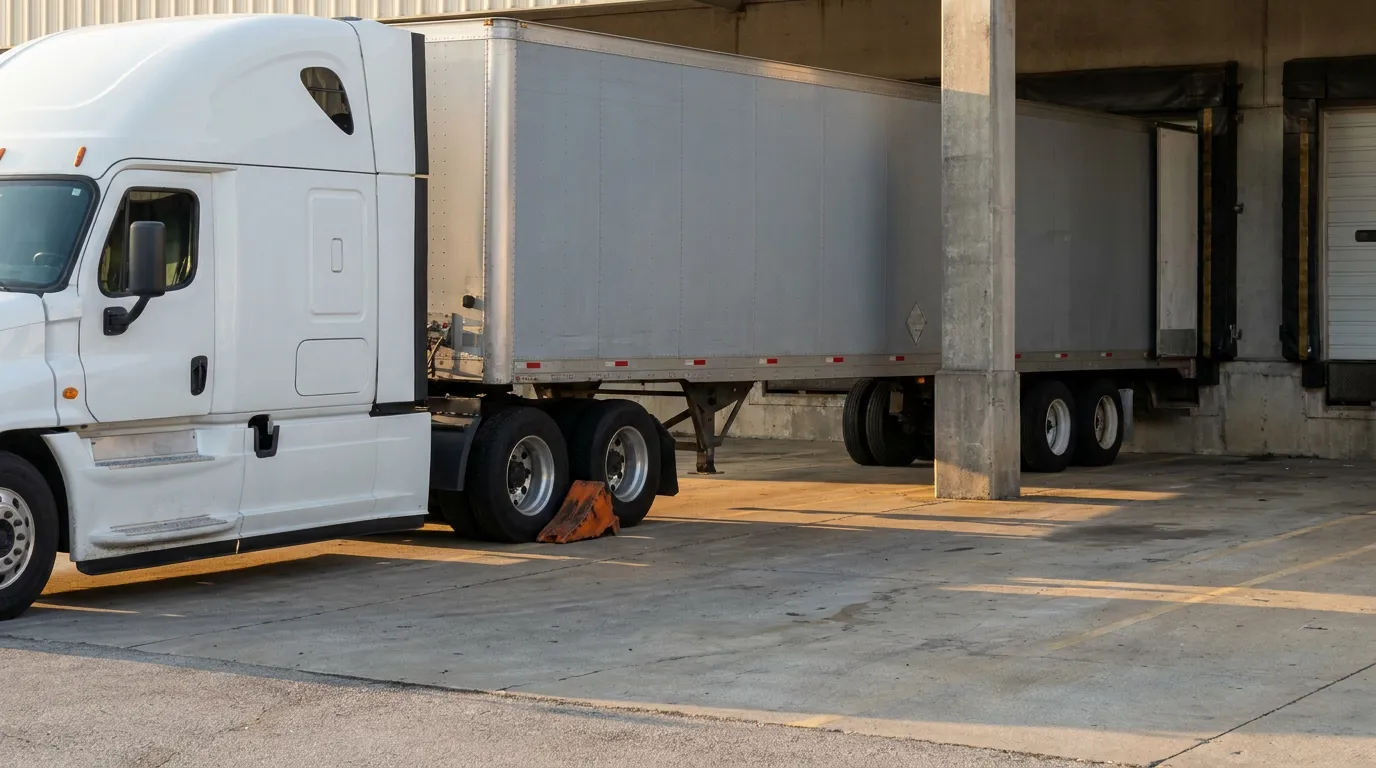
When a Broker’s Bad Choice Puts a Dangerous Truck on the Road
Key Takeaways: Yes, a freight broker may be held responsible for hiring an unsafe trucking company if it failed to use reasonable care in choosing the carrier and that failure helped cause a crash. In Montgomery v. Caribe Transport II (May 14, 2026), the U.S. Supreme Court unanimously held that the FAAAA’s safety exception saves state-law negligent hiring claims against brokers from preemption. Victims must still prove duty, breach, causation, and damages. Red flags like conditional safety ratings, lapsed insurance, and poor FMCSA carrier safety records may show what a broker knew or should have known. Naming the broker may add another source of payment when a carrier’s insurance falls short, and West Virginia’s reallocation rules may shift unpaid shares to certain other liable defendants. West Virginia generally allows two years to file personal injury and wrongful death claims, so acting quickly helps preserve key evidence.
Yes, in some cases, a freight broker may be held responsible for hiring an unsafe trucking company. If a broker chose a carrier with a poor safety history and that carrier’s truck caused a crash, West Virginia negligence law may let an injured person bring a claim against the broker as well as the driver and the trucking company. In 2026, the U.S. Supreme Court confirmed that federal law generally does not block these claims. The Court held that negligent hiring claims against freight brokers fall within the safety exception of the Federal Aviation Administration Authorization Act (FAAAA), so the FAAAA does not preempt them. The Court also noted that a separate part of the law may still preempt some claims involving shipments that stay within one state. For families in Morgantown dealing with surgery, lost income, or the death of a loved one, that ruling may lead to more compensation.
If a commercial truck crash has changed your life, you do not have to figure out who is responsible on your own. Robinette Legal Group PLLC can review your case, look into the broker that arranged the load, and explain your options. Call 304-501-5753 or schedule your free consultation today.
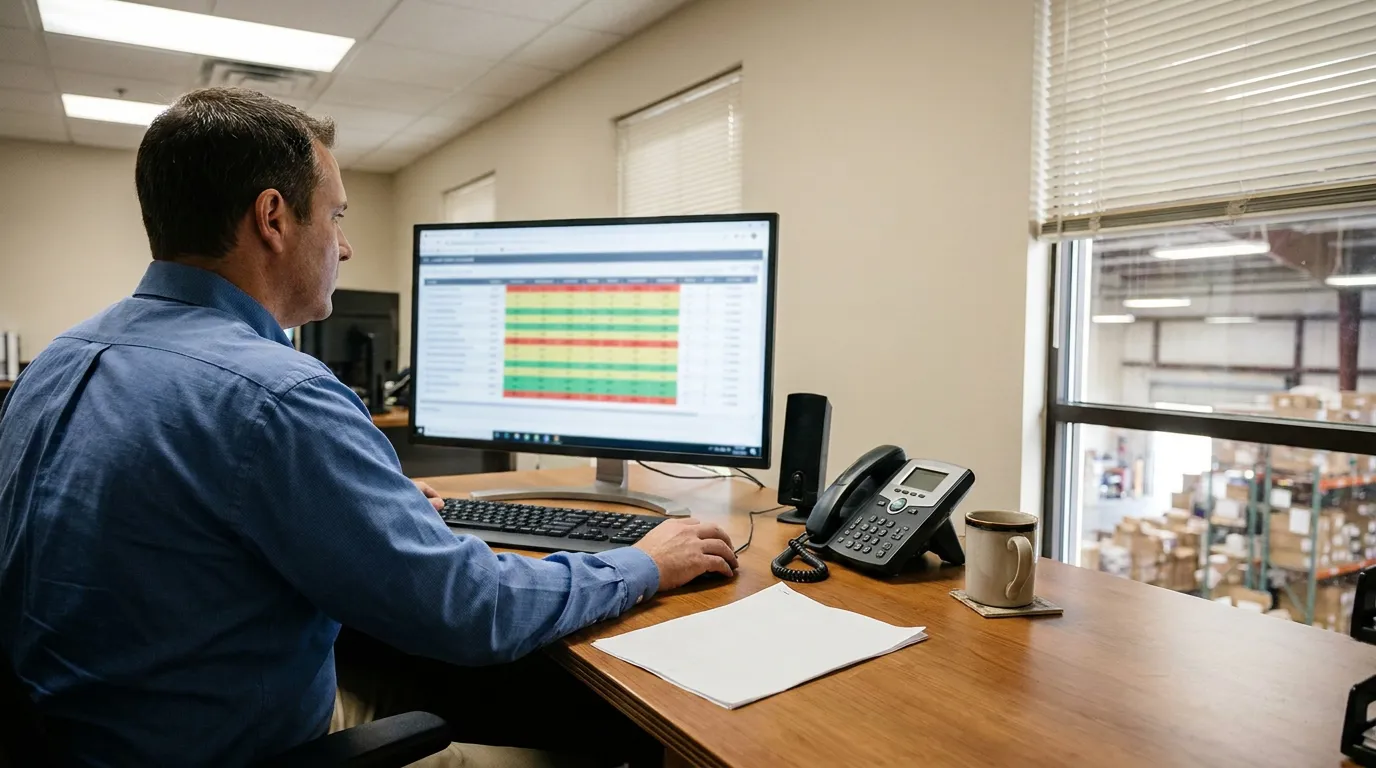
How Freight Broker Liability Truck Accident Claims Work
A freight broker does not drive or own the truck, but it does decide who gets the job. Federal law defines a broker as a person who arranges for transportation by an authorized motor carrier for pay, under 49 U.S.C. § 13102(2) and 49 C.F.R. § 371.2. Because the broker picks the carrier, it may share the blame when it hands a load to a dangerous company.
These claims usually rest on a theory called negligent selection, sometimes called negligent hiring. The injured person generally must show that the broker owed a duty of reasonable care in choosing a carrier, failed to meet that duty, helped cause the crash through that failure, and that the victim suffered real harm. Courts may look closely at what the broker knew or could have found out with reasonable effort. Montgomery did not decide a separate theory, vicarious liability, which depends on how much control the broker had over the carrier.
What the Supreme Court Decided in Montgomery v. Caribe Transport
For years, brokers argued that federal law shielded them from these lawsuits. The Montgomery case began with a terrible crash. Shawn Montgomery had pulled his tractor-trailer onto the shoulder of an Illinois highway when a driver working for carrier Caribe Transport II veered off the road and struck him. Montgomery lost his leg. He argued that the broker, C.H. Robinson, should have known the carrier was unsafe because federal regulators had given the carrier a "conditional" safety rating when C.H. Robinson hired it.
The Court ruled for the injured driver in a unanimous decision on May 14, 2026. The Court reversed the Seventh Circuit and sent the case back for more proceedings. The ruling settles only the preemption question. It does not decide whether any broker was negligent, so each victim still has to prove the claim under state law.
What a Reasonable Broker Should Check Before Hiring a Carrier
The broker’s duty of care often comes down to what a careful broker would have reviewed before handing over a load. FMCSA’s broker compliance guide explains brokers’ federal duties, and FMCSA’s SAFER website and carrier safety records are open to the public. Warning signs that may support a claim include:
- A "conditional" or "unsatisfactory" safety fitness rating under 49 C.F.R. Part 385
- Missing, suspended, or newly issued operating authority or USDOT registration
- Insurance that was lapsed, unverified, or barely at the legal minimum
- A history of out-of-service orders, hours-of-service violations, or high crash rates
- Poor driver qualification records or repeated maintenance violations
Why the FMCSA Carrier Safety Record Matters
A carrier’s FMCSA carrier safety record can become key evidence in a "knew or should have known" argument. If the red flags were public and easy to find, a jury may consider whether ignoring them fell below reasonable care. Brokers must keep transaction records under 49 C.F.R. § 371.3, and those records may show what the broker checked and what it skipped.
💡 Pro Tip: Broker records, load tender emails, and carrier onboarding files can be lost or overwritten. An attorney can send a preservation letter early so this evidence is kept for your case.
Why Naming the Broker Can Protect Your Recovery
A serious truck crash often causes losses far greater than a small trucking company’s insurance can cover. Severe injuries may require emergency care, surgeries, months of rehab, and lifelong treatment, and many victims also lose income. When an unsafe carrier has minimal coverage, its policy limits may run out long before those losses are paid.
Adding a broker as a defendant may add another source of compensation. Many brokers carry their own liability insurance and have assets separate from the carrier, though coverage varies and federal law requires only a $75,000 surety bond or trust fund. A thorough investigation may also find other sources, such as underinsured motorist (UIM) coverage on your own policy. The guide to who can be sued after a truck crash explains other parties that may share responsibility.
How West Virginia Divides Fault Among Multiple Parties
West Virginia generally holds each defendant responsible only for its own share of fault. Under West Virginia’s several liability law, W. Va. Code § 55-7-13c(a), each defendant’s liability for compensatory damages is generally several only, in direct proportion to its percentage of fault. Under W. Va. Code § 55-7-13a(b) and (c), the jury generally assigns fault to plaintiffs, defendants, and in some cases nonparties.
| Rule | West Virginia Statute | What It May Mean for You |
|---|---|---|
| Several liability by default | W. Va. Code § 55-7-13c(a) | The broker may generally pay only its own percentage of fault |
| Fault assigned to all responsible persons | W. Va. Code § 55-7-13a(b)-(c) | The driver, carrier, broker, and others may share fault |
| Reallocation of unpaid amounts | W. Va. Code § 55-7-13c(d) | Unpaid shares may shift to certain other liable defendants |
| Joint liability exceptions | W. Va. Code § 55-7-13c(h) | Impaired driving, certain criminal conduct, or illegal hazardous waste disposal may trigger joint liability |
| Modified comparative fault | W. Va. Code § 55-7-13c(c) | You may recover if your fault is not greater than everyone else’s combined |
Reallocation is one of the strongest reasons to include a broker in a truck accident injury lawsuit. Under W. Va. Code § 55-7-13c(d), if a plaintiff through good faith efforts cannot collect from a liable defendant, such as a nearly uninsured carrier, the plaintiff may move, not later than one year after the judgment becomes final through lapse of time for appeal or exhaustion of appeal, to reallocate the uncollectible amount among the other liable parties. There shall be no reallocation against a defendant whose percentage of fault is equal to or less than the plaintiff’s percentage of fault.
Joint and several liability may apply in some cases. Under W. Va. Code § 55-7-13c(h), this can include a defendant whose impaired driving, certain criminal conduct, or illegal hazardous waste disposal proximately caused the harm. Under W. Va. Code § 55-7-13c(a), defendants who knowingly and consciously conspired to commit a tortious act may also be held jointly liable.
Deadlines That Can End a Claim Before It Starts
West Virginia generally gives injured people two years to file a personal injury lawsuit. Under W. Va. Code § 55-2-12(b), that period usually begins when the right to sue accrues, and it generally applies to a negligence claim against a broker. For wrongful death, W. Va. Code § 55-7-6(d) generally requires the personal representative to file within two years after the death, subject to W. Va. Code § 55-2-18.
Some exceptions may pause or extend these deadlines in limited cases. Courts generally read these exceptions narrowly, and investigating a broker takes time, so waiting can make it harder to build the claim.
💡 Pro Tip: Insurers may try to settle quickly before you know the full cost of your future medical care. Talk with a lawyer before signing any release, because a release could waive claims against the broker too.
Frequently Asked Questions
1. Can I sue a freight broker even if it never touched the truck?
Possibly. Freight broker negligence claims focus on the broker’s choice of carrier, not its control of the truck. If the broker failed to use reasonable care in choosing an unsafe carrier and that failure helped cause your injuries, you may have a claim.
2. Does Montgomery v. Caribe Transport guarantee I can win against a broker?
No. The decision held that the FAAAA does not preempt state negligent hiring claims against brokers, though some claims involving shipments within one state may still face preemption arguments. You still have to prove duty, breach, causation, and damages under West Virginia law.
3. What if I was partly at fault for the crash?
Under W. Va. Code § 55-7-13c(c), you may still recover as long as your fault is not greater than the combined fault of everyone else. Your award would generally be reduced by your own percentage of fault.
4. What compensation may be available?
Damages may include medical costs, lost wages, lost earning capacity, pain and suffering, emotional distress, and loss of enjoyment of life. Families may also be able to bring wrongful death claims.
5. How do I find out which broker arranged the load?
Bills of lading, dispatch records, and rate confirmations usually name the broker. A Morgantown truck accident lawyer may be able to get these through investigation and discovery.
Holding Every Responsible Party Accountable
Freight broker liability truck accident claims may let victims reach a party that helped put a dangerous truck on the road. After Montgomery, brokers generally cannot rely on FAAAA preemption to avoid state-law negligent hiring claims. West Virginia’s fault and reallocation rules can make including the broker especially important when the carrier’s insurance falls short. Talking with an experienced freight broker liability lawyer can help you understand who may be responsible.
You deserve answers and a full recovery after a crash that was not your fault. Robinette Legal Group PLLC is ready to investigate the driver, the carrier, and the broker behind your crash. Call 304-501-5753 or contact our team now to schedule your free consultation.
Disclaimer: This content is for informational purposes only and is not legal advice. Every case is unique, and results may vary. Consult an attorney about your specific circumstances.

Jeffery Robinette was admitted to practice law in 1991 and is licensed in all levels of state and federal trial courts in West Virginia. Mr. Robinette is also licensed in all state and federal appeals courts in West Virginia and the United States Supreme Court. As a National Board Certified Trial Attorney who has handled hundreds of motor vehicle, injury, and construction defect claims and a leading author on insurance claims settlement issues and difficulties in West Virginia, Jeff Robinette is uniquely qualified to represent your best interest.