


Why Medical Records Can Make or Break Your Morgantown Car Crash Case
Key Takeaways:
Medical records form the foundation of car accident injury claims, linking injuries to the crash and supporting damages. West Virginia’s modified comparative fault system under WV Code §55-7-13A allocates liability by percentage of fault, making thorough documentation essential. You have two years from the accident date to file a personal injury lawsuit. Pre-existing conditions don’t bar recovery when clear medical evidence distinguishes new injuries from prior issues. An experienced Morgantown personal injury lawyer can help build a compelling case.
After a serious car crash in Morgantown, medical records often become your most important evidence. They create a documented timeline connecting the at-fault driver’s negligence to your emergency room visits, surgeries, rehabilitation, and ongoing treatment. Without strong documentation, insurers may downplay your injuries, argue they pre-existed the accident, or deny your claim. Understanding how medical records function within West Virginia’s legal framework helps protect your health and compensation rights.
If you suffered serious injuries in a Morgantown car accident, Robinette Legal Group PLLC is here to help. Call 304-501-5753 or reach out online today.
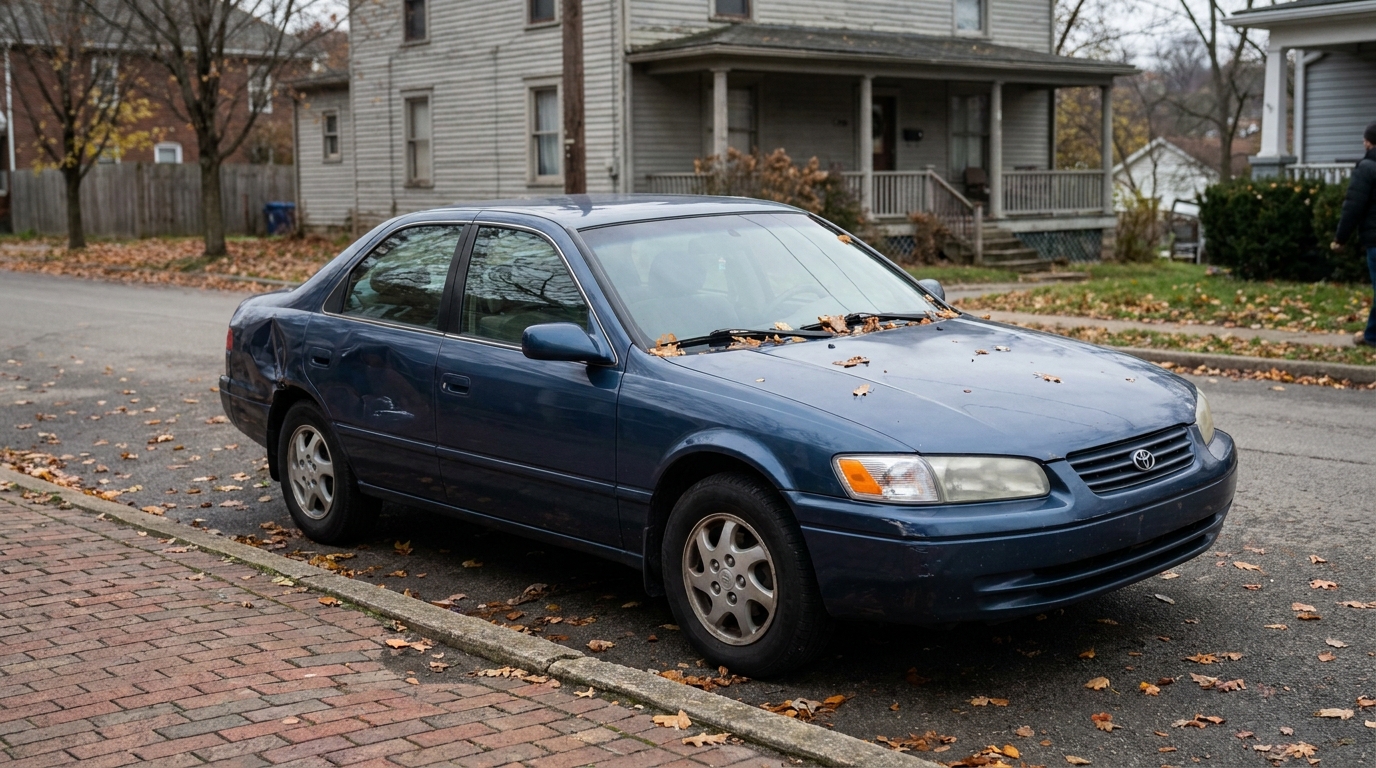
How Medical Records Prove Damages in a Car Accident Attorney in Morgantown West Virginia Case
Medical records provide concrete, verifiable evidence translating your pain into a documented legal claim. In West Virginia, damages in a personal injury case can cover medical bills, lost wages, pain and suffering, loss of enjoyment of life, and property damage. A spouse may pursue a separate claim for loss of consortium. Your medical records tie each category to the crash. Emergency department reports, surgical notes, physical therapy records, and physician narratives paint a complete picture of how the collision affected your body and daily life.
Thorough car accident injury documentation in Morgantown matters because insurance adjusters scrutinize every treatment gap. If you waited weeks to see a doctor or skipped appointments, the opposing insurer may argue your injuries weren’t severe. Prompt medical attention protects both your health and legal rights. Each visit generates records that strengthen your case.
💡 Pro Tip: Request copies of every medical record related to your crash injuries. Under HIPAA, you have the right to obtain records, and having a complete file early gives your legal team tools to build a solid claim.
Understanding West Virginia’s Comparative Fault System and Your Medical Evidence
West Virginia follows a modified comparative fault system that directly affects your compensation. Under WV Code §55-7-13A(a), comparative fault is defined as the degree to which a person’s fault was a proximate cause of alleged personal injury or death or property damage, expressed as a percentage. WV Code §55-7-13A(b) provides that liability is allocated to each person in direct proportion to their percentage of fault.
This percentage-based system makes medical records critical to your case outcome. Under WV Code §55-7-13c(c), a plaintiff’s fault doesn’t bar recovery unless their fault exceeds the combined fault of all other responsible parties. If a jury determines you were 30% at fault and the other driver 70% at fault, your damages would be reduced by 30%. However, if you bear more fault than all other parties combined, you cannot recover. Strong medical evidence helps establish that the other driver’s conduct caused your injuries.
How Fault Allocation Affects Your Compensation
Under WV Code §55-7-13c(a), each defendant’s liability for compensatory damages is several only and may not be joint. Each at-fault party pays only their proportionate share. Important exceptions apply under WV Code §55-7-13c(h): a defendant may be held jointly and severally liable if their conduct constitutes (1) driving under the influence of alcohol or drugs, (2) criminal conduct, or (3) illegal disposal of hazardous waste, provided that conduct proximately caused the plaintiff’s damages.
| Fault Scenario | Can You Recover? | How Damages Are Calculated |
|---|---|---|
| You are 0% at fault | Yes | Full damages awarded |
| You are 30% at fault | Yes | Damages reduced by 30% |
| You are 51% or more at fault | No | Recovery barred entirely |
💡 Pro Tip: If the other driver was intoxicated, preserve all police reports and toxicology evidence. Joint and several liability under WV Code §55-7-13c(h)(1) may allow fuller compensation.
The Types of Medical Records That Strengthen Morgantown Car Crash Evidence
Not all medical records carry equal weight in a car accident claim. Certain documentation proves particularly valuable when establishing injury severity, treatment needed, and long-term impact. Gathering these records early gives your attorney the foundation to demand fair compensation.
Emergency and Hospital Records
Emergency room and hospital admission documents establish the immediate connection between the crash and your injuries. They capture your condition at its most acute, including diagnostic imaging, lab results, and initial treatment plans. These records carry significant weight because they were created in real time.
Surgical and Rehabilitation Records
If your injuries required surgery or extended rehabilitation, those records demonstrate your condition’s seriousness. Operative reports detail procedures performed, while physical therapy records track recovery progress. Together, they illustrate the full scope of healthcare costs and support claims for future medical expenses.
Mental Health and Pain Management Documentation
Serious car crashes frequently cause emotional distress, anxiety, depression, and chronic pain. Records from mental health providers and pain management clinicians help substantiate claims for pain and suffering, emotional distress, and loss of enjoyment of life. These non-physical damages often represent a substantial portion of high-value claims.
How Pre-Existing Conditions Affect West Virginia Car Accident Medical Proof
A pre-existing health condition doesn’t automatically prevent recovery. Insurance companies frequently argue that injuries existed before the accident to reduce or deny payouts. However, West Virginia law recognizes that a negligent driver takes the victim as they find them. Your medical records become essential in distinguishing crash-caused injuries from pre-existing conditions.
The key is demonstrating how the collision aggravated or worsened your pre-existing condition. If you had a prior back injury that was stable before the crash but now requires surgery, your medical records before and after will show that clear change. Your treating physicians can provide opinions explaining the difference. An experienced Morgantown auto accident attorney can work with your medical team to present this evidence effectively.
The Two-Year Filing Deadline and Why Prompt Documentation Matters
West Virginia law imposes strict time limits on filing a personal injury lawsuit after a car crash. Under WV Code §55-2-12, personal injury claims must be filed within two years next after the right to bring the same shall have accrued. This same two-year window applies to property damage claims. Missing this deadline generally means losing your right to pursue compensation entirely.
This deadline makes early medical documentation a practical necessity. Medical records created close to the accident carry greater credibility than records generated months later. They help your attorney evaluate your claim’s full value sooner, which matters when negotiating with insurers or preparing for litigation.
💡 Pro Tip: Courts interpret tolling exceptions and deadline extensions narrowly under West Virginia law. Don’t assume special circumstances will extend your two-year window. Consult with a legal professional as soon as possible.
Building a Complete Damages Case With Medical Evidence
Your medical records form the backbone of your entire damages claim. In serious Morgantown car accident cases, compensation may include emergency care, hospitalization, surgery, physical therapy, future treatment, lost wages, diminished earning capacity, pain and suffering, emotional distress, and lasting impact on daily life. Each category requires specific supporting evidence.
Even when liability is clear, insurance companies may attempt to cap your recovery based on policy limits. In high-value injury cases, the at-fault driver’s policy maximum may not cover your full losses. An experienced attorney can identify additional compensation sources, such as underinsured motorist (UIM) coverage on your own policy or third-party liability claims. Detailed medical records make accurate calculation of your injuries’ true cost possible.
Learning how to properly document injuries after a car crash can significantly strengthen your ability to pursue deserved compensation.
What Negligence Requires in West Virginia
To recover compensation, you must show that the other party owed you a duty of care and breached that duty. Every driver owes a duty to operate their vehicle safely. When a driver runs a red light, speeds, drives distracted, or operates under the influence, they breach that duty. Your car wreck medical records in WV connect that breach to the specific injuries and losses you suffered.
Frequently Asked Questions
1. How soon after a Morgantown car accident should I seek medical treatment?
Seek medical attention immediately, even if your injuries seem minor. Serious conditions, such as internal bleeding or traumatic brain injuries, may not produce obvious symptoms right away. Prompt treatment creates a documented medical record linking your injuries to the crash. Treatment delays give insurance companies an opening to argue your injuries weren’t accident-related.
2. Can I still recover compensation if I was partially at fault for my car crash?
Yes, you may still recover damages under West Virginia’s modified comparative fault system. Under WV Code §55-7-13c(c), your fault doesn’t bar recovery unless it exceeds the combined fault of all other responsible parties. If your fault equals or is less than the combined fault of other parties, your damages are reduced by your percentage of responsibility.
3. What if the insurance company says my injuries are from a pre-existing condition?
A pre-existing condition doesn’t automatically disqualify you from recovering compensation. Your medical records from before and after the crash can demonstrate how the collision aggravated or worsened your prior condition. Treating physicians can provide medical opinions supporting this distinction. An experienced car accident attorney in Morgantown West Virginia can help present this evidence to counter insurer tactics.
4. What types of damages can medical records help me recover?
Medical records support claims for a wide range of compensatory damages. These may include emergency care costs, surgical expenses, rehabilitation and ongoing treatment, lost wages, diminished earning capacity, pain and suffering, emotional distress, and loss of enjoyment of life. The more complete your medical documentation, the more accurately your attorney can calculate your claim’s full value.
Protecting Your Future After a Serious Morgantown Car Accident
Medical records are the evidentiary foundation connecting the other driver’s negligence to your injuries, quantifying damages, and protecting your claim against insurance company tactics. Under West Virginia’s modified comparative fault framework, every piece of medical documentation can influence fault allocation and compensation. For anyone dealing with life-changing injuries from a Morgantown car accident, building a thorough medical file is essential.
The award-winning team at Robinette Legal Group PLLC has a proven track record of advocating for seriously injured crash victims throughout Morgantown and West Virginia. Call 304-501-5753 or contact us today for a consultation about your car accident case.

Jeffery Robinette was admitted to practice law in 1991 and is licensed in all levels of state and federal trial courts in West Virginia. Mr. Robinette is also licensed in all state and federal appeals courts in West Virginia and the United States Supreme Court. As a National Board Certified Trial Attorney who has handled hundreds of motor vehicle, injury, and construction defect claims and a leading author on insurance claims settlement issues and difficulties in West Virginia, Jeff Robinette is uniquely qualified to represent your best interest.