
Understanding Accountability in West Virginia’s Coal Country
Key Takeaways: Liability after a West Virginia coal mining accident can extend to mine operators, contractors, equipment manufacturers, and other parties whose negligence proximately caused the harm under W. Va. Code §55-7-13a. While workers’ compensation generally limits direct suits against employers, injured miners may pursue third-party negligence claims or a deliberate intent claim when an employer knowingly violates safety standards and all five statutory elements are met. West Virginia’s modified comparative fault system allocates responsibility proportionally and reduces recovery by an injured miner’s share of fault, barring recovery entirely if that share exceeds the combined fault of all others. Several liability rules make identifying every solvent, at-fault party essential to full recovery. Available damages include medical expenses, lost wages, diminished earning capacity, and pain and suffering. Most personal injury claims face a two-year statute of limitations.
When a coal mine accident leaves a worker with catastrophic injuries, responsibility rarely falls on a single party. Liability may extend to contractors, equipment manufacturers, maintenance companies, and others whose negligence contributed to the harm. West Virginia law allocates fault among everyone who proximately caused the injury, meaning injured miners may have multiple avenues for recovery.
If you or a loved one suffered a serious injury in a mine, the team at Robinette Legal Group PLLC is prepared to help. Call our office at 304-594-1800 to discuss your situation, or request a confidential consultation to learn how we investigate mine liability and pursue the compensation catastrophic injuries demand.
More Than One Party May Be Responsible for a Mine Injury
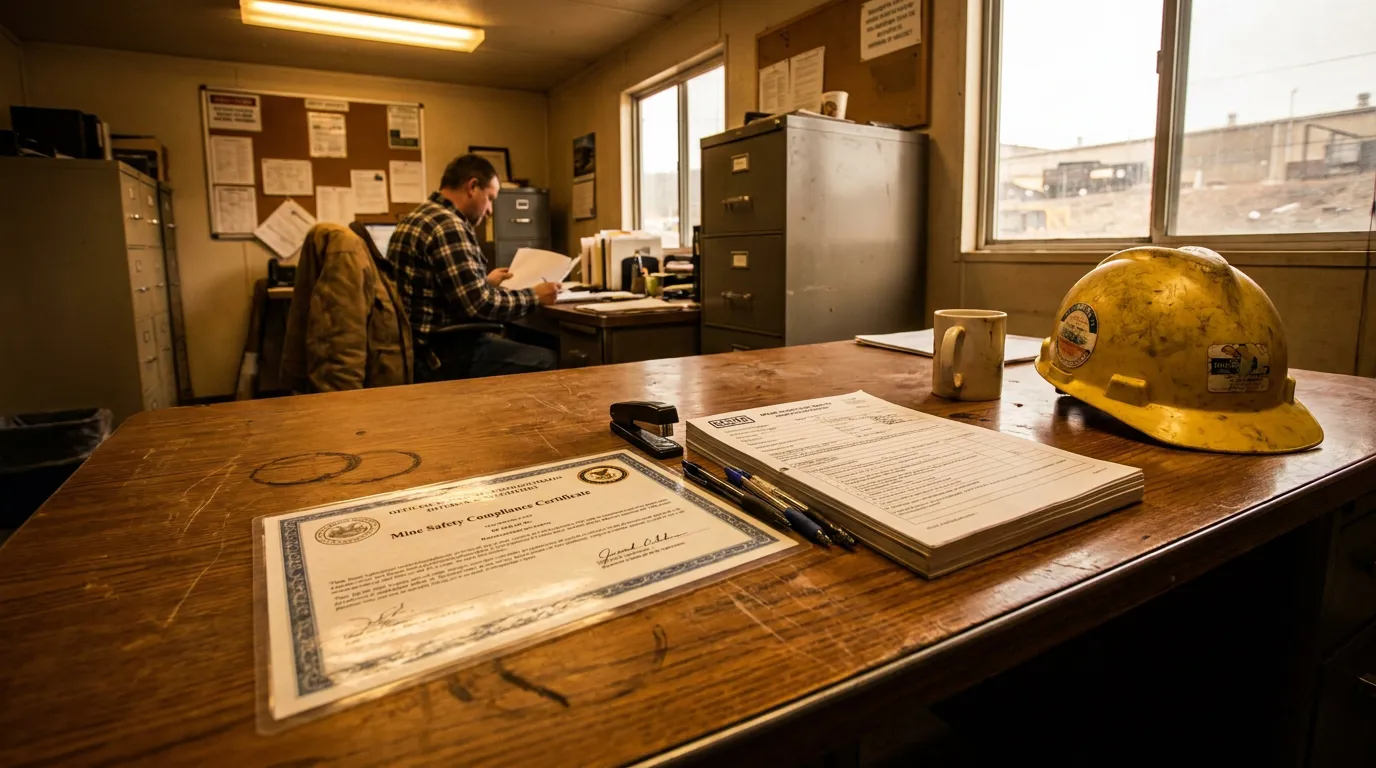
Coal mining accidents frequently involve multiple companies, not just the miner’s direct employer. Underground and surface operations bring together mine operators, independent contractors, subcontractors, equipment makers, and safety inspectors. When several parties share responsibility, West Virginia law provides a framework for spreading fault across each of them.
Under W. Va. Code §55-7-13a(b), fault allocation includes "plaintiffs, defendants and nonparties who proximately caused the damages," so the analysis extends beyond parties named in a lawsuit. This statute governs "any action based on tort or any other legal theory seeking damages for personal injury, property damage, or wrongful death."
Third-Party Liability in Coal Mine Cases
Third-party liability is often the key to full recovery. While workers’ compensation may limit direct claims against an employer, it generally does not shield outside companies whose products or conduct caused the injury. A defective continuous miner, poorly maintained conveyor, or contractor’s unsafe blasting practices can each open the door to a separate negligence claim. To understand when claims can move beyond workers’ compensation, review whether mining accident victims can sue beyond workers’ compensation.
💡 Pro Tip: Preserve everything. Photographs of the scene, witness names, and equipment details can become critical evidence when identifying third-party defendants months later.
How West Virginia’s Comparative Fault System Shapes Your Claim
West Virginia follows a modified comparative fault system that ties each party’s liability to its share of responsibility. Under W. Va. Code §55-7-13a(b), recovery is "predicated upon principles of comparative fault and the liability of each person…shall be allocated to each applicable person in direct proportion to that person’s percentage of fault." You can review the state’s comparative fault statute for complete details. The system requires that total percentages "must equal either zero percent or one hundred percent." Because the system is "modified," an injured miner’s own fault reduces recovery proportionally and bars recovery entirely if the miner’s fault exceeds the combined fault of all other responsible persons under §55-7-13c(c).
Under §55-7-13c(g), fault allocated "to an immune defendant or a defendant whose liability is limited by law may not be allocated to any other defendant." This matters in mining cases where an employer protected by workers’ compensation exclusivity may carry fault that cannot be shifted onto solvent third parties.
Several Liability and Uncollectible Shares
Each defendant is typically responsible only for its own proportional share of damages. Under §55-7-13c(a), "the liability of each defendant for compensatory damages shall be several only and may not be joint," and each defendant is liable only for the amount "allocated to that defendant in direct proportion to that defendant’s percentage of fault." A narrow exception exists where defendants "consciously conspire and deliberately pursue a common plan or design to commit a tortious act."
The law anticipates collection problems. Under §55-7-13c(d), a plaintiff who cannot collect from a liable defendant despite good-faith efforts may move within one year of final judgment to reallocate the uncollectible amount among other liable parties according to their fault percentages, though no reallocation is allowed against a defendant whose fault equals or is less than the plaintiff’s. These several liability provisions make identifying every solvent, at-fault party essential.
💡 Pro Tip: Insurers often try to shift blame onto the injured miner. Avoid giving a recorded statement before speaking with counsel, since early admissions can inflate your assigned percentage of fault.
Holding a Negligent Coal Company Accountable Through Deliberate Intent
West Virginia gives injured miners a route around workers’ compensation exclusivity called a deliberate intent claim. A worker injured where the employer knowingly violates safety laws may file a deliberate intent claim if the case meets all five statutory elements of the test under W. Va. Code §23-4-2(d)(2)(B). Those elements are: (1) a specific unsafe working condition existed presenting a high degree of risk and strong probability of serious injury or death; (2) the employer had actual, specifically proven knowledge of both the condition and the high degree of risk it presented prior to the injury; (3) the condition violated a state or federal safety statute, rule, or regulation, or a commonly accepted and well-known safety standard within the industry; (4) the employer nevertheless intentionally thereafter exposed the employee to the unsafe condition despite that knowledge; and (5) the employee suffered a serious compensable injury or death as a direct and proximate result of that exposure. Recovery is generally limited to damages exceeding workers’ compensation benefits, and noneconomic damages may be subject to statutory limits.
This claim is fact-intensive and courts apply the elements strictly. Establishing management’s actual knowledge often turns on internal safety reports, prior citations, and maintenance records. Each element must be proven, and outcomes depend on the specific facts.
💡 Pro Tip: Federal and state mine safety agencies frequently generate inspection records after serious accidents. These administrative findings can help demonstrate violations that a deliberate intent claim requires.
What a Coal Mining Accident Lawyer Investigates
A coal mining accident lawyer builds a liability case by tracing every duty, breach, and connection to your injury. Investigation typically includes reviewing safety records, interviewing witnesses, examining equipment, and mapping corporate relationships among operators and contractors. Legal terms like negligence, tort, and tortfeasor guide this analysis.
Where an accident is fatal, the analysis shifts to survival and wrongful death principles. West Virginia Code §55-7-8a addresses which causes of action survive the death of the injured party, while wrongful death is governed separately by §55-7-6.
Our attorneys handle serious workplace harm across the state. Learn more on our West Virginia work injury practice page.
Damages Available in a West Virginia Mining Injury Claim
Catastrophic mine injuries carry costs that reach far beyond the emergency room. Full recovery accounts for immediate and long-term financial, physical, and emotional toll. Because claims can be affected by coverage limits and statutory caps, identifying every liable party and insurance source is central to maximizing recovery.
The Full Scope of Your Losses
A well-documented claim addresses each category of harm. Injured miners and their families may pursue:
- Healthcare costs, including emergency care, surgery, rehabilitation, and ongoing future treatment
- Lost wages and diminished earning capacity when injuries prevent return to mine work
- Pain and suffering, emotional distress, and lasting impact on quality of life
Deadlines That Can Make or Break Your Case
Time limits in West Virginia injury cases are strict, and missing one can end an otherwise strong claim. Most personal injury cases are controlled by a two-year statute of limitations. In some instances, the two-year period begins only after the injured party discovers the harm, but courts interpret this discovery rule narrowly.
Different deadlines can govern different claims within the same accident. A civil lawsuit, deliberate intent claim, and administrative safety proceeding may run on separate timelines. A deliberate intent claim also generally requires that a workers’ compensation claim have been filed, unless good cause is shown.
| Claim Type | General Deadline | Key Nuance |
|---|---|---|
| Personal injury (most claims) | Two years | Discovery rule may apply in limited circumstances |
| Reallocation of uncollectible share | One year of final judgment | Limited by defendant’s fault percentage |
| Wrongful death / survival | Governed by §55-7-8a | Facts control which claims survive |
Frequently Asked Questions
-
Can I sue my employer after a coal mining accident in West Virginia?
Generally, workers’ compensation limits direct suits against employers, but you may file a deliberate intent claim if the injury meets all five statutory elements, including a specific unsafe condition that management had actual knowledge of.
-
Who besides my employer might be liable for a mine injury?
Fault can spread among mine operators, contractors, equipment manufacturers, and other nonparties who proximately caused harm under §55-7-13a(b).
-
How long do I have to file a West Virginia mining injury claim?
Most personal injury claims face a two-year statute of limitations, though a discovery rule may apply in limited circumstances.
-
What if a liable company cannot pay its share?
Under §55-7-13c(d), you may move within one year of final judgment to reallocate an uncollectible amount among other liable parties, subject to limits based on fault percentages.
-
What compensation can an injured coal miner pursue?
Recovery may include medical expenses, lost wages, diminished earning capacity, and pain and suffering. Full recovery depends on identifying every liable party and applicable insurance source.
Protecting Your Future After a Catastrophic Mine Injury
Determining who can be held liable after a West Virginia coal mining accident requires examining every party whose negligence contributed to the harm. Between the state’s comparative fault framework, several liability rules, deliberate intent claims, and third-party liability, injured miners often have more options than they realize. Because these questions are governed by statutes like §55-7-13a, §55-7-13c, and §55-7-8a, and because outcomes turn on specific facts, informed legal guidance is decisive in protecting rights and pursuing full compensation.
If you are facing life-altering injuries after a mine accident, the trusted team at Robinette Legal Group PLLC is ready to stand with you. Call 304-594-1800 today or reach out through our contact page to discuss how we can investigate liability and fight for the recovery your family deserves.

Jeffery Robinette was admitted to practice law in 1991 and is licensed in all levels of state and federal trial courts in West Virginia. Mr. Robinette is also licensed in all state and federal appeals courts in West Virginia and the United States Supreme Court. As a National Board Certified Trial Attorney who has handled hundreds of motor vehicle, injury, and construction defect claims and a leading author on insurance claims settlement issues and difficulties in West Virginia, Jeff Robinette is uniquely qualified to represent your best interest.