
Challenging a Disputed Fault Finding After a Morgantown Car Accident
Key Takeaways: West Virginia follows a modified comparative fault system under §55-7-13a, which reduces your compensation based on your percentage of fault and bars recovery entirely if your fault exceeds 50%. A car accident attorney in Morgantown West Virginia can challenge disputed fault findings using traffic violations, witness testimony, and accident reconstruction evidence. The statute of limitations for personal injury claims is two years from the crash date, requiring prompt action to preserve evidence and protect your compensation rights.
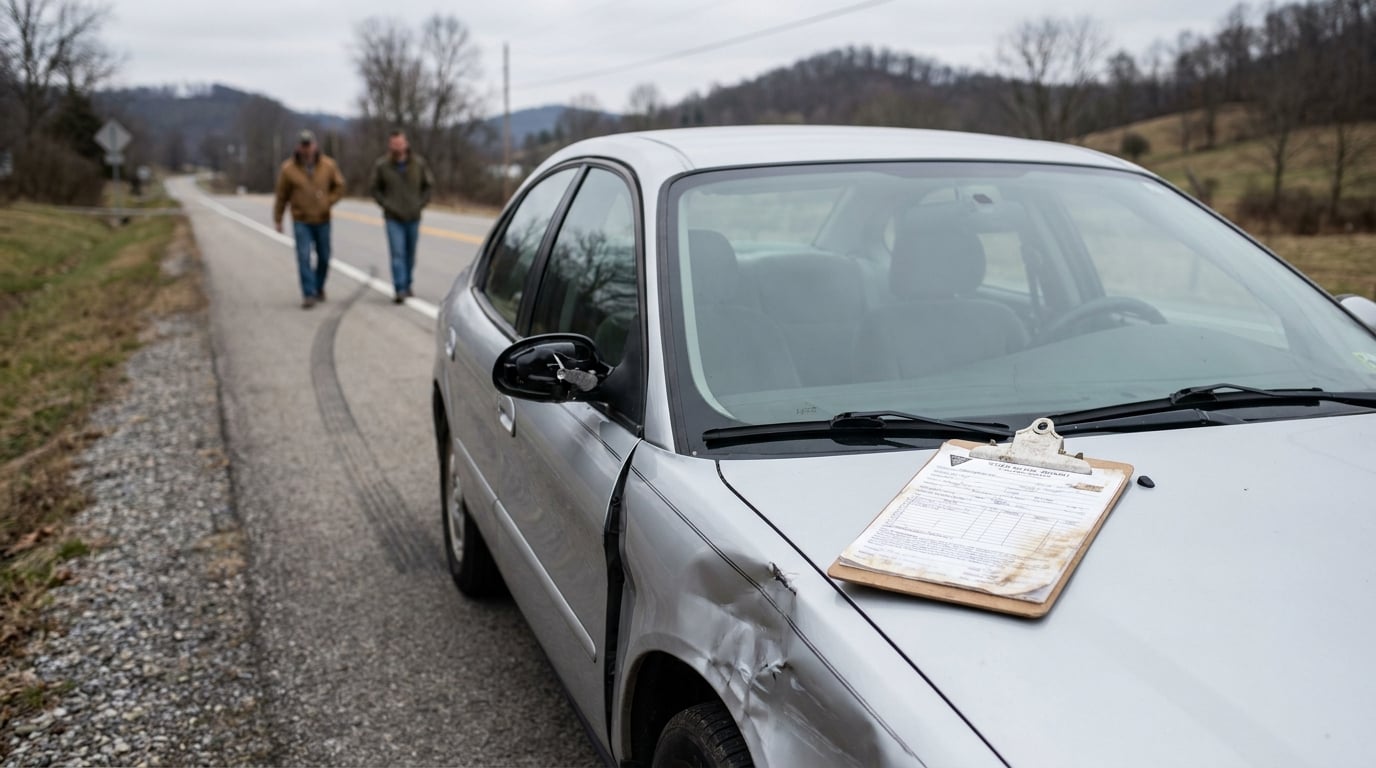
Yes, a Morgantown car accident attorney can challenge a disputed fault finding, and doing so may be essential to recovering fair compensation. After a serious crash in Morgantown, you may discover that a police report, insurance adjuster, or another driver has assigned you partial or full blame. That fault determination is not final. Under West Virginia’s comparative fault framework, your percentage of fault directly controls your compensation for medical bills, lost wages, and pain and suffering. If the fault finding is wrong or inflated, you could lose thousands of dollars in rightful damages. An experienced Morgantown car accident lawyer at Robinette Legal Group PLLC understands how to gather evidence, build compelling cases, and challenge inaccurate fault allocations that threaten your recovery.
If you suffered serious injuries and believe fault was improperly assigned, Robinette Legal Group PLLC is ready to fight for your compensation. Call 304-501-5753 or reach out online today.
How West Virginia’s Modified Comparative Fault System Works
West Virginia uses a modified comparative fault system that determines compensation based on each party’s share of responsibility. Under §55-7-13a, comparative fault is "the degree to which the fault of a person was a proximate cause of an alleged personal injury or death or damage to property, expressed as a percentage." The trier of fact assigns a specific percentage of blame to every person involved.
The critical threshold is the 50% bar. West Virginia’s rule bars plaintiffs who are more than 50% at fault from recovering any compensation. If your fault is equal to or less than the combined fault of all other responsible parties, your damages are reduced proportionally. For example, if you are 30% at fault with $500,000 in damages, your recovery would be $350,000. All fault percentages must equal zero or one hundred percent under §55-7-13a(c).
Why Every Percentage Point of Fault Matters
In serious injury cases involving surgery, rehabilitation, and long-term disability, even small shifts in fault allocation can mean tens of thousands of dollars. If an insurance company successfully argues you were 40% responsible instead of 20%, a $400,000 claim drops from $320,000 to $240,000. That $80,000 difference could cover years of physical therapy or replace months of lost income. This is why challenging inflated fault findings is critical for injured victims facing mounting medical costs.
💡 Pro Tip: Keep a detailed journal of your injuries, pain levels, and daily limitations immediately after the accident. This documentation helps your attorney demonstrate the full impact when negotiating against insurance company fault arguments in West Virginia.
Evidence Your Attorney Can Use to Challenge Fault in a Car Accident
Building a strong case against disputed fault requires gathering multiple types of evidence that reveal the true story. Police reports carry weight but are not binding legal determinations. Officers may arrive after the fact, rely on limited witness accounts, or make assessment errors. A car accident attorney in Morgantown West Virginia can investigate beyond the initial report to uncover supporting evidence.
Types of Evidence That Can Shift Fault Allocation
- Surveillance and dashcam footage showing the other driver’s actions before impact
- Witness statements from bystanders, passengers, or other drivers who saw the collision
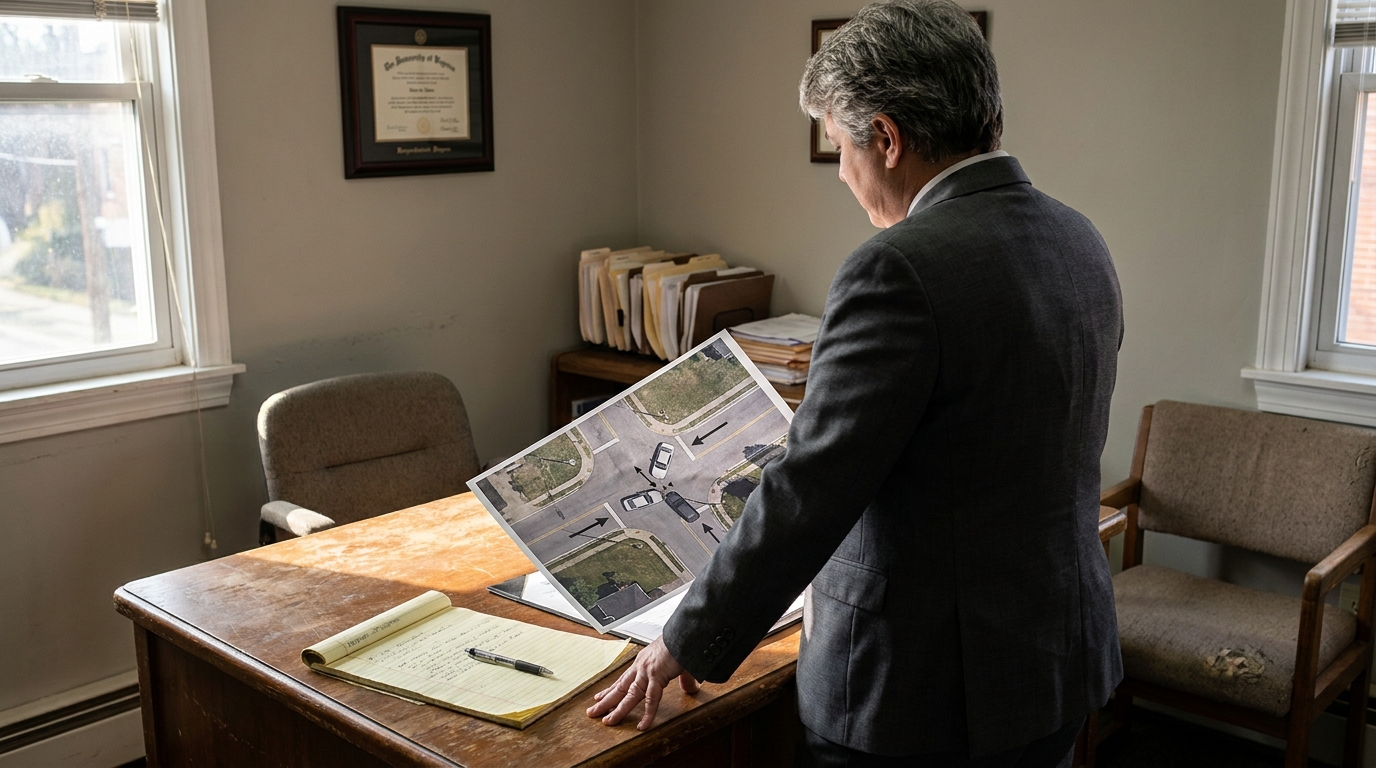
- Accident reconstruction analysis using vehicle damage patterns, skid marks, and road conditions
- Cell phone records proving the other driver was distracted
- Medical records documenting injury mechanics consistent with your account
💡 Pro Tip: If physically able after a crash, photograph the scene, vehicle positions, traffic signals, road conditions, and visible injuries before vehicles are moved. This evidence is invaluable when disputing a police report.
How Traffic Violations Support a Negligence Claim
Violations of West Virginia’s traffic statutes under Chapter 17C can serve as powerful evidence of negligence per se, which means the violation itself may establish a breach of duty. Chapter 17C encompasses rules governing right-of-way, speed restrictions, and accident reporting obligations. If the other driver ran a red light, exceeded the speed limit, or failed to yield, your attorney can point to the specific statutory duty violated and argue it proximately caused your injuries. This is particularly effective when challenging fault findings that improperly attribute blame to you.
Understanding Liability Allocation Among Multiple Parties
West Virginia law generally makes each defendant’s liability several, not joint, meaning each party pays only their proportionate share. Under §55-7-13C(a), each defendant is liable only for compensatory damages allocated in direct proportion to their percentage of fault. This distinction matters in multi-vehicle accidents or crashes involving multiple negligent parties.
| Liability Type | When It Applies | What It Means for You |
|---|---|---|
| Several Liability (Default) | Most car accident cases | Each defendant pays only their percentage share |
| Joint and Several Liability | DUI crashes, criminal conduct, illegal hazardous waste disposal, or conscious conspiracy | At-fault party can be held responsible for full damages |
| Reallocation of Uncollectible Shares | A liable defendant cannot pay | Plaintiff may move to reallocate among other liable parties within one year |
Joint and several liability still applies in specific circumstances particularly relevant to crash victims. Under §55-7-13C(h), defendants whose conduct constitutes driving under the influence, criminal conduct, or illegal hazardous waste disposal that proximately caused damages can be held jointly and severally liable. Additionally, under §55-7-13C(a), joint liability may be imposed on defendants who consciously conspire and deliberately pursue a common plan to commit a tortious act. These protections ensure a single negligent party can be held responsible for the full amount, particularly important for victims hit by drunk drivers.
💡 Pro Tip: If a liable defendant’s share is uncollectible, you may have the right under §55-7-13C(d) to move for reallocation among other liable parties. An attorney can help identify this option and act within the one-year deadline.
Why Insurance Companies Dispute Fault and How to Respond
Insurance companies have a financial incentive to assign you as much fault as possible, because every percentage point reduces what they owe. Adjusters may use recorded statements, cherry-picked evidence, or selective police report interpretations to argue you contributed to the crash. They may suggest you were speeding, failed to brake in time, or were inattentive, even when evidence doesn’t support these claims.
The most effective response is letting an attorney handle insurance company communications from the start. An experienced attorney can identify when insurers inflate your fault percentage, counter their arguments with evidence, and pursue the full spectrum of damages including emergency care costs, surgical expenses, ongoing rehabilitation, lost wages, diminished earning capacity, and pain and suffering.
💡 Pro Tip: Avoid giving recorded statements to the other driver’s insurance company before consulting an attorney. Adjusters are trained to elicit responses that increase your fault percentage.
The Two-Year Filing Deadline You Cannot Afford to Miss
West Virginia has a two-year statute of limitations for personal injury cases, including auto accidents, beginning on the accident date. If you fail to file within this window, you may lose your right to recover compensation entirely. Courts generally interpret tolling exceptions narrowly, so don’t assume additional time without consulting an attorney.
Acting quickly also preserves evidence that may otherwise disappear. Surveillance footage gets overwritten, witness memories fade, and vehicle damage may be repaired before documentation. The sooner you build your case, the stronger your position when challenging disputed fault. To understand how fault is determined, reach out to a car accident attorney in Morgantown West Virginia for prompt evaluation.
What a Serious Injury Crash Claim in Morgantown May Include
Victims of serious car accidents often face losses extending far beyond the initial hospital visit. When another party’s negligence causes life-changing injuries, West Virginia law allows compensation for emergency medical treatment, surgery, inpatient rehabilitation, years of follow-up care, lost wages during recovery, diminished future earning capacity, and physical pain, emotional distress, and lasting quality of life impacts.
Even in high-value claims, recovery may be limited by the at-fault party’s insurance policy maximum. An attorney can investigate additional compensation sources, such as underinsured motorist (UIM) coverage on your policy or third-party liability claims. Robinette Legal Group PLLC works to identify every available path to maximum recovery.
💡 Pro Tip: Request copies of your auto insurance policy and review it for UIM coverage. Many crash victims don’t realize they carry coverage that could supplement recovery when the at-fault driver’s policy limits are insufficient.
Frequently Asked Questions
1. Can I still recover compensation if I was partially at fault for the accident?
Yes, in many cases. Under West Virginia’s modified comparative fault rule in §55-7-13a, your fault doesn’t bar recovery unless it exceeds the combined fault of all other responsible parties. If at or below that threshold, your damages are reduced proportionally by your percentage of responsibility.
2. Is the police report the final word on who caused the crash?
No. A police report is one piece of evidence, not a binding legal determination. Your attorney can challenge the report’s conclusions using witness testimony, video footage, accident reconstruction, and other evidence.
3. What happens if the at-fault driver was drunk?
Under §55-7-13C(h)(1), defendants whose conduct constitutes driving under the influence may be held jointly and severally liable, meaning the drunk driver can potentially be held responsible for the full amount of your damages.
4. How long do I have to file a car accident injury claim in West Virginia?
West Virginia imposes a two-year statute of limitations for personal injury claims, generally beginning on the accident date. Courts interpret exceptions narrowly, so prompt action is important.
Protect Your Right to Full Compensation After a Morgantown Car Accident
A disputed fault finding doesn’t have to define your serious injury claim outcome. West Virginia’s comparative fault system gives injured victims the opportunity to challenge inaccurate blame assignments, but doing so requires strong evidence, thorough understanding of the law, and timely action within the two-year filing deadline. Whether facing inflated fault allegations, insurance pushback, or uncertainty about liability division, having a trusted legal team in your corner can make a meaningful difference.
Robinette Legal Group PLLC has the proven track record and dedication to fight for the compensation you deserve after a serious crash. Call 304-501-5753 today or contact us now to schedule a consultation and learn how we can protect your rights.

Jeffery Robinette was admitted to practice law in 1991 and is licensed in all levels of state and federal trial courts in West Virginia. Mr. Robinette is also licensed in all state and federal appeals courts in West Virginia and the United States Supreme Court. As a National Board Certified Trial Attorney who has handled hundreds of motor vehicle, injury, and construction defect claims and a leading author on insurance claims settlement issues and difficulties in West Virginia, Jeff Robinette is uniquely qualified to represent your best interest.