
Understanding West Virginia’s Fault Rules and How to Sue a Trucking Company
Key Takeaways: Building a strong case against a trucking company in West Virginia requires understanding modified comparative fault rules, identifying all liable parties, and preserving critical evidence. West Virginia’s several liability framework means each defendant pays only its proportionate share of fault, making thorough investigation essential. Federal insurance minimums set in 1980 often fall short of covering catastrophic injuries, requiring pursuit of claims beyond policy limits. Key evidence including electronic logging devices, safety records, and regulatory violations can demonstrate negligence. The trucking industry is actively reshaping the legal landscape through tort reform. Acting quickly to send spoliation letters, consult an attorney, and file within the statute of limitations is critical.
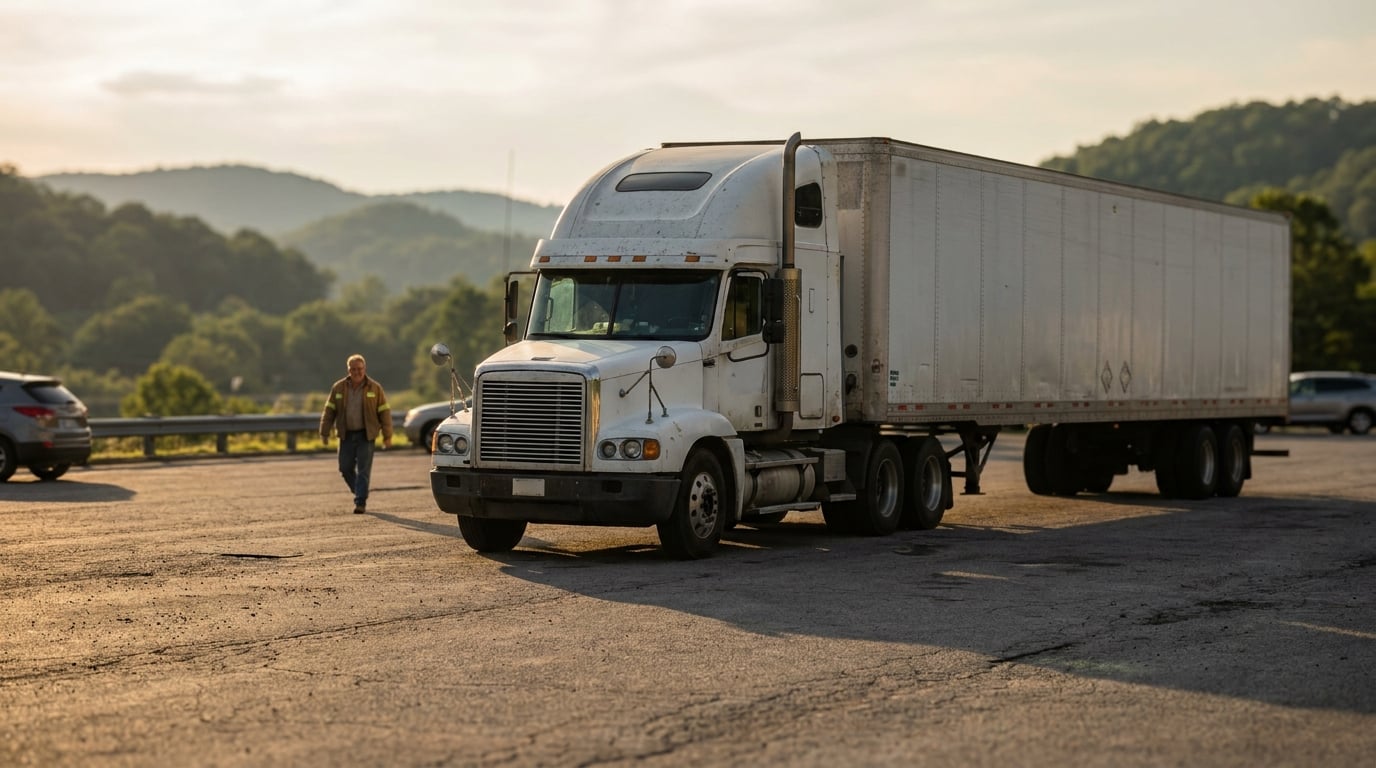
If you or a loved one suffered serious injuries in a commercial truck crash, you may be wondering how to sue a trucking company and what it takes to build a winning case under West Virginia law. Trucking accident claims are far more complex than typical car accidents. Multiple parties, federal regulations, corporate legal teams, and evolving state laws create significant challenges. More than 5,000 people die annually in crashes with large trucks nationwide, a figure that has risen approximately 25 to 30 percent over the past decade, or approximately 87 to 89 percent since 2009, a roughly 15-year period. Understanding the legal landscape before filing can make the difference between full compensation and falling short.
Robinette Legal Group PLLC has a proven track record of fighting for truck crash victims across West Virginia. Call 304-594-1800 or reach out to our team today for a free consultation.
Understanding West Virginia’s Fault Rules and How to Sue a Trucking Company
West Virginia follows a modified comparative fault standard under WV Code §55-7-13a, essential for pursuing a trucking company lawsuit. Under §55-7-13C(c), a plaintiff’s fault does not bar recovery unless that fault exceeds the combined fault of all other responsible persons. If you are found partially at fault, your compensation is reduced by your percentage of responsibility, but you can still recover.
West Virginia treats liability for compensatory damages as several only, not joint. Under WV Code §55-7-13C, each defendant is liable only for compensatory damages allocated in direct proportion to that defendant’s percentage of fault. When you sue a trucking company alongside other defendants, each party pays only its proportionate share. This makes accurate fault allocation central to every truck accident claim.
💡 Pro Tip: Because liability is several in most situations, your attorney must identify every potentially liable party early, including the driver, carrier, vehicle manufacturer, maintenance contractors, and cargo loaders, to maximize recovery.
Exceptions That Restore Joint and Several Liability
West Virginia law carves out important exceptions where joint and several liability still applies. Under §55-7-13C(h)(1), a defendant whose conduct constitutes driving under the influence faces joint and several liability for the entire judgment. If a truck driver was impaired, that defendant may be held responsible for the full amount rather than only a proportionate share.
Criminal conduct that proximately caused the plaintiff’s injuries also triggers joint and several liability under §55-7-13C(h)(2). Certain trucking violations, such as egregious hours-of-service falsification or reckless operation, may constitute criminal offenses. Additionally, §55-7-13C(a) provides that joint liability may be imposed on defendants who consciously conspire to commit a tortious act, which could apply when a carrier and driver work together to falsify logbooks or conceal safety violations.
Why the Trucking Company’s Insurance May Not Be Enough
Federal law requires most truckers hauling general freight across state lines to carry only $750,000 in liability insurance, a minimum established in 1980 and never meaningfully updated. Lifetime medical costs after a serious crash involving spinal cord injuries, traumatic brain injuries, or multiple surgeries can quickly exhaust that amount. Emergency care, hospitalization, rehabilitation, and future treatment costs alone may surpass policy limits before accounting for lost wages or pain and suffering.
Filing a lawsuit against the trucking company itself, rather than relying solely on an insurance claim, is often essential for victims of life-altering injuries. Additional recovery sources may include the carrier’s excess policies, the vehicle manufacturer, third-party maintenance providers, or your own underinsured motorist coverage. A thorough truck accident attorney in WV will investigate every avenue to ensure you are not left covering costs caused by someone else’s negligence.
💡 Pro Tip: Request a certified copy of the trucking company’s insurance policy early. Carriers sometimes hold multiple layers of coverage not immediately obvious from standard claims filing.
Key Evidence That Strengthens Your Truck Crash Legal Case in WV
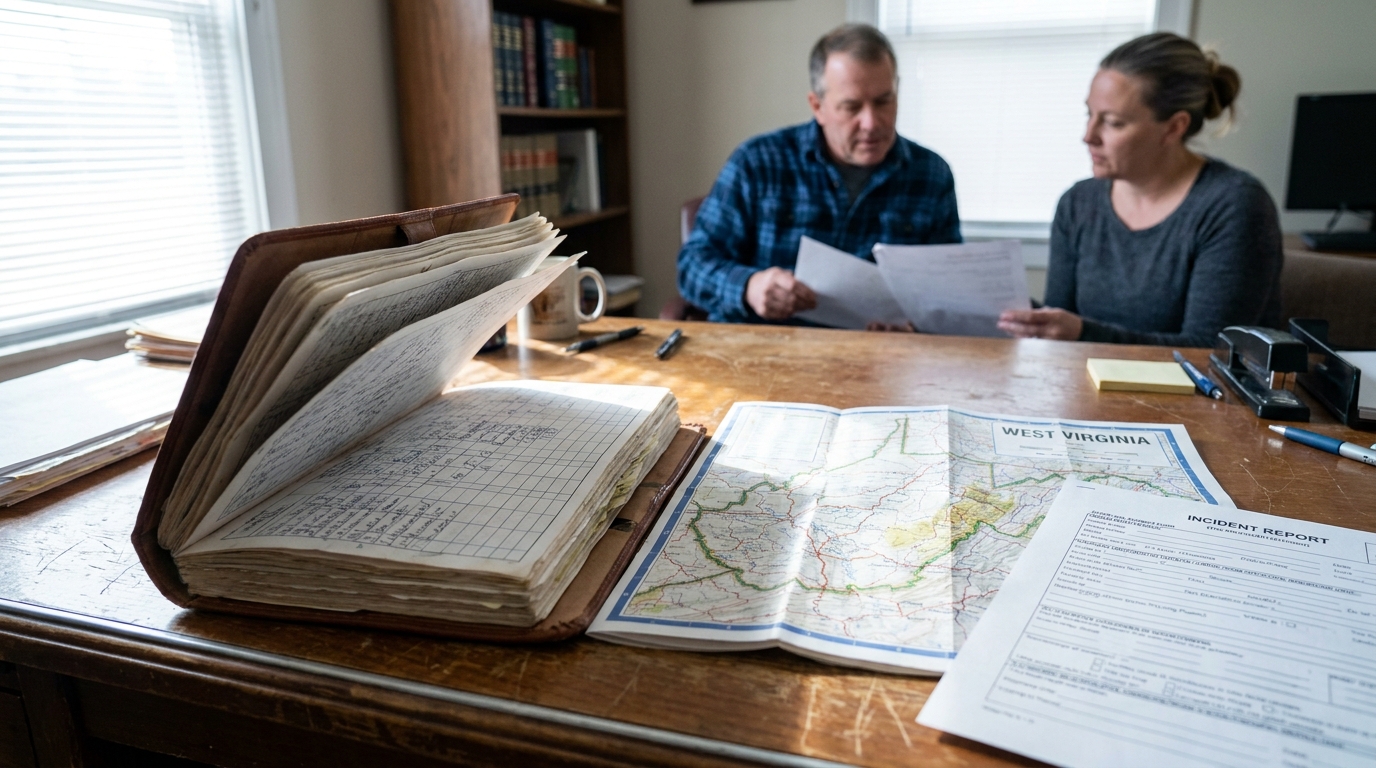
Building a strong case starts with preserving and obtaining evidence before the trucking company can alter or destroy it. Commercial trucks generate extensive records that do not exist in ordinary car accident cases. Electronic logging devices, onboard event data recorders, GPS tracking, driver qualification files, drug and alcohol testing records, inspection reports, and dispatch communications all provide critical insight into negligence.
The Company’s Safety Record and Past Accidents
One powerful litigation strategy involves introducing evidence of the trucking company’s broader safety record. Investigative reporting has revealed how plaintiff attorneys have used evidence of a company’s pattern of prior accidents to show crashes were a systemic problem rather than isolated incidents. The trucking industry is actively lobbying for state-level tort reform laws to restrict this evidence, cap damages, and restructure trials to benefit defendants.
💡 Pro Tip: Send a spoliation letter to the trucking company and its insurer immediately after the crash. This puts them on legal notice to preserve all electronic data, driver files, and maintenance records. Delay gives carriers time to overwrite or lose critical evidence.
Proving Negligence Through Regulatory Violations
Federal Motor Carrier Safety Administration regulations establish detailed duties that trucking companies and drivers must follow, and any violation can serve as strong evidence of negligence. Hours-of-service rules, vehicle maintenance standards, driver training requirements, and cargo securement regulations create a baseline of care. When a carrier or driver breaches these standards, it strengthens the plaintiff’s ability to prove negligence in a truck accident case.
How West Virginia’s Tort Reform Laws Affect Your Claim
West Virginia has passed tort reform measures backed by the trucking industry that directly impact your ability to recover full compensation. The state repealed rules preventing defense lawyers from introducing seatbelt evidence against plaintiffs. If you were not wearing a seatbelt at the crash time, the defense may use that fact to argue your injuries were partially your own fault, potentially reducing your recovery under comparative fault.
The trucking industry’s lobbying extends beyond seatbelt evidence. The American Trucking Associations are running a coordinated campaign to pass state-level laws limiting evidence, capping damages, and creating bifurcated trial structures favorable to defendants. Holding trucking companies financially liable incentivizes safety measures, and efforts to limit liability primarily aim at reducing what companies pay.
| Legal Factor | What It Means for Your Case |
|---|---|
| Modified comparative fault (§55-7-13a) | You can recover unless your fault exceeds all other parties’ combined fault |
| Several liability (§55-7-13C(a)) | Each defendant pays only their proportionate share of fault |
| DUI exception (§55-7-13C(h)(1)) | Impaired defendant faces full joint and several liability for the judgment |
| Criminal conduct exception (§55-7-13C(h)(2)) | Criminal violations by the defendant restore joint and several liability |
| Seatbelt evidence | Defense may introduce seatbelt non-use to reduce your recovery |
| Reallocation of uncollectible shares (§55-7-13C(d)) | You may seek reallocation from other liable parties if one cannot pay |
Employer Liability and Holding the Carrier Accountable
West Virginia law specifically addresses liability for employee negligence in actions involving commercial motor vehicles under WV Code §55-7-32. This statute is directly relevant when the at-fault driver was operating within the scope of employment for a carrier. Trucking companies have a legal duty to hire qualified drivers, maintain vehicles, enforce federal safety regulations, and supervise operations. When a carrier cuts corners on these obligations, victims may hold the company itself liable.
If a defendant’s share of the judgment is uncollectible, West Virginia law provides a safety net. Under §55-7-13C(d), a plaintiff who through good-faith efforts cannot collect from a liable defendant may move for reallocation of the uncollectible amount among other liable parties. This motion must be filed within one year after judgment becomes final. This provision is particularly important in trucking cases involving multiple defendants where one party may lack sufficient assets or insurance.
💡 Pro Tip: Do not assume the truck driver and trucking company are the same defendant. Carriers, brokers, lessors, and independent contractor arrangements can create complex liability questions. Your attorney should investigate the corporate structure to identify every responsible entity.
The Full Scope of Damages in a Serious Truck Accident
Victims of catastrophic truck crashes in West Virginia may be entitled to compensation reflecting the true, lifelong impact of their injuries. This includes emergency medical care, surgeries, hospitalization, physical therapy, and all future treatment costs. Lost wages and diminished future earning capacity are compensable. Pain and suffering, emotional distress, loss of enjoyment of life, and relationship impacts all factor into full damages.
In wrongful death cases, surviving family members may pursue claims for their own losses, including loss of financial support, companionship, and guidance. Recoverable damages depend on injury severity, liability evidence strength, and available insurance and assets. Thorough preparation and aggressive advocacy significantly affect potential recovery.
💡 Pro Tip: Keep a detailed personal journal documenting pain levels, emotional state, daily limitations, and missed activities after the crash. This contemporaneous evidence can powerfully illustrate non-economic damages that medical records alone do not capture.
Frequently Asked Questions
1. Can I still recover compensation if I was partially at fault for the truck accident?
Yes, in most circumstances. Under West Virginia’s modified comparative fault rule in §55-7-13C(c), you can recover as long as your fault is not greater than the combined fault of all other responsible persons. Your compensation will be reduced by your percentage of fault, but partial responsibility does not automatically bar your claim.
2. What happens if the trucking company’s insurance does not cover all of my damages?
You may have additional options. Federal law only requires $750,000 in liability coverage for most interstate carriers, and serious injuries often exceed that amount. Your attorney can investigate whether the carrier holds excess policies, whether other parties share liability, and whether your own underinsured motorist coverage applies.
3. How long do I have to file a truck accident lawsuit in West Virginia?
West Virginia generally imposes a two-year statute of limitations for personal injury claims, though certain circumstances may affect the deadline. It is critical to consult an attorney promptly. Delay can also result in lost evidence, particularly electronic data from the truck.
4. Can the trucking company be held liable if the driver was an independent contractor?
Potentially, yes. West Virginia law under §55-7-32 addresses liability for employee negligence involving commercial motor vehicles. Even when a driver is classified as an independent contractor, courts may examine the actual degree of control the carrier exercised.
Protect Your Rights After a Devastating Truck Crash
A serious collision with a commercial truck can change every aspect of your life in an instant. West Virginia’s fault allocation rules, evolving tort reform landscape, and the trucking industry’s aggressive defense strategies all make experienced legal representation critical to pursuing the compensation you deserve. Understanding how to sue a trucking company starts with knowing the law, preserving evidence, and identifying every responsible party before time runs out.
If you or a family member suffered life-changing injuries in a truck crash, Robinette Legal Group PLLC is ready to fight for you. Call 304-594-1800 or contact us now for a free, no-obligation consultation about your case.

Jeffery Robinette was admitted to practice law in 1991 and is licensed in all levels of state and federal trial courts in West Virginia. Mr. Robinette is also licensed in all state and federal appeals courts in West Virginia and the United States Supreme Court. As a National Board Certified Trial Attorney who has handled hundreds of motor vehicle, injury, and construction defect claims and a leading author on insurance claims settlement issues and difficulties in West Virginia, Jeff Robinette is uniquely qualified to represent your best interest.