

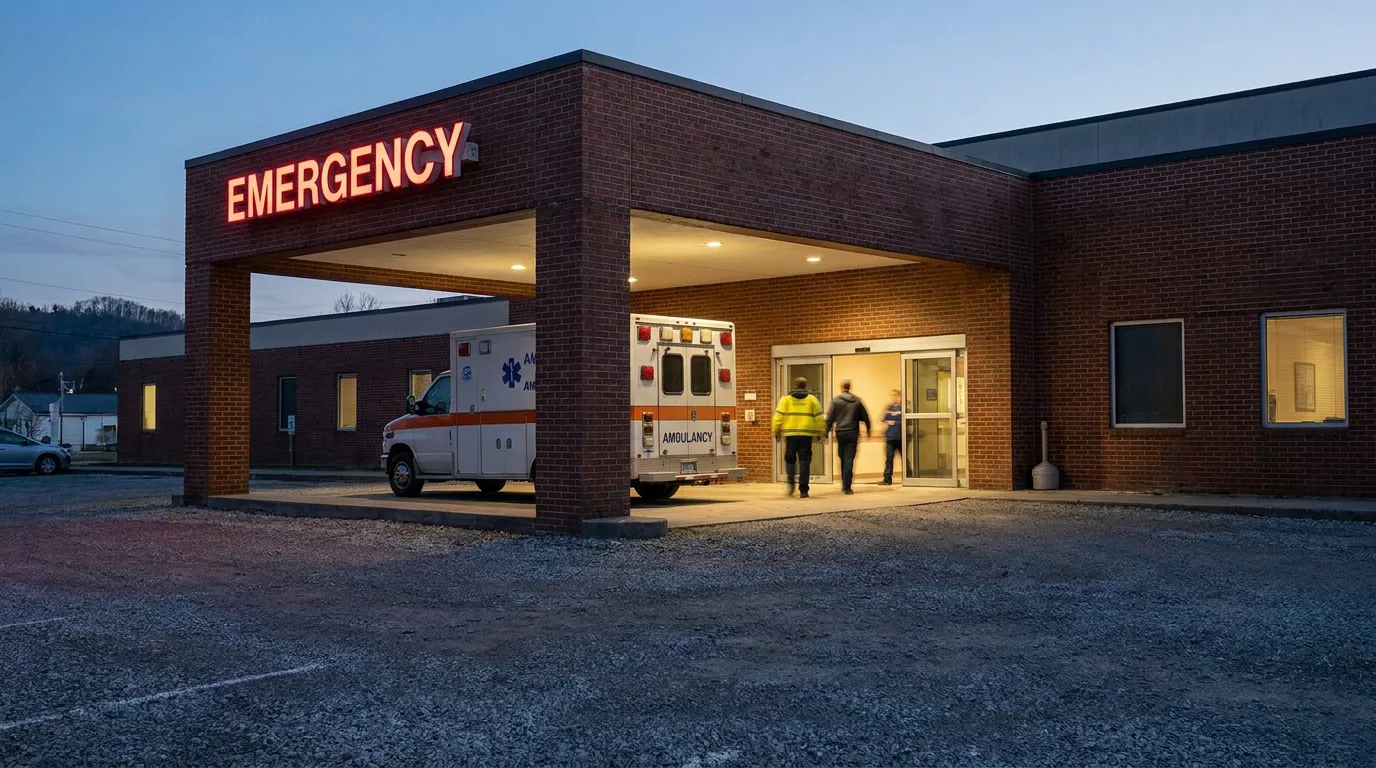
Understanding How West Virginia Law Defines a True Medical Emergency
Key Takeaways: A bona fide emergency medical condition in West Virginia turns on the prudent layperson standard: whether a person without medical training who draws on practical experience would believe, based on symptoms present at the time, that the absence of immediate medical attention could seriously jeopardize health, cause serious impairment to bodily functions, or cause serious dysfunction of any bodily organ or part. W. Va. Code §§ 33-15-21 and 33-16-3I generally bar insurers subject to those statutes from denying emergency claims solely because the final diagnosis proved non-emergent, and federal EMTALA rules at 42 CFR 489.24 require Medicare-participating hospitals to screen every patient presenting to a dedicated emergency department. Psychiatric crises and obstetric emergencies are expressly included in the federal definition. This logic informs emergency care evaluations, but the malpractice standard is separate: under W. Va. Code § 55-7B-9c, claims arising from good-faith emergency care rendered at a designated trauma center are subject to a cap on total civil damages recoverable. Insurance disputes and malpractice lawsuits remain separate tracks with different burdens, and both depend heavily on triage notes, vital signs, and timestamps. Procedural hurdles including pre-suit notice, a certificate of merit, and strict filing deadlines make early legal consultation important.
A bona fide emergency medical condition in West Virginia is generally defined by what a reasonable person would have believed when symptoms appeared, not by the final diagnosis. State law describes an emergency medical condition as one manifesting acute symptoms of sufficient severity, including severe pain, such that a prudent layperson, defined as a person without medical training who draws on practical experience, could reasonably expect that the absence of immediate medical attention would result in serious jeopardy to health, serious impairment to bodily functions, or serious dysfunction of any bodily organ or part. This matters greatly for Morgantown families facing both an insurer’s coverage denial and a hospital’s failure to properly evaluate a loved one in the ER.
If you or a family member suffered catastrophic harm after an emergency room visit, the team at Robinette Legal Group PLLC is prepared to review what happened. Call 304-501-5753 or contact us now to discuss your situation.
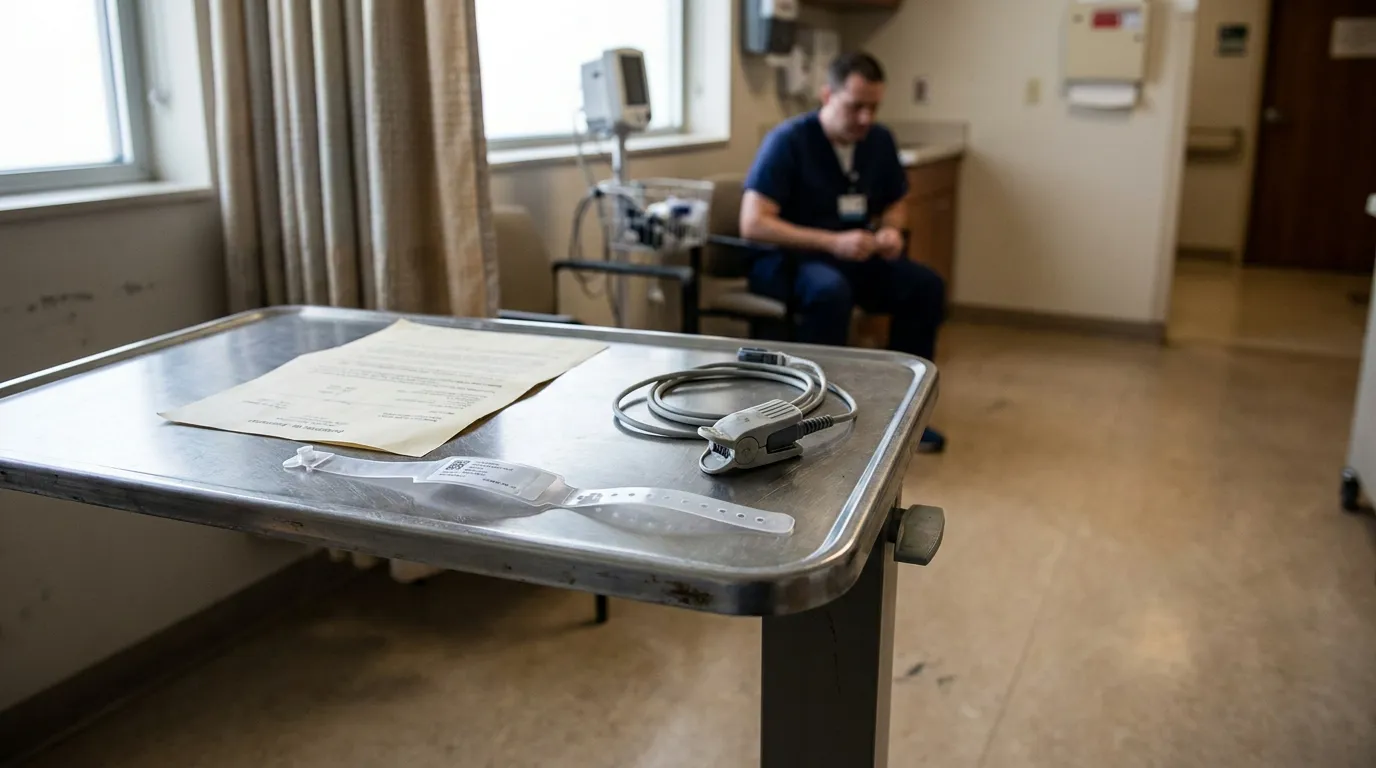
Why the "Prudent Layperson" Standard Protects Patients
West Virginia adopted the prudent layperson standard because patients are not physicians. W. Va. Code §§ 33-15-21 and 33-16-3I require insurers subject to those statutes to judge whether a condition qualifies as an emergency based on what a person without medical training who draws on practical experience would believe at the time, not with hindsight. W. Va. Code §§ 33-15-21 and 33-16-3I also limit an insurer’s ability to deny or reduce payment for emergency services solely because the final diagnosis turns out non-emergent, provided the presenting symptoms reasonably suggested an emergency. Self-funded employer plans, however, are generally governed by ERISA rather than state insurance law.
This protection exists because emergency symptoms are inherently ambiguous. Crushing chest pain may signal a heart attack or a panic attack; a sudden severe headache may be a hemorrhage or a migraine. A patient who waits at home to find out which one it is may not survive the answer, the exact outcome West Virginia’s ER law framework was written to prevent.
Related reasoning informs how ER care is evaluated, though the malpractice test is distinct. If presenting symptoms reasonably signaled a life-threatening condition, providers generally owed a duty to screen and stabilize accordingly. Failure to do so, when it causes serious injury, may support a malpractice claim, but liability is measured against the medical standard of care rather than the insurance standard, and remains subject to West Virginia’s procedural and evidentiary requirements.
The Federal Baseline That Shapes Every Emergency Department Visit
Federal law sets a floor that Medicare-participating hospital ERs in Morgantown must meet. The EMTALA screening obligations rule, published at 68 FR 53222 and codified at 42 CFR 489.24, clarifies that whenever an individual presents to a dedicated emergency department requesting treatment, the hospital must provide an appropriate medical screening examination to determine whether an emergency medical condition exists. This is often the legal starting point for evaluating an ER claim, though EMTALA creates a civil remedy against hospitals rather than individual physicians, and is not a general federal malpractice statute.
The federal definition tracks the same acute-symptom language used in West Virginia. Under 42 U.S.C. § 1395dd(e)(1), an emergency medical condition manifests through acute symptoms of sufficient severity, including severe pain, such that the absence of immediate attention could reasonably be expected to place health in serious jeopardy or cause serious impairment or organ dysfunction.
Psychiatric Crises and Obstetric Emergencies Count
The federal definition expressly reaches psychiatric disturbances under 42 U.S.C. § 1395dd(e)(1)(A) and the accompanying regulations at 42 CFR 489.24, and, under 42 U.S.C. § 1395dd(e)(1)(B), the condition of a pregnant woman having contractions where there is inadequate time for a safe transfer or where transfer may threaten the woman or unborn child. Families turned away during a mental health crisis, or whose obstetric emergency was minimized at triage, should understand that federal law does not treat those presentations as lesser.
Presenting Symptoms Control, Not the Discharge Diagnosis
The screening obligation is triggered by what the patient presents with, not by what the chart later says. The 2003 final rule’s preamble indicates the screening duty arises from the request for examination and presenting symptoms, not a retrospective diagnosis. When a hospital defends a claim by pointing to a benign final diagnosis, that argument may misstate the analytical framework; courts evaluating EMTALA claims typically ask whether the hospital applied its own screening procedures uniformly.
Emergency Room Malpractice: Damages Caps in West Virginia
West Virginia applies specific damages limitations to certain emergency care claims. Under W. Va. Code § 55-7B-9c, when a patient enters a health care facility designated as a trauma center and alleged negligence arises from good-faith emergency care, the total amount of civil damages recoverable is capped, not exceeding $500,000 per occurrence, adjusted for inflation. This cap does not apply if the provider’s conduct was willful, wanton, or reckless. Whether this cap governs a particular case depends on how the care and facility are characterized, a fact-sensitive determination courts may resolve differently.
This is why documentation of the presenting complaint matters so much. Triage notes, vital signs, timestamps, and the patient’s own description of symptoms often influence how the encounter is evaluated. Building a serious ER claim generally requires qualified medical testimony from a provider meeting West Virginia’s expert qualification requirements.
| Legal Question | Governing Authority | What It Controls |
|---|---|---|
| Was it a bona fide emergency? | W. Va. Code §§ 33-15-21, 33-16-3I | Prudent layperson standard for coverage |
| Was screening required? | 42 CFR 489.24; 68 FR 53222 | Hospital duty upon ER presentation |
| Did the insurer act improperly? | W. Va. Code § 33-11-4(9) | Unfair claims settlement practices |
| Was the standard of care breached? | W. Va. Code §§ 55-7B-3, 55-7B-9c; expert testimony | Duty, breach, causation, and applicable damages cap |
💡 Pro Tip: Request a complete copy of the ER record, including triage notes and nursing flow sheets, rather than only the discharge summary, which rarely captures what the patient actually reported on arrival.
When Insurers Get the Emergency Determination Wrong
Insurers sometimes downgrade or deny emergency claims by asserting the condition was not truly emergent. W. Va. Code § 33-11-4(9) prohibits unfair claims settlement practices, including misrepresenting policy provisions and failing to adopt reasonable standards for prompt investigation of claims. These provisions may support a regulatory complaint to the Insurance Commissioner, and in some first-party situations a common law bad faith claim, though West Virginia law does not provide a private statutory cause of action to third-party claimants under the Unfair Trade Practices Act.
Article 11 of Chapter 33 governs insurer conduct statewide, including emergency care claims arising in Morgantown. W. Va. Code § 33-11-6 addresses the Insurance Commissioner’s enforcement authority, including cease and desist orders and penalties, while prompt investigation obligations appear in § 33-11-4(9). Separately, W. Va. C.S.R. § 114-14-1 et seq. sets regulatory standards for fair claims settlement practices applicable to ER claims.
It’s important to keep these two tracks distinct. An insurance coverage dispute and a medical malpractice lawsuit are separate proceedings with separate standards; a favorable coverage outcome does not establish negligence, and an insurer’s denial does not mean the ER met the standard of care.
The Damages at Stake in a Serious ER Negligence Case
When an emergency department fails to recognize a genuine emergency, the consequences can be permanent. Missed strokes, undiagnosed heart attacks, unrecognized sepsis, and overlooked internal bleeding can leave a person with lifelong disability or take a life entirely. Families may pursue recovery for a range of harms, subject to West Virginia’s statutory cap on noneconomic damages under W. Va. Code § 55-7B-8, adjusted for inflation and set higher in wrongful death or catastrophic injury cases.
Compensation in a serious ER claim may include:
- Substantial healthcare costs, including emergency treatment, surgery, ICU care, rehabilitation, and future medical needs
- Lost wages and diminished earning capacity
- Pain and suffering, emotional distress, and lasting impact on quality of life
- Home modifications, assistive equipment, and long-term attendant care where medically necessary
Available insurance coverage can also shape practical recovery. Even a high-value claim may be constrained by policy limits, so identifying every potentially responsible party matters, including the hospital, staffing groups, and individually liable providers. Determining who can file a malpractice suit is a threshold question, particularly in wrongful death cases where W. Va. Code § 55-7-6 requires the action to be brought by the estate’s personal representative.
Common Obstacles in Building an ER Malpractice Claim
Emergency room cases carry procedural hurdles that can catch families off guard. Under W. Va. Code § 55-7B-6, West Virginia generally requires a pre-suit notice of claim and a screening certificate of merit from a qualified provider at least thirty days before filing, subject to limited exceptions. Missing these steps can jeopardize an otherwise meritorious case.
Deadlines are generally unforgiving and exceptions are construed narrowly. West Virginia imposes a two-year statute of limitations for medical professional liability actions under W. Va. Code § 55-7B-4, along with a ten-year statute of repose, with separate rules for minors. A discovery rule and tolling provisions may apply in limited circumstances, but nothing should be assumed to apply automatically to any particular set of facts.
Practical Steps That Preserve Options
Early action tends to protect the strongest evidence. Preserving records, identifying witnesses, and documenting the patient’s condition before and after the visit can substantially strengthen an evaluation of ER negligence eligibility.
- Write down what symptoms were reported at triage and to whom, as close in time as possible
- Photograph or record visible symptoms and functional limitations during recovery
- Keep every bill, explanation of benefits, and denial letter from the insurer
- Avoid providing recorded statements about the medical care before speaking with counsel
💡 Pro Tip: If an insurer denies an emergency claim citing the final diagnosis, ask in writing for the specific policy language and clinical criteria relied upon. That written response can become valuable evidence.
Frequently Asked Questions
1. Does a non-emergency final diagnosis defeat my claim?
Generally, no. For insurance coverage purposes, the analysis focuses on presenting symptoms evaluated through the prudent layperson lens, not the eventual diagnosis. Outcomes still depend on the specific policy language and medical record.
2. Is every bad ER outcome malpractice?
No. A poor outcome alone does not establish liability. A viable claim generally requires proof that a provider breached the standard of care and that the breach proximately caused the injury, typically supported by qualified expert testimony.
3. Why may damages be limited in emergency cases?
West Virginia law caps total civil damages recoverable in certain emergency care claims arising at designated trauma centers under W. Va. Code § 55-7B-9c. Whether that cap governs a particular case is fact-dependent and frequently contested.
4. Can I pursue both an insurance dispute and a malpractice case?
In certain circumstances, yes, but they generally proceed separately with different legal standards and defendants. A Morgantown emergency room lawyer can evaluate whether both avenues may be appropriate given the facts.
5. How long do I have to file in West Virginia?
Medical professional liability actions are generally subject to a two-year limitations period and a ten-year statute of repose, with limited exceptions. Because those exceptions are narrow and fact-specific, prompt consultation is advisable.
Protecting Your Family After a Preventable Emergency Room Injury
Determining whether a genuine emergency medical condition existed often sits at the center of both insurance coverage disputes and emergency department negligence claims in West Virginia. The governing authorities, from W. Va. Code §§ 33-11-4, 33-15-21, 33-16-3I, and 33-11-6 to the federal EMTALA framework and W. Va. Code § 55-7B-9c, generally point to the same starting point: what the patient presented with is central to the analysis, even though the applicable standards differ between coverage and malpractice claims. Applying these principles to a real case requires careful record review, qualified medical testimony, and strict attention to West Virginia’s filing requirements.
Robinette Legal Group PLLC has extensive experience representing West Virginia families in serious emergency room malpractice clear and convincing evidence lawyer matters and is trusted by clients across the Morgantown area. Reach Robinette Legal Group by calling 304-501-5753 or request a case review today.
Disclaimer: This content is for informational purposes only and is not legal advice. Every case is unique, and results may vary. Consult an attorney about your specific circumstances.

Jeffery Robinette was admitted to practice law in 1991 and is licensed in all levels of state and federal trial courts in West Virginia. Mr. Robinette is also licensed in all state and federal appeals courts in West Virginia and the United States Supreme Court. As a National Board Certified Trial Attorney who has handled hundreds of motor vehicle, injury, and construction defect claims and a leading author on insurance claims settlement issues and difficulties in West Virginia, Jeff Robinette is uniquely qualified to represent your best interest.