
Serious Forklift Injuries in Morgantown and the Full Value of Your Claim
Key Takeaways: Morgantown forklift accidents often cause catastrophic harm, crush injuries, amputations, spinal damage, and brain trauma, that may require years of care. Injured workers in West Virginia may be able to recover economic damages such as medical treatment, lost wages, diminished earning capacity, and household services, often through workers’ compensation. Non-economic damages like pain and suffering, emotional distress, and disfigurement are generally available only in a third-party civil claim against a manufacturer, contractor, staffing agency, property owner, or other potentially liable party, since employers in good standing are generally immune under the workers’ compensation exclusive-remedy provision, W. Va. Code § 23-2-6, unless the "deliberate intent" standard of W. Va. Code § 23-4-2(d)(2) is met. West Virginia’s modified comparative fault rules under W. Va. Code §§ 55-7-13a and 55-7-13c may reduce or bar recovery based on the injured worker’s share of fault. Most civil personal injury actions generally must be filed within two years under W. Va. Code § 55-2-12(b), and workers’ compensation deadlines are separate and are often shorter. Early evidence preservation, consistent medical treatment, and thorough damages documentation can help give a claim its strongest footing.
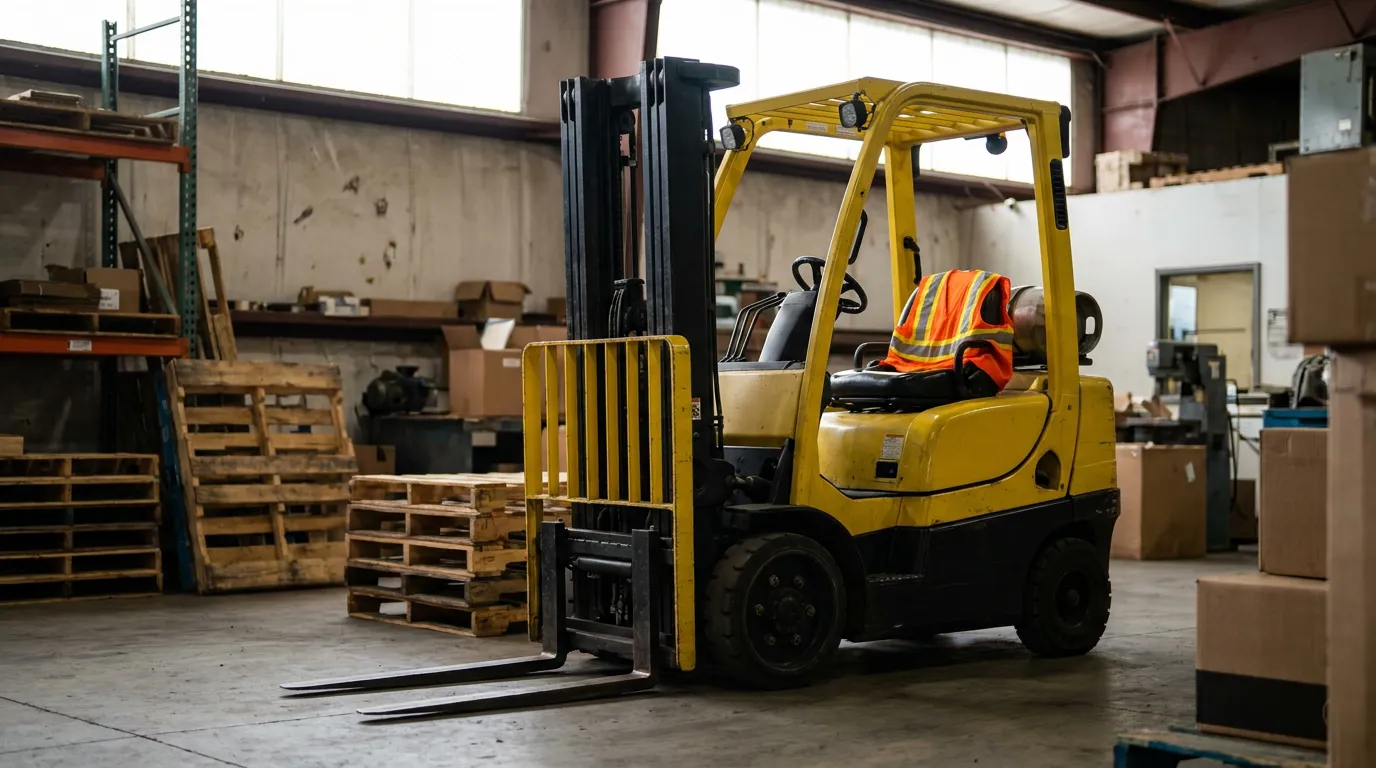
A forklift accident in a Morgantown warehouse, plant, or loading dock can change a worker’s life in seconds. Crush injuries, amputations, spinal damage, and traumatic brain injuries from tip-overs, falling loads, and pedestrian strikes often lead to emergency surgery, months of rehabilitation, and long-term limitations. An injured worker in West Virginia may be able to recover medical expenses, wage replacement, diminished earning capacity, and, when a viable claim outside workers’ compensation exists, pain and suffering and other non-economic damages.
If you or a loved one suffered a severe workplace injury involving a powered industrial truck, the team at Robinette Legal Group PLLC is ready to listen. Call 304-501-5753 or contact us now to discuss how West Virginia law may apply to your situation.
Why Forklift Injuries Are Rarely "Minor"
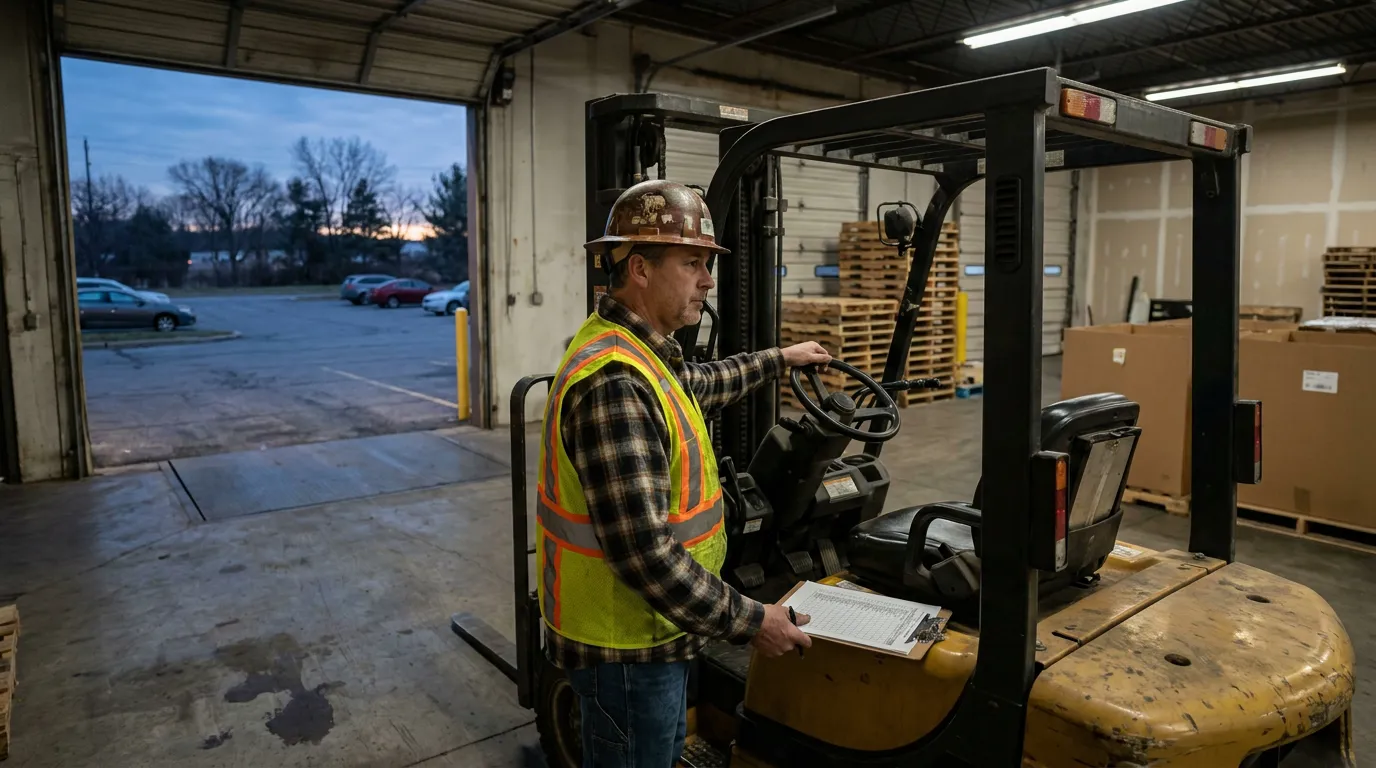
Powered industrial trucks weigh thousands of pounds, and the human body has little defense against that mass. Workers struck by a forklift, pinned against racking, or crushed beneath an overturning machine frequently sustain pelvic fractures, degloving injuries, limb loss, or closed head trauma. The difference between a routine claim and a fully developed one can be measured in a lifetime of care.
The medical picture often unfolds in stages: emergency transport and trauma surgery, then orthopedic revisions, wound care, prosthetics, physical therapy, and sometimes psychological treatment for anxiety, depression, or PTSD. A serious Monongalia County forklift claim may need to account for future treatment that hasn’t happened yet, not just bills already in the file.
💡 Pro Tip: Ask your treating physicians to document permanent restrictions in writing. Vocational and life-care projections generally depend on clear medical documentation of what you can and cannot do going forward.
The Categories of Forklift Accident Injury Compensation Available in West Virginia
Recoverable damages generally fall into economic and non-economic categories, though which applies depends on the legal path your claim takes. Workers’ compensation and a third-party civil action are different systems with different rules, and many seriously injured workers pursue both where the facts support it.
Economic Damages
Economic losses are the measurable, documentable costs tied to the injury, which may include:
- Emergency response, hospitalization, surgical care, and inpatient rehabilitation
- Ongoing treatment, durable medical equipment, prosthetics, and home modifications
- Lost wages during recovery and time missed for medical appointments
- Diminished earning capacity when a worker cannot return to the same job or trade
- Household services the injured person can no longer perform
Non-Economic Damages
Pain and suffering, emotional distress, disfigurement, and loss of enjoyment of life are generally available in a civil tort action against a liable third party rather than through workers’ compensation, which pays defined statutory benefits instead. West Virginia’s workers’ compensation statute generally immunizes employers that maintain coverage and remain in good standing from tort liability unless the stricter "deliberate intent" standard in W. Va. Code § 23-4-2(d)(2) is satisfied. The 2015 West Virginia legislation update published by the WVU College of Law discusses amendments that tightened requirements for employees seeking to sue employers outside the workers’ compensation framework.
Sources of Recovery Beyond Your Employer
Forklift cases frequently involve parties other than the employer, a manufacturer of a defective machine, a maintenance contractor, a staffing agency, a property owner, or a trucking company loading at the dock. Identifying these parties matters because available insurance policy limits can cap what any single defendant actually pays, even in a high-value case. A workers’ compensation carrier may also assert a statutory right of subrogation against a third-party recovery.
| Loss Category | Typically Available Through Workers’ Comp | Typically Available in a Third-Party Claim |
|---|---|---|
| Medical treatment | Yes | Yes |
| Wage replacement | Partial, by formula | Full past and future wage loss |
| Diminished earning capacity | Limited | Yes |
| Pain and suffering | No | Yes |
| Emotional distress | No | Yes |
How Shared Fault Can Reduce a Forklift Injury Settlement in WV
West Virginia applies a modified comparative fault system, so any percentage of fault assigned to the injured person generally reduces the award proportionally. W. Va. Code § 55-7-13a establishes this standard and generally bars recovery when a plaintiff’s fault equals or exceeds 50% under W. Va. Code § 55-7-13c(c). National surveys of comparative negligence laws by state place West Virginia among the modified comparative negligence jurisdictions using a 50% bar threshold.
Fault allocation isn’t limited to the people sitting at counsel table. W. Va. Code §§ 55-7-13c and 55-7-13d allow allocation of fault to nonparties in defined circumstances, and § 55-7-13c generally makes liability for compensatory damages several rather than joint, subject to statutory exceptions like conscious conspiracy and the reallocation procedure for uncollectible shares. In practice, each liable defendant typically pays only its own percentage share, which is why careful investigation of every potentially responsible party matters.
Defense arguments in forklift cases often target the worker: seat belt use, speed, load height, blind-corner travel, or missing high-visibility gear. These may be answered with training records, maintenance logs, OSHA inspection history, and evidence of production pressure. Outcomes remain fact-dependent, and no attorney can promise how a jury will apportion responsibility.
Deadlines That Can End a Claim Before It Starts
West Virginia generally sets a two-year deadline for personal injury actions, and missing it can end an otherwise strong case. Under W. Va. Code § 55-2-12, subsection (b) generally requires personal injury actions be brought within two years after the right to bring them has accrued. Subsection (a) applies the same period to property damage actions, while subsection (c) sets a one-year period for other personal actions that wouldn’t have survived a party’s death at common law. Some claims are governed by different statutes entirely, such as the two-year wrongful death period in § 55-7-6.
Discovery rules and tolling doctrines exist, but courts may interpret these exceptions narrowly, and they don’t apply automatically. Deadlines can also differ depending on the defendant, the theory of liability, and whether a governmental entity is involved. Administrative claim deadlines within workers’ compensation are generally separate from civil statutes of limitations, for example, injury claims generally must be filed within six months under W. Va. Code § 23-4-15, and satisfying one may not preserve the other.
💡 Pro Tip: Ask, in writing, that your employer preserve the forklift itself, its data or telematics, maintenance records, and any surveillance footage. Evidence in industrial settings can be repaired, overwritten, or returned to service quickly.
What Strengthens a Morgantown Workplace Injury Compensation Claim
Serious claims are generally built from evidence gathered early, not arguments made late. Photographs of the scene, witness contact information, incident reports, forklift certification and training files, and inspection records can shape whether a third-party theory holds up. Consistent medical treatment and honest reporting of symptoms may also carry significant weight with adjusters and juries.
Insurers may contact injured workers quickly and request recorded statements or broad medical authorizations. You are generally not required to give a recorded statement to another party’s insurance carrier, though your own policy or the workers’ compensation process may impose cooperation duties, and it may be prudent to consult a lawyer before doing so. Workers who want to understand how damages are calculated in a comparable industrial setting may find it useful to review construction worker compensation in WV, since many of the same principles may apply.
Common Challenges Injured Workers Face
Delays in reporting, gaps in treatment, social media posts, and preexisting condition arguments are among the most common obstacles. Another is undervaluation: a forklift operator injury payout that covers only current bills may leave nothing for future surgeries or decades of reduced earnings.
Frequently Asked Questions
1. Can I sue my employer after a Morgantown forklift accident?
In most cases, West Virginia’s workers’ compensation system generally provides the exclusive remedy against an employer that maintains coverage and remains in good standing. An action outside that system generally requires meeting the demanding "deliberate intent" standard of W. Va. Code § 23-4-2, and whether that standard is met depends heavily on the specific facts.
2. How is pain and suffering valued in warehouse injury damages West Virginia claims?
There is no fixed formula. Courts and juries may consider the severity and permanence of the injury, the length and difficulty of treatment, disfigurement, and how daily life and relationships have changed.
3. What if I was partly at fault for the forklift accident?
Under W. Va. Code § 55-7-13a, your recovery may generally be reduced by your percentage of fault, and recovery may be barred if your fault is greater than the combined fault of all other responsible persons. Comparative fault findings are fact-specific.
4. Does insurance coverage limit what I can recover?
It can. Even a well-documented, high-value claim may be constrained by a defendant’s policy limits, which is why counsel typically investigates multiple coverage sources and additional responsible parties.
5. How long do I have to file a WV forklift injury claim?
Civil personal injury actions generally must be filed within two years under W. Va. Code § 55-2-12(b), subject to limited exceptions. Workers’ compensation reporting and filing deadlines are separate and are often shorter.
Protecting Your Recovery After a Life-Altering Forklift Injury
Forklift accident injury compensation in West Virginia may extend well beyond the first stack of medical bills when a claim is fully developed. Between the comparative fault rules in §§ 55-7-13a and 55-7-13c, the two-year limitations period in § 55-2-12(b), and the heightened standard for claims against employers, the legal path is genuinely fact-dependent. Careful investigation, preserved evidence, and thorough damages documentation can help give an injured worker the strongest position the facts allow.
If a forklift accident has left you or a family member facing surgery, lost income, or permanent limitations, Robinette Legal Group PLLC welcomes your call. Reach a West Virginia forklift accident attorney at 304-501-5753 or request your consultation to talk through your options.
Disclaimer: This content is for informational purposes only and is not legal advice. Every case is unique, and results may vary. Consult an attorney about your specific circumstances.

Jeffery Robinette was admitted to practice law in 1991 and is licensed in all levels of state and federal trial courts in West Virginia. Mr. Robinette is also licensed in all state and federal appeals courts in West Virginia and the United States Supreme Court. As a National Board Certified Trial Attorney who has handled hundreds of motor vehicle, injury, and construction defect claims and a leading author on insurance claims settlement issues and difficulties in West Virginia, Jeff Robinette is uniquely qualified to represent your best interest.