

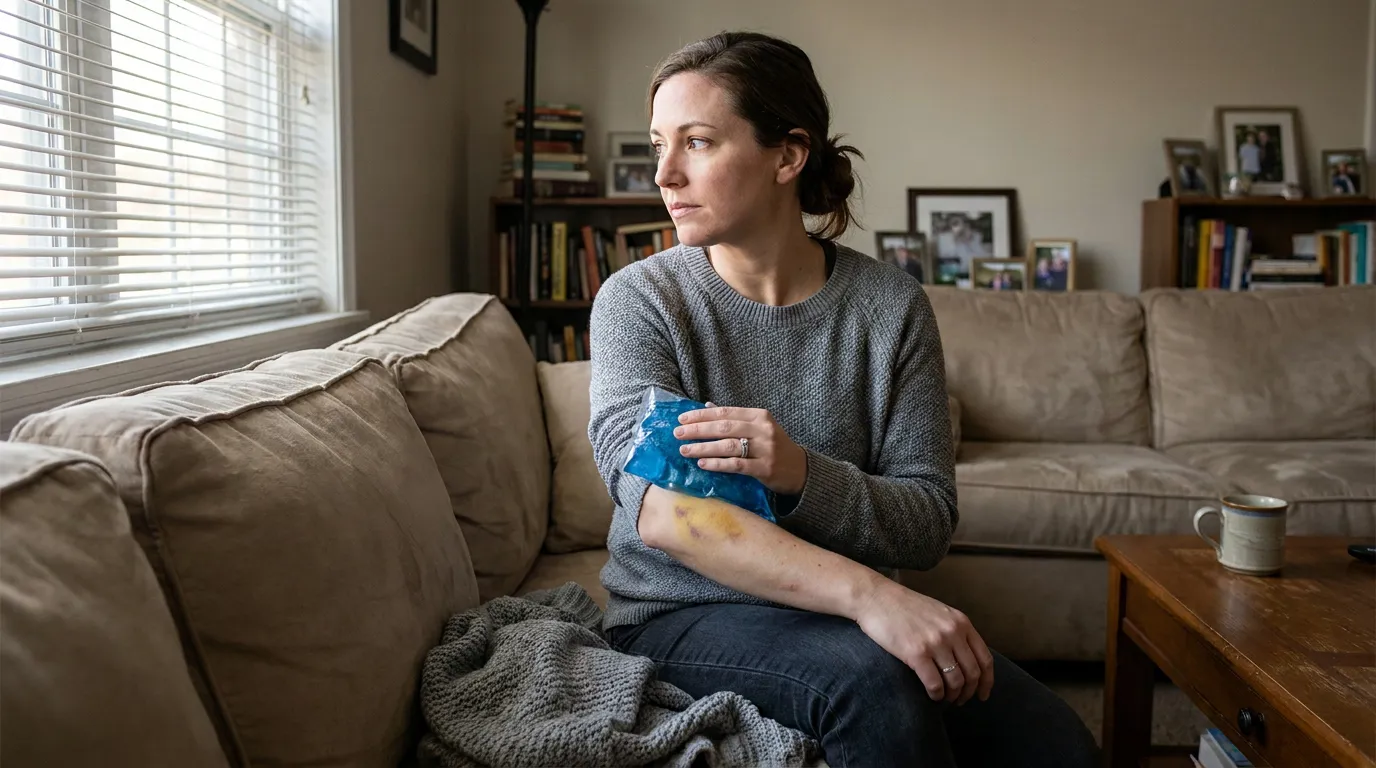
Is It a Bruise or a Brain Injury? Why the Difference Matters After a Crash
Key Takeaways: A contusion is a bruise. When it happens to the brain, it is structural damage that often shows up on a CT or MRI, while a concussion disrupts how the brain works and often looks normal on standard imaging. West Virginia’s legislative findings recognize concussions as real brain injuries that usually happen without a blackout, and symptoms can build over hours or days, so see a doctor quickly. Both injuries can lead to medical bills, lost wages, reduced earning capacity, and pain and suffering, and a fatal head injury may support a wrongful death claim. Under West Virginia’s modified comparative fault rule, you generally cannot recover only if your fault is greater than the combined fault of everyone else; if your fault is equal to or less than that combined fault, you can still recover, with your award reduced in proportion to your own percentage of fault. Most personal injury lawsuits must be filed within two years, and uninsured or underinsured motorist coverage may help when the at-fault driver’s policy limits fall short.
A contusion is a bruise, while a concussion is a brain injury that disrupts how the brain works. After a crash, "contusion" can mean a bruise on your skin or muscle, or a bruise on the brain itself, a structural injury doctors can often see on a CT scan or MRI. A concussion is usually a functional injury, and standard imaging often looks normal even when the brain is not working as it should. Understanding the difference can help Morgantown crash victims get the right care, document their injuries accurately, and push back when an insurer calls a serious brain injury "just a bump on the head."
If a careless driver left you or someone you love with a head injury, you do not have to deal with the insurance company alone. Robinette Legal Group PLLC represents injured crash victims throughout West Virginia. Call 304-501-5753 or contact us now to talk about your next steps.
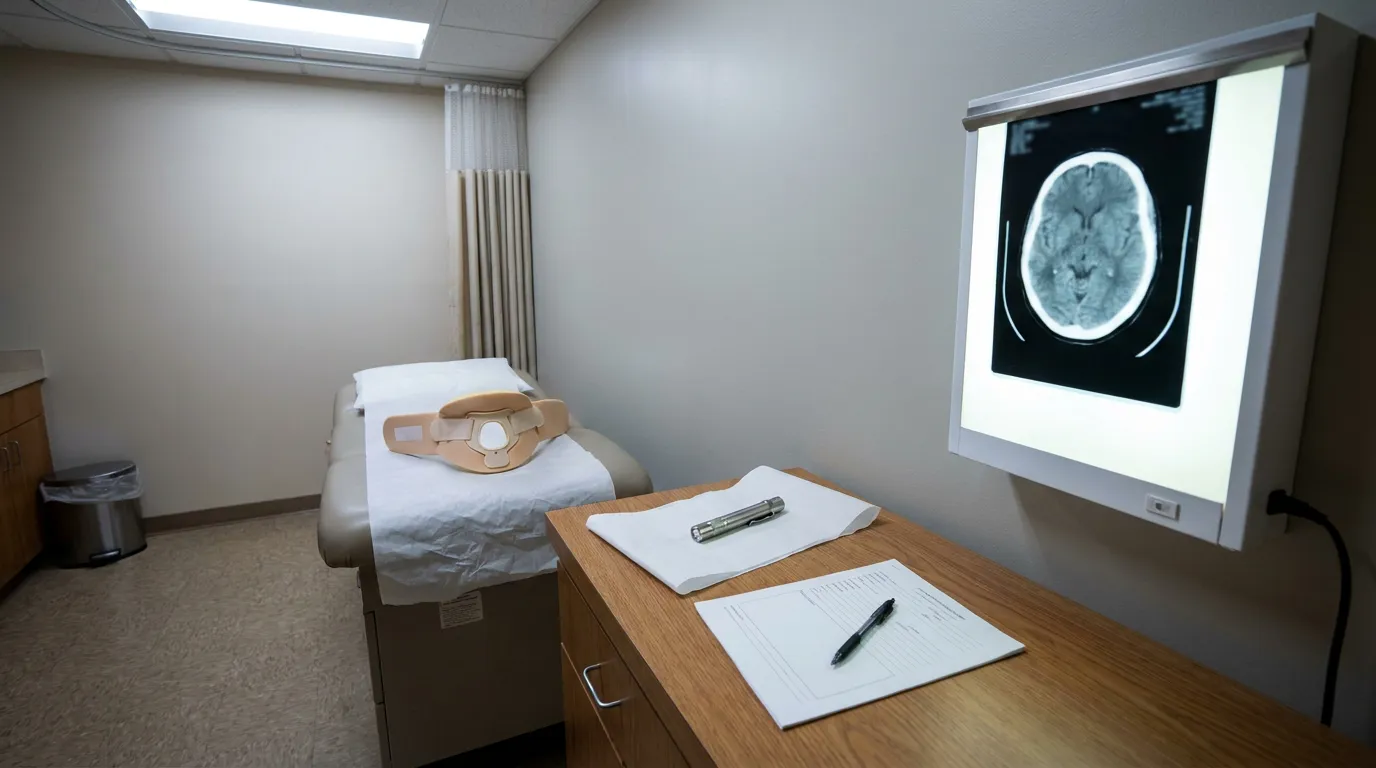
Contusion vs Concussion: The Medical Basics for Crash Victims
The main difference is structural damage versus a disruption in how the brain works. Both injuries can come from the same crash, and some victims have both. Doctors often assess them differently, which affects how your claim is documented.
What a Concussion Does to the Brain
West Virginia law describes a concussion as an injury caused by a blow or motion to the head or body that makes the brain move rapidly inside the skull. That language comes from W. Va. Code § 18-2-25a(a)(2), a school sports statute. It does not govern car accident claims, but it describes the same forces at work in a rear-end or T-bone crash. Section 18-2-25a(a)(3) adds that concussions are a type of brain injury that can range from mild to severe.
Most concussions happen without a blackout. W. Va. Code § 18-2-25a(a)(5) recognizes that concussions can happen with or without loss of consciousness, and that most happen without one. Many crash victims think they are fine because they stayed awake at the scene, which can delay treatment and may hurt a later claim.
What a Brain Contusion Involves
A brain contusion is bruising of the brain tissue itself, and it often comes with bleeding or swelling. It can happen where the head hits a window, steering wheel, or headrest, or on the opposite side of the brain as it rebounds inside the skull. Because contusions are structural, they often show up on imaging. Depending on size and location, they may need hospital monitoring or surgery.
The CDC tracks traumatic brain injury as a major public health concern, and motor vehicle crashes are among its leading causes. The CDC’s traumatic brain injury data is a credible, neutral source when you explain your injury to an adjuster or jury.
| Feature | Concussion | Brain Contusion |
|---|---|---|
| Type of injury | Disrupts how the brain works | Bruising and bleeding in brain tissue |
| Typical imaging | Often appears normal | Often visible on CT or MRI |
| Loss of consciousness | Usually absent | May or may not occur |
| Common symptoms | Headaches, fog, memory issues, light sensitivity | Weakness, confusion, seizures, loss of brain function |
| Possible treatment | Rest, monitoring, cognitive therapy | Hospital stay, monitoring, possible surgery |
Why Head Injuries Get Missed After Morgantown Crashes
Head injury symptoms often build over hours or days, so many victims leave the scene without knowing how badly they are hurt. Adrenaline can hide pain, and problems like trouble focusing, irritability, or poor sleep may only show up once you return to work or school. You can learn more in our guide on car accident brain injury risks.
The legislative findings in W. Va. Code § 18-2-25a(a)(2) also warn that the risk of catastrophic injury or death is significant when a head injury is not properly evaluated and managed. See a doctor promptly, and watch for symptoms like these:
- Headaches that last or get worse
- Confusion, memory gaps, or slowed thinking
- Nausea, dizziness, or balance problems
- Sensitivity to light or noise
- Mood changes, anxiety, or depression
- Unusual drowsiness or trouble waking
💡 Pro Tip: Ask a family member to write down changes they notice in your behavior, memory, or mood in the weeks after the crash. These notes can be strong evidence for injuries that do not show up on a scan.
The Real Costs of a Car Accident Brain Injury
A brain injury can affect your health, your career, and your family’s finances for years. Injured victims may seek compensation for:
Medical Expenses Now and in the Future
Medical costs often start with emergency care and imaging and then grow quickly. They can include hospital stays, surgery, neurologist visits, therapy, and medication. Doctors can help estimate future treatment needs, and those estimates may be part of your claim if backed by evidence.
Lost Wages and Reduced Earning Capacity
Problems with thinking and memory can make it hard or impossible to do your job. A teacher who cannot focus, a tradesperson with balance problems, or a WVU student who falls behind may lose income now and earning power later. Claims may include both lost wages and reduced future earning ability.
Pain, Suffering, and Quality of Life
Brain injuries often change how people feel, think, and relate to others. Chronic headaches, anxiety, depression, and the loss of hobbies or independence are real harms that can be major parts of a serious injury claim.
When a head injury is fatal, the family may have a wrongful death claim under W. Va. Code §§ 55-7-5 through 55-7-8. The deceased person’s personal representative generally brings these claims for eligible family members, usually within two years of death under W. Va. Code § 55-7-6(d).
How West Virginia Fault Rules and Deadlines Shape Your Claim
How much you can recover may depend on comparative fault. Under West Virginia’s comparative fault statute, W. Va. Code § 55-7-13a(b), each person involved, including plaintiffs, defendants, and nonparties, is assigned fault in direct proportion to their share.
West Virginia follows a modified comparative fault rule. Under W. Va. Code § 55-7-13c, an injured person cannot recover only if their fault is greater than the combined fault of everyone else. In practice, more than 50 percent usually bars recovery, and a fault percentage of 50 percent or less reduces the award proportionally. Insurers often claim a victim was speeding, wasn’t wearing a seatbelt, or waited too long to see a doctor, all to shift blame and pay less. West Virginia law sharply limits how seatbelt evidence can be used to reduce damages.
Filing Deadlines
Most personal injury lawsuits in West Virginia must be filed within two years after the right to sue arises, under the two-year filing deadline in W. Va. Code § 55-2-12(b). Property damage claims generally have a two-year deadline under § 55-2-12(a). A few exceptions may apply, such as extra time for minors or when an injury could not have been discovered sooner, but they do not apply automatically. Claims against government entities may have extra notice rules.
Insurance Limits, Drunk Drivers, and Other Sources of Recovery
A serious brain injury claim can exceed the at-fault driver’s policy limits. West Virginia’s minimum liability limits of $25,000 per person and $50,000 per accident for bodily injury may fall far short of a lifetime of care, so finding every source of compensation matters.
Under W. Va. Code § 33-6-31(b), West Virginia auto policies must include uninsured motorist coverage of at least the state minimum limits, and insurers must offer optional higher uninsured and underinsured motorist limits. Uninsured motorist coverage generally pays what you are legally entitled to recover from an uninsured driver, up to your policy limits. Underinsured motorist (UIM) coverage is optional, but if you bought it, it may pay more when the at-fault driver’s coverage runs out. Other parties, such as an employer whose driver was working at the time, may also be responsible.
If a drunk driver hit you, the driver’s impairment may strengthen the evidence of negligence. It may also support a claim for punitive damages. Under W. Va. Code § 55-7-29, these require clear and convincing evidence of actual malice or conscious, reckless disregard for others, and they are subject to caps. Preserve police reports, toxicology results, and witness statements early.
💡 Pro Tip: Request a copy of your own auto policy declarations page right away. Many victims learn that their own UIM coverage is an important source of recovery when the at-fault driver carries only minimum limits.
Frequently Asked Questions
1. Can I have a concussion if my CT scan was normal?
Yes, a normal CT scan does not rule out a concussion. Concussions usually affect how the brain works, and standard imaging may not detect them. Doctors often diagnose them based on symptoms and an exam.
2. Is a brain contusion more serious than a concussion?
A brain contusion involves structural damage and may need more intensive treatment, but both injuries can be serious. Some concussions cause long-lasting symptoms.
3. What if I didn’t go to the doctor right away?
Delayed treatment does not necessarily end a claim, but insurers may use the gap to argue the crash did not cause your injury. Seeing a doctor as soon as possible and following your treatment plan can help tie your injury to the crash.
4. Can I still recover if I was partly at fault?
You may still recover if your share of fault does not exceed the combined fault of the others involved. Under W. Va. Code § 55-7-13c, your recovery goes down by your percentage of fault.
5. How long do I have to file a lawsuit?
Most personal injury claims must be filed within two years under W. Va. Code § 55-2-12(b). Exceptions are limited, so act promptly.
Protecting Your Health and Your Claim
Knowing the contusion vs concussion difference can help you get proper care and build a stronger claim. Both injuries can change your life, and both need careful medical records. A Morgantown car accident lawyer can help you find every source of compensation and respond to insurer tactics.
You should be able to focus on healing while someone else deals with the insurance company. The team at Robinette Legal Group PLLC is ready to hear your story and explain your options. Call 304-501-5753 or schedule your consultation today.
Disclaimer: This content is for informational purposes only and is not legal advice. Every case is unique, and results may vary. Consult an attorney about your specific circumstances.

Jeffery Robinette was admitted to practice law in 1991 and is licensed in all levels of state and federal trial courts in West Virginia. Mr. Robinette is also licensed in all state and federal appeals courts in West Virginia and the United States Supreme Court. As a National Board Certified Trial Attorney who has handled hundreds of motor vehicle, injury, and construction defect claims and a leading author on insurance claims settlement issues and difficulties in West Virginia, Jeff Robinette is uniquely qualified to represent your best interest.