
Hurt by a Work Driver in Morgantown? The Employer May Share Responsibility
Key Takeaways: Yes, a Morgantown crash victim can often sue both a negligent driver and that driver’s employer if the driver was acting within the scope of employment, under the doctrine of respondeat superior. Liability usually depends on the purpose of the trip, the vehicle used, the timing, and the employer’s control. Defenses based on commuting, being off duty, or independent contractor status are common. Employers may also be directly liable for negligent hiring, supervision, or retention if they knew or should have known a driver was unfit. Bringing in the employer can open up commercial insurance coverage well beyond West Virginia’s minimum bodily injury limits of $25,000 per person and $50,000 per accident. Victims may recover medical costs, lost wages, and pain and suffering under West Virginia’s modified comparative fault rule. They generally have only two years to file, and shorter notice requirements may apply when a government employee is involved. Quickly preserving evidence such as dashcam footage, GPS data, and dispatch records can make a significant difference.
In many cases, yes. If a driver was on the job when they caused your crash, West Virginia law generally allows you to pursue a claim against both the driver and their employer. A legal doctrine called respondeat superior can hold employers responsible for negligence their employees commit within the scope of employment. That matters when your injuries are life-changing and the driver’s personal insurance cannot cover surgery, rehabilitation, lost income, and long-term care. Liability depends on the specific facts, including what the driver was doing and what the employer knew about that driver beforehand.
If you or someone you love was seriously injured by a delivery driver, contractor, or anyone else driving a company vehicle, Robinette Legal Group PLLC can review your options. Call 304-501-5753 or contact us now to talk about your case.
How a Respondeat Superior Car Accident Claim Works
Respondeat superior is a long-standing legal doctrine that can make an employer responsible for an employee’s negligent driving. It is often defined as making an employer responsible for "actions performed by employees done within the scope of their employment." It rests on a public policy idea: people injured by negligence should be able to recover from a financially responsible party. For seriously injured crash victims, that party is often a business with commercial insurance, not an individual driver with minimum coverage.
The doctrine goes back a long way in American law. In Philadelphia & Reading Railroad Co. v. Derby (1852), the U.S. Supreme Court held a railroad company liable for injuries caused when its employee negligently ran a train in the course of his employment, even though he was disobeying the company’s orders. Courts still ask the same core question: was the employee doing the employer’s work when the harm occurred? A respondeat superior car accident lawyer typically looks at that question first.
Common Work-Driving Situations That May Support Employer Liability
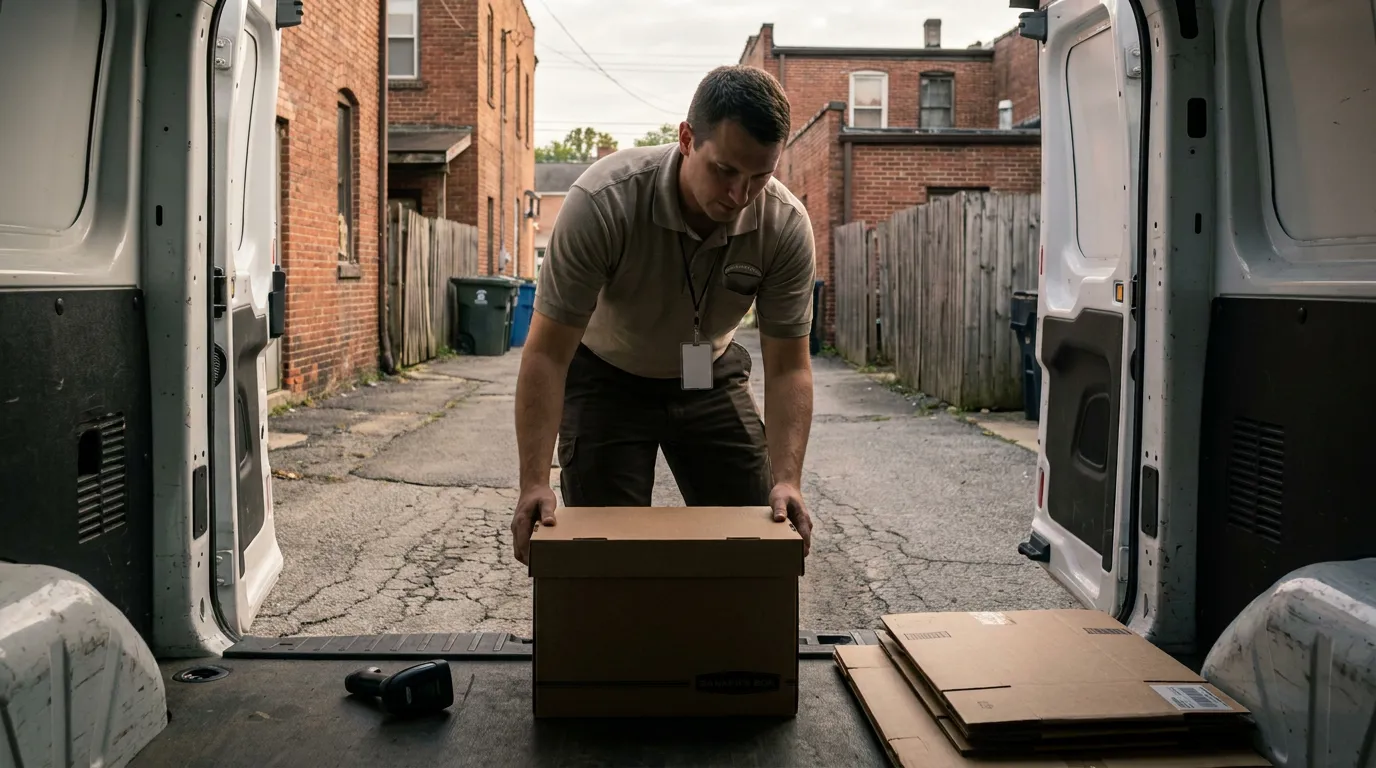
Many everyday crashes in Morgantown involve people driving for work. Situations that may support an employer liability claim include:
- Delivery drivers dropping off packages or food
- Employees driving company-owned cars, vans, or pickup trucks
- Service technicians, contractors, and repair crews traveling between job sites
- Sales representatives driving to client meetings
- Commercial truck and bus operators
Each situation still requires a close look at the facts. Some companies classify drivers as independent contractors. That can complicate a vicarious liability claim, but courts look at how much control the company actually had, not just the label. In trucking cases, federal motor carrier rules may also make a carrier responsible for drivers operating under its authority.
The "Scope of Employment" Question Often Decides the Case
For employer liability to attach, the employee generally must have been acting within the course and scope of employment. If the driver was on a purely personal errand, the employer may not be vicariously liable. Courts may consider the time of day, the route, whether the trip benefited the employer, and whether the employer authorized the activity. In West Virginia, proof that the vehicle belonged to the employer may create a presumption that the driver was acting for the employer, though the employer can try to rebut it.
This is often where disputes arise. An employer’s insurer may argue the driver was "on a frolic," meaning they had stepped away from work for personal reasons. Ordinary commuting is also often treated as outside the scope of employment. Exceptions may apply, for example when the employer provides the vehicle, pays for travel time, or requires the trip as part of the job. Early evidence collection matters.
| Factor | May Support Employer Liability | May Weaken the Claim |
|---|---|---|
| Purpose of trip | Delivery, client visit, work errand | Personal errand unrelated to work |
| Vehicle | Company-owned or marked vehicle | Personal vehicle on a personal trip |
| Timing | During a scheduled shift | Off-duty hours |
| Employer control | Assigned routes, dispatch records | No employer direction |
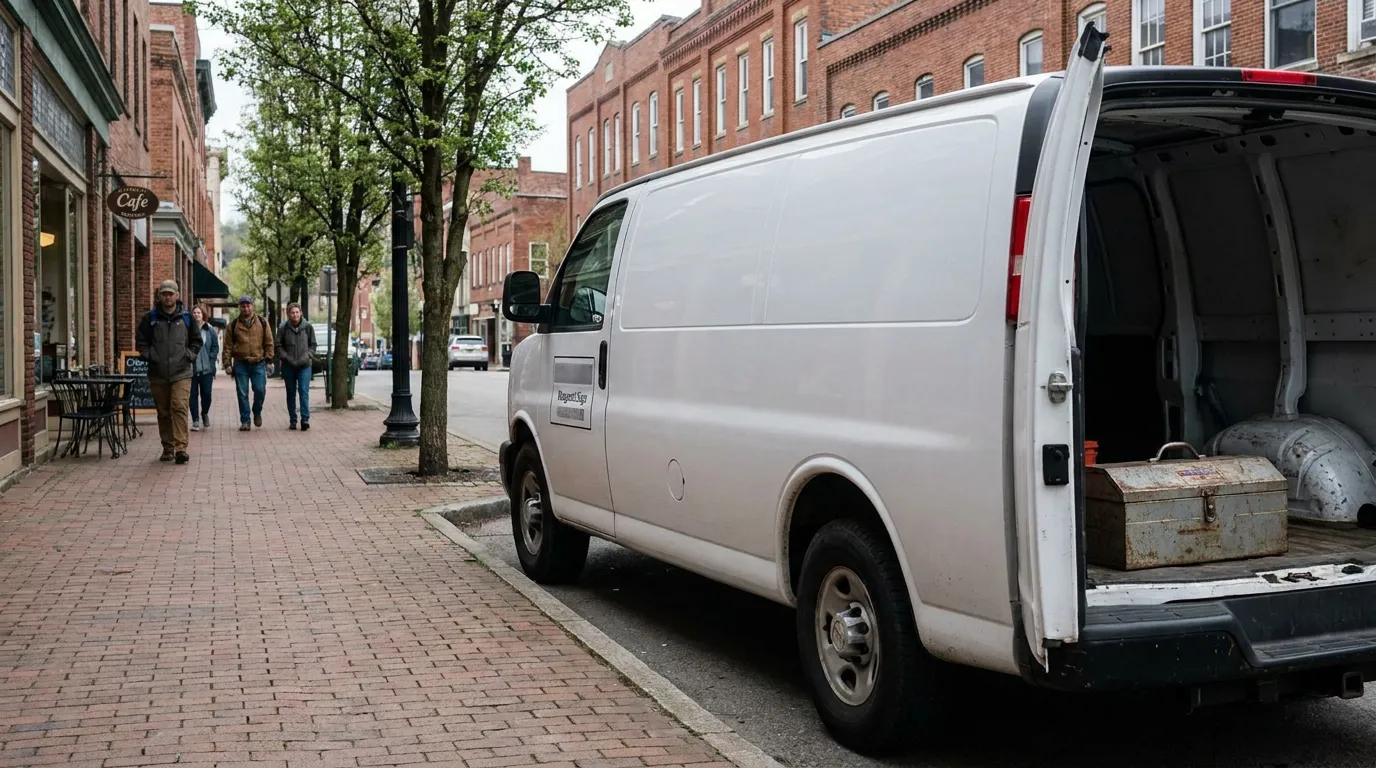
💡 Pro Tip: Write down any company name, logo, or vehicle number you remember from the at-fault vehicle, and save photos showing markings. Those details can help identify the employer before records go missing.
Direct Employer Negligence: Hiring, Supervision, and Retention
Respondeat superior is not the only way to hold an employer accountable. Employers may also be directly liable for their own negligence through claims for negligent hiring, supervision, and retention. These claims are separate from vicarious liability and may be available even in some situations where the employee acted outside the scope of employment, but they generally still require that the employee’s own conduct was wrongful and caused your injuries.
Negligent Hiring
Negligent hiring may apply when an employer fails to reasonably screen a driver who later harms someone. If a company put a driver behind the wheel without checking a record of DUIs, suspended licenses, or repeated accidents, that failure may support a direct claim if the danger was foreseeable. That is especially important if you were hit by a drunk driver whose employer knew, or should have known, about prior alcohol-related offenses.
Negligent Supervision and Retention
Negligent supervision may apply when an employer fails to reasonably monitor a worker once their unfitness becomes apparent. Negligent retention may apply when an employer keeps a driver on the job after learning about dangerous tendencies, such as repeated traffic violations or prior crashes. A key element is generally proof that the employer knew or should have known the employee was unfit. Proving that often requires driving records, internal complaints, GPS data, and personnel files obtained through discovery.
Why WV Vicarious Liability Matters for Seriously Injured Victims
Bringing in the employer can change how much compensation is realistically available. Many individual drivers carry policies with limits far below the true cost of a catastrophic injury. Under W. Va. Code § 17D-4-2, the minimum liability coverage is $25,000 per person and $50,000 per accident for bodily injury. One night in a trauma unit can exceed that.
When the at-fault driver’s own limits fall short, other possible sources of recovery include the employer’s commercial policy, the employer’s assets, and your own underinsured motorist (UIM) coverage. To learn how this works in the trucking context, read about what respondeat superior means in WV truck crash cases.
Damages You May Be Able to Recover
Seriously injured victims may pursue compensation for both economic and non-economic losses. Recoverable damages may include:
- Emergency care, hospitalization, surgery, physical therapy, and future treatment costs
- Lost wages and diminished future earning capacity
- Pain and suffering and emotional distress
- Loss of enjoyment of life
West Virginia applies a modified comparative fault rule under W. Va. Code § 55-7-13a. You may recover damages as long as your fault is not greater than the combined fault of all other persons responsible, but your award is reduced by your percentage of fault. Insurers sometimes try to shift blame to the victim for exactly this reason.
Deadlines and Practical Challenges to Watch For
In West Virginia, personal injury claims are generally subject to a two-year statute of limitations under W. Va. Code § 55-2-12. Exceptions such as the discovery rule or tolling apply only in limited circumstances. If a government employee caused the crash, different rules may apply. Claims against cities, counties, and other political subdivisions are governed by the West Virginia Governmental Tort Claims and Insurance Reform Act, W. Va. Code § 29-12A-1 et seq., which includes immunity provisions and damages limits. Claims against state agencies generally require written notice before you file suit under W. Va. Code § 55-17-3.
Employers and their insurers often move quickly after a crash. Dashcam footage, electronic logging data, and dispatch records may be overwritten or discarded if no one formally requests that they be preserved. A prompt preservation letter can help protect that evidence.
💡 Pro Tip: Avoid giving a recorded statement to the employer’s insurance carrier before speaking with an attorney. Adjusters may use your statements to argue the driver was off the clock or that you share the blame.
Frequently Asked Questions
1. Can I sue an employer if the driver was using their own car?
Possibly. Vehicle ownership often matters less than whether the driver was performing work duties. A worker running a job-related errand in a personal vehicle may still be acting within the scope of employment.
2. What if the driver was an independent contractor?
Vicarious liability usually applies to employees, so contractor status can complicate a claim. Courts may look past labels to how much control the company had. Direct negligence claims, and in trucking cases federal motor carrier rules, may still provide a path to recovery.
3. Do I have to choose between suing the driver and the employer?
Generally, no. Both can often be named as defendants, which may give you access to additional insurance coverage. However, you generally cannot recover the same damages twice.
4. What if the employer says the driver was off duty?
That is a common defense. Phone records, GPS data, work schedules, and delivery logs may help show what the driver was really doing when the crash happened.
5. Can I still recover if I was partly at fault?
Under West Virginia’s modified comparative fault rule, you may still recover if your share of fault is not greater than the combined fault of all others responsible. Your award is reduced by your percentage of fault.
Protecting Your Right to Full Compensation
A Morgantown crash victim may be able to hold an employer responsible through respondeat superior, negligent hiring, negligent supervision, or negligent retention. Each theory depends on specific facts, including scope of employment and what the employer knew. With catastrophic injuries, identifying every responsible party and every available insurance policy can be the difference between a recovery that falls short and one that covers your future medical care and lost earning capacity.
You don’t have to sort out these questions on your own while you recover. Robinette Legal Group PLLC helps injured West Virginians investigate employer liability and pursue full compensation. Call 304-501-5753 or schedule your consultation today.
Disclaimer: This content is for informational purposes only and is not legal advice. Every case is unique, and results may vary. Consult an attorney about your specific circumstances.

Jeffery Robinette was admitted to practice law in 1991 and is licensed in all levels of state and federal trial courts in West Virginia. Mr. Robinette is also licensed in all state and federal appeals courts in West Virginia and the United States Supreme Court. As a National Board Certified Trial Attorney who has handled hundreds of motor vehicle, injury, and construction defect claims and a leading author on insurance claims settlement issues and difficulties in West Virginia, Jeff Robinette is uniquely qualified to represent your best interest.