
Understanding Your Rights After a Hazardous Energy Accident in Morgantown
Key Takeaways: Yes, a Morgantown worker can sometimes sue after a lockout/tagout failure injury, but only under narrow circumstances. West Virginia’s workers’ compensation system is usually the exclusive remedy and grants employers immunity from lawsuits. The primary exception is the statutory "deliberate intention" standard, which requires actual knowledge of a specific unsafe condition and intentional exposure to it, far more than ordinary negligence. A documented OSHA 1910.147 lockout/tagout violation can serve as powerful evidence of a known hazard. Separate third-party claims against defective machine manufacturers, negligent contractors, or outside maintenance companies may provide compensation beyond comp. A successful civil claim can recover damages comp doesn’t cover, such as pain, suffering, and lost quality of life, subject to 2023 statutory caps. Deadlines are strict, generally two years under West Virginia Code §55-2-12, and immunity rules may limit claims against governmental employers, so prompt legal analysis is essential.
Yes, a Morgantown worker may be able to sue after a lockout/tagout failure injury, but only under specific and limited circumstances. West Virginia’s workers’ compensation system is generally the exclusive remedy for on-the-job injuries, which usually bars a direct lawsuit against an employer. Under a narrow statutory exception known as "deliberate intention," an injured worker can sometimes step outside that system and pursue a civil claim when a known, unaddressed hazard causes serious harm.
If a machine started unexpectedly, an energized circuit was left live, or a safety procedure was ignored and you suffered a life-altering injury, you deserve answers. The team at Robinette Legal Group PLLC helps injured West Virginians understand the difference between a comp claim and a lawsuit. Call our office at 304-501-5753 or reach us through our confidential case review form.
Why Workers’ Compensation Usually Comes First
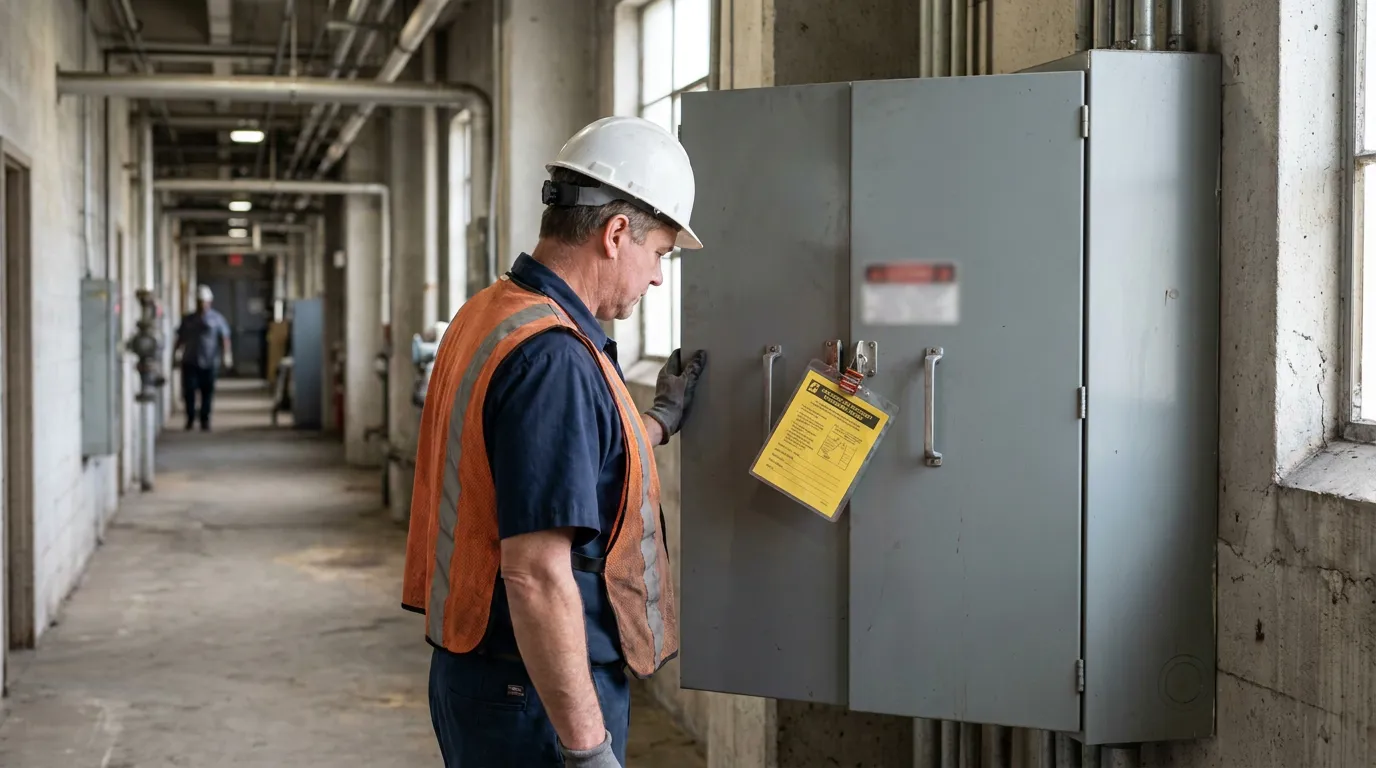
For most injured Morgantown employees, workers’ compensation is the primary route to recovery. West Virginia Code §23-4-1 governs when benefits are payable and defines a covered "injury," broadly covering occupational diseases and traumatic injuries, and extends benefits to dependents where a workplace injury results in death.
In exchange for these no-fault benefits, employers who maintain workers’ compensation coverage generally receive immunity from lawsuits. West Virginia Code §23-4-2 provides that immunity from suit "may be lost only if the employer or person against whom liability is asserted acted with ‘deliberate intention.’"
Workers’ compensation benefits rarely cover the full scope of a catastrophic loss. Comp typically pays a portion of lost wages and approved medical treatment, yet it does not compensate for pain, suffering, or diminished quality of life.
The Deliberate Intention Exception That Can Open the Door to a Lawsuit
The deliberate intention exception is the key legal gateway that lets an injured worker sue an employer directly. West Virginia’s Supreme Court has explained that the modern statute replaced the old common-law concept with a statutory cause of action inside the comp framework.
When an injury results from the employer’s deliberate intention, the worker may recover damages beyond what comp provides. The statute allows the injured employee to bring a cause of action "as if this chapter had not been enacted, for any excess of damages over the amount received or receivable in a claim for benefits." As a prerequisite, the injured worker must also have filed a claim for workers’ compensation benefits unless good cause is shown. You can review the full text of the deliberate intention statute.
This exception is deliberately hard to satisfy, and courts interpret it strictly. Under West Virginia Code §23-4-2(d), the standard cannot be met "by allegation or proof of… conduct which constitutes negligence, no matter how gross or aggravated," nor by willful, wanton, or reckless misconduct. A worker must show far more than a careless mistake. The 2023 amendments to §23-4-2 further clarified the proof required, capped noneconomic compensatory damages, and required yearly inflation adjustments to those limits.
What a Deliberate-Intent Claim Generally Requires
Proving deliberate intention typically involves demonstrating a specific, known, and unaddressed hazard rather than simple oversight. Most claims proceed under a five-element statutory test requiring proof of: a specific unsafe working condition presenting a high degree of risk and strong probability of serious injury or death; the employer’s actual, pre-injury knowledge of that condition and risk; that the condition violated a state or federal safety statute, rule, or regulation, or a commonly accepted industry safety standard; that the employer nonetheless intentionally exposed the worker to it; and that the worker suffered a resulting serious injury. You can read a West Virginia Supreme Court deliberate-intent ruling that discusses how these claims are analyzed.
This parallels a lockout/tagout failure, where a known unsafe energized condition injures a worker. The legal question turns on whether the employer had actual knowledge of the specific unsafe working condition and the high degree of risk it posed, yet exposed the employee anyway. Actual knowledge must be specifically proven and cannot be presumed.
How OSHA 1910.147 Lockout Tagout Failures Fit Into a Deliberate-Intent Claim
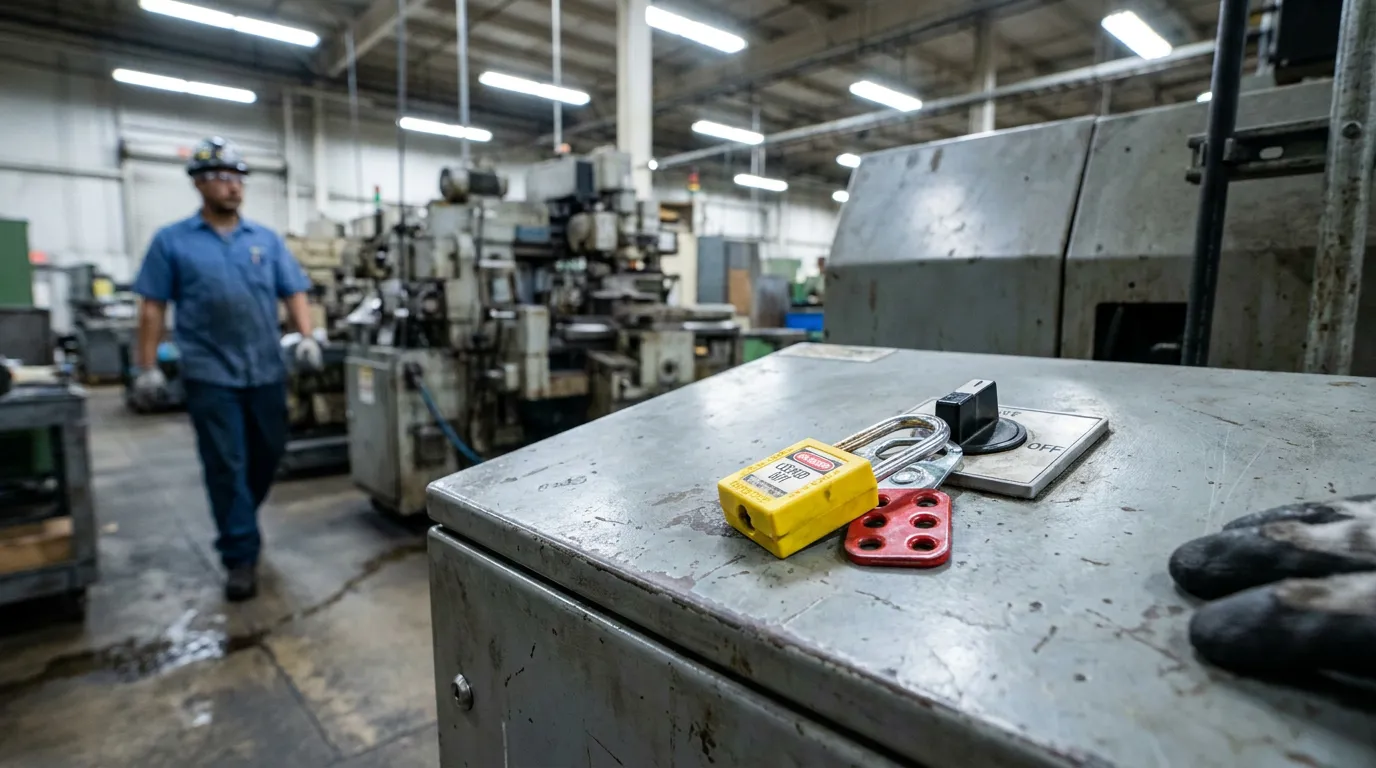
The federal OSHA 1910.147 lockout tagout standard sets the baseline for controlling hazardous energy during machine servicing and maintenance. This regulation requires employers to establish procedures that isolate energy sources before employees work on equipment, preventing unexpected startup or release of stored energy.
A documented violation of the OSHA 1910.147 lockout tagout requirements can help establish that a specific unsafe condition existed, was recognized, and violated a recognized safety regulation. For example, if training records, prior citations, or internal safety complaints show the employer knew that a machine’s energy sources were not being locked out, that history may support the actual-knowledge element.
Common OSHA 1910.147 lockout tagout failures that lead to serious Morgantown injuries include:
- Failing to de-energize equipment before maintenance
- Missing or inadequate lockout devices on hazardous energy sources
- No written energy-control procedure or untrained employees performing servicing
- Ignoring stored energy such as hydraulic, pneumatic, or electrical charge
These failures often cause amputations, crush injuries, severe burns, and traumatic brain injuries. Because proving deliberate intention is fact-intensive, working with a knowledgeable West Virginia work injury attorney early can help preserve the evidence a claim may require.
Third-Party Liability and Other Paths to Full Compensation
Beyond a deliberate-intent claim against an employer, a separate lawsuit against a third party may exist. When a defective machine, a negligent contractor, or an outside maintenance company contributes to a lockout/tagout failure, that party is not protected by the employer’s comp immunity. These third-party work injury claims can sometimes provide compensation that comp and even a deliberate-intent claim cannot reach.
Identifying every responsible party often makes the difference in a serious injury case. A machine manufacturer that sold defective safety controls, or a staffing agency that failed to train workers, may share liability. To understand how these overlapping claims work, review our discussion of pursuing third-party work injury claims in West Virginia.
💡 Pro Tip: Photograph the equipment, save any lockout devices or tags involved, and write down the names of coworkers who witnessed the incident before conditions change. Physical evidence and firsthand accounts are often decisive in machine-related injury cases.
Damages Available After a Serious Lockout/Tagout Injury
A viable civil claim can address losses that workers’ compensation leaves uncovered. Serious lockout/tagout injuries frequently generate enormous financial and personal costs that extend for years.
| Category of Loss | What It May Cover |
|---|---|
| Medical expenses | Emergency care, surgery, hospitalization, rehabilitation, and future treatment |
| Lost income | Wages already lost and reduced future earning capacity |
| Noneconomic harm | Pain, suffering, emotional distress, and lost quality of life |
| Additional sources | Third-party liability and product defect recoveries |
In deliberate-intent cases, noneconomic damages are now limited to the higher of two times the economic damages or $500,000 per person, a cap that adjusts yearly for inflation. Because these limits and proof requirements changed under the 2023 amendments and apply to injuries on or after July 1, 2023, the current value of a claim depends on when the injury occurred. A trusted West Virginia work accident lawyer can help calculate the realistic scope of recovery. Learn more on our work accident practice page.
Deadlines and Immunity Limits You Should Know
A civil lawsuit must be filed within West Virginia’s statute of limitations, which is separate from any comp process. Under West Virginia Code §55-2-12(b), personal injury actions generally must be brought "within two years next after the right to bring the same shall have accrued."
One important limit involves government employers, where immunity can bar even a deliberate-intent claim. West Virginia courts have held that political-subdivision immunity extends to counties and municipalities for actions brought under §23-4-2(c)(2).
Frequently Asked Questions
1. Can I sue my employer if I already received workers’ compensation benefits?
Possibly. Receiving comp benefits doesn’t automatically eliminate a deliberate-intent claim. Filing a workers’ compensation claim is generally a prerequisite, though immunity rules can limit claims against governmental employers.
2. How long do I have to file a lawsuit after a lockout/tagout injury?
In most cases, two years from when the claim accrues, under West Virginia Code §55-2-12. Seek guidance promptly.
3. Does an OSHA violation guarantee I win my case?
No. An OSHA 1910.147 lockout tagout violation can serve as valuable evidence of a known hazard, but a deliberate-intent claim requires proof of all statutory elements.
4. What if a defective machine caused my injury?
You may have a third-party claim against the manufacturer or another responsible entity. These claims are separate from your comp benefits and are not blocked by employer immunity.
5. Why do I need a lawyer for a workplace injury claim in West Virginia?
Deliberate-intent and third-party claims are complex and fact-intensive, and evidence can disappear quickly. A West Virginia work injury attorney can investigate the scene, preserve safety records, and evaluate every potential source of recovery.
Protecting Your Recovery After a Life-Altering Work Injury
A serious lockout/tagout failure can leave a Morgantown worker facing surgeries, lost income, and a permanently changed life. While workers’ compensation is usually the first remedy, West Virginia law recognizes a narrow deliberate intention exception and separate third-party claims that may allow injured workers to pursue fuller compensation. Because these claims depend heavily on the specific facts, evidence, and applicable statutory caps, early legal analysis matters.
If a hazardous energy accident has harmed you or someone you love, the team at Robinette Legal Group PLLC is ready to help you understand your rights. Call us today at 304-501-5753 or contact us through our secure online form to request a confidential consultation about your work injury claim.

Jeffery Robinette was admitted to practice law in 1991 and is licensed in all levels of state and federal trial courts in West Virginia. Mr. Robinette is also licensed in all state and federal appeals courts in West Virginia and the United States Supreme Court. As a National Board Certified Trial Attorney who has handled hundreds of motor vehicle, injury, and construction defect claims and a leading author on insurance claims settlement issues and difficulties in West Virginia, Jeff Robinette is uniquely qualified to represent your best interest.