
When a Workplace Injury Changes Everything in West Virginia
Key Takeaways: Nearly 20 West Virginia workers suffered amputations in a single reporting year, reflecting ongoing dangers in heavy industries like coal mining, logging, and construction. Federal law under OSHA 1904.39 requires employers to report work-related amputations within 24 hours, creating documentation that proves important later, though it does not secure benefits. West Virginia routes these injuries through a no-fault workers’ compensation system providing expedited medical and disability benefits that often fall short of covering life-altering costs. Injured workers may recover beyond that system through the "deliberate intention" exception to employer immunity or through third-party claims against manufacturers, contractors, or others whose negligence contributed to the injury. Strict deadlines apply, generally six months for workers’ compensation applications and two years for civil actions, and missing one can permanently bar recovery. Prompt legal guidance is essential to preserving evidence and pursuing full available damages.
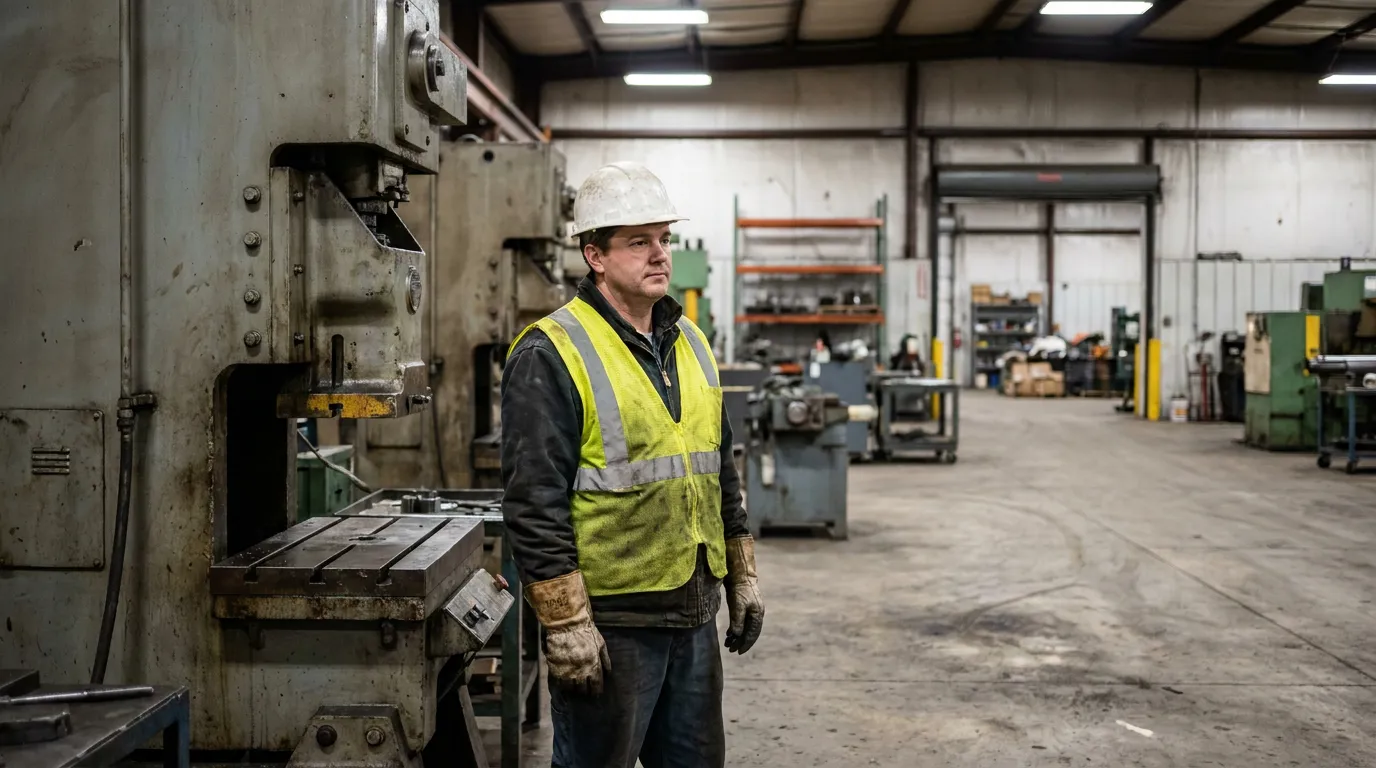
Nearly 20 West Virginia workers lost limbs on the job in a single reporting year, reflecting how dangerous the state’s heavy industries remain. Amputations rank among the most catastrophic workplace injuries, altering a person’s ability to earn a living, care for family, and move through daily life. Behind each number is a real person facing surgeries, prosthetics, rehabilitation, and a drastically changed future.
If you or someone you love has suffered an amputation on the job, the team at Robinette Legal Group PLLC is ready to help. Call us at 304-501-5753 or reach out through our confidential contact form to discuss your situation. Early guidance can make a meaningful difference in preserving evidence and meeting critical deadlines.
Understanding OSHA 1904.39 Amputation Reporting Rules
Federal regulations require employers to report severe workplace injuries quickly, and the osha 1904.39 amputation reporting rule sits at the center of that obligation. Under 29 C.F.R. § 1904.39, employers must report any work-related amputation to OSHA within 24 hours, along with in-patient hospitalizations and losses of an eye. This reporting duty helps regulators track dangerous conditions and often prompts inspections that uncover safety failures. For injured workers, these OSHA severe injury reports create a documented trail that becomes important later.
The osha 1904.39 amputation reporting requirement is separate from a workers’ compensation claim. Reporting an injury to OSHA does not secure benefits or damages for the worker, it is a compliance obligation placed on the employer, and the resulting records can help establish what the employer knew and when.
Why Amputation Statistics in WV Matter
Amputation statistics WV regulators collect reveal patterns in high-risk industries. West Virginia’s economy depends on coal mining, logging, drilling, construction, and power generation, all involving heavy machinery, moving parts, and unforgiving work environments. When roughly two dozen workers lose limbs in a single year, that figure points to recurring hazards like unguarded equipment, inadequate lockout procedures, and production pressure.
These West Virginia workplace amputations frequently trace back to preventable conditions. Recognizing the trend helps workers, families, and advocates push for safer practices and hold responsible parties accountable.
How West Virginia’s Workers’ Compensation System Treats Amputations
West Virginia generally channels workplace injuries, including amputations, through a no-fault workers’ compensation system rather than the courts. The Legislature designed this system to remove most workplace injury disputes from traditional tort processes. In exchange for guaranteed benefits regardless of fault, participating employers receive significant legal protection. Courts have described W. Va. Code § 23-2-6 as providing qualifying employers sweeping immunity from common-law tort liability for negligently caused work-related injuries. This trade-off means workplace injury claims usually flow through the compensation system, which covers medical treatment and a portion of lost wages but not the full range of damages a jury might award.
What Benefits the System Provides
Workers’ compensation gives injured employees faster access to medical and disability benefits after serious accidents. The system delivers expedited benefits including emergency care, surgery, and wage-replacement during recovery.
However, these benefits often fall short of covering the true cost of life-altering injuries. Prosthetic devices, long-term rehabilitation, home modifications, vocational retraining, and diminished earning capacity can far exceed what a standard claim pays. That gap is why many injured workers explore additional avenues of recovery.
When You May Be Able to Recover Beyond Workers’ Compensation
Employer immunity in West Virginia is broad, but not absolute. Courts have recognized limited exceptions allowing injured workers to pursue claims beyond the compensation system. One of the most significant is the "deliberate intention" exception found in W. Va. Code § 23-4-2, which withdraws immunity where injury or death results from the employer’s deliberate intention and permits a common-law cause of action for damages exceeding compensation benefits.
This standard is demanding and highly fact-dependent. The landmark decision in Mandolidis v. Elkins Industries helped shape modern deliberate-intent litigation. The Legislature has since established a far more exacting statutory standard: today a worker must prove either that the employer acted with a consciously, subjectively, and deliberately formed intention to produce the specific injury or death, or must satisfy all five elements of the statutory test in W. Va. Code § 23-4-2, and failing to prove even one element defeats the claim. You can read more about this framework in the West Virginia Law Review’s discussion of the state’s sweeping employer immunity doctrine.
Third-Party Liability as a Separate Path
Sometimes the party responsible for a workplace amputation is not the employer at all. Equipment manufacturers, subcontractors, property owners, and maintenance companies can all contribute to industrial accidents. When a defective machine or an outside company’s negligence causes harm, an injured worker may bring a claim against that third party in addition to receiving workers’ compensation benefits.
These claims can be significant because they are not limited by the compensation system’s benefit caps. To understand how these cases work, review how a WV attorney pursues third-party claims after a serious work injury. A skilled Morgantown amputation attorney will investigate every potential source of recovery.
💡 Pro Tip: Preserve the machine, tools, guards, and safety warnings involved in the incident if possible. Physical evidence often disappears quickly and can be central to proving a product defect or third-party negligence.
Deadlines That Can Permanently Affect Your Claim
Time limits in West Virginia injury cases are strict, and missing one can permanently close the door on recovery. For workers’ compensation, WV Code §23-4-15(a) requires that an application be filed within six months from the injury or death; otherwise, the right to compensation is forever barred.
Different rules apply to different claim types. For occupational disease claims other than occupational pneumoconiosis, WV Code §23-4-15(c) allows applications within three years from the last exposure to the occupational hazard or within three years from when a physician made the disease known to the employee. You can review the full text in the official West Virginia compensation deadline statute.
Civil claims, such as third-party lawsuits, follow separate deadlines. West Virginia generally applies a two-year statute of limitations to personal injury actions. Because these deadlines run on different clocks, acting promptly protects every available option.
Understanding the Full Scope of Damages After an Amputation
A catastrophic amputation creates costs that ripple across every part of a victim’s life. When a claim reaches beyond workers’ compensation, whether through a deliberate-intent action or a third-party lawsuit, the categories of recoverable damages expand considerably. An industrial accident lawyer works with medical, vocational, and financial professionals to quantify both current and future losses. In deliberate-intent cases, however, noneconomic damages are subject to statutory caps under West Virginia law.
Damages commonly at issue include:
- Healthcare costs, including emergency treatment, surgery, prosthetics, and lifelong rehabilitation
- Lost wages and diminished earning capacity
- Physical pain, emotional distress, and psychological toll
- Impact on independence, family roles, and quality of life
Every case turns on its own facts. A work injury lawyer West Virginia workers trust can evaluate whether your situation fits within a recognized exception and identify all potentially liable parties. For a broader overview, our page on West Virginia work injuries offers additional guidance.
Frequently Asked Questions
1. Does an OSHA amputation report guarantee I will receive compensation?
No, an OSHA report does not by itself secure benefits or damages. The osha 1904.39 amputation reporting duty requires employers to notify OSHA within 24 hours of a work-related amputation. While the resulting records can support your case, you must still pursue a workers’ compensation claim and, where applicable, a separate civil or deliberate-intent action to recover.
2. Can I sue my employer for a workplace amputation in West Virginia?
In most cases, employer immunity limits direct lawsuits, but exceptions exist. Under W. Va. Code § 23-2-6, qualifying employers generally receive broad protection from tort claims. However, W. Va. Code § 23-4-2 permits a claim where injury results from the employer’s deliberate intention, proved either by actual, specific intent to injure or by satisfying all five elements of the statute’s demanding test.
3. How long do I have to file a claim after a work injury?
The deadline depends on the type of claim. A workers’ compensation application generally must be filed within six months under WV Code §23-4-15(a), while civil personal injury actions typically follow West Virginia’s two-year limitations period. Prompt legal review is important.
4. What if a defective machine caused my amputation?
You may have a third-party claim in addition to workers’ compensation. When equipment manufacturers or outside contractors contribute to an injury, injured workers can sometimes pursue those parties for damages the compensation system does not cover. Preserving the equipment and related evidence strengthens these claims.
5. What damages might be available beyond medical bills?
Serious amputation cases can involve far more than emergency treatment costs. Depending on the legal path, recoverable damages may include future medical care, lost earning capacity, pain and suffering, and long-term impact on quality of life, subject to specific facts, applicable legal standards, and any statutory limits on noneconomic damages.
Protecting Your Future After a Catastrophic Injury
West Virginia’s high-risk industries continue to produce devastating amputations, and the path to fair recovery is rarely simple. Between the compensation system’s benefit limits, strict filing deadlines, and narrow exceptions allowing claims beyond workers’ compensation, injured workers face a complex legal landscape. Understanding how osha 1904.39 amputation reporting, employer immunity, and third-party liability interact can help you make informed decisions.
If you are facing life after a workplace amputation, the attorneys at Robinette Legal Group PLLC are prepared to review your case and explain your options. Call our team at 304-501-5753 or send us a message through our online case review request to take the next step toward protecting your rights and your recovery.

Jeffery Robinette was admitted to practice law in 1991 and is licensed in all levels of state and federal trial courts in West Virginia. Mr. Robinette is also licensed in all state and federal appeals courts in West Virginia and the United States Supreme Court. As a National Board Certified Trial Attorney who has handled hundreds of motor vehicle, injury, and construction defect claims and a leading author on insurance claims settlement issues and difficulties in West Virginia, Jeff Robinette is uniquely qualified to represent your best interest.