
The Hidden Dangers Construction Workers Face Across West Virginia
Key Takeaways: The OSHA Fatal Four are the four leading causes of death on construction sites: falls from heights, struck-by incidents, electrocutions, and caught-in/between accidents. Falls are the number one killer and the most frequently cited OSHA hazard, with West Virginia data showing that ladders and scaffolds, low-height falls, worker inexperience, and inadequate fall protection training all contribute to serious injuries. Struck-by, electrocution, and caught-in/between accidents round out the Fatal Four, each capable of causing crush injuries, severe burns, asphyxiation, and permanent disability. These hazards are largely preventable through measures like fall arrest systems, ground-fault protection, and proper trench shoring. For catastrophically injured workers, workers’ compensation is only a starting point, and third-party claims against negligent subcontractors, manufacturers, or property owners often unlock far greater compensation. If a preventable job-site hazard caused serious harm, an experienced West Virginia construction accident lawyer can pursue full accountability on your behalf.
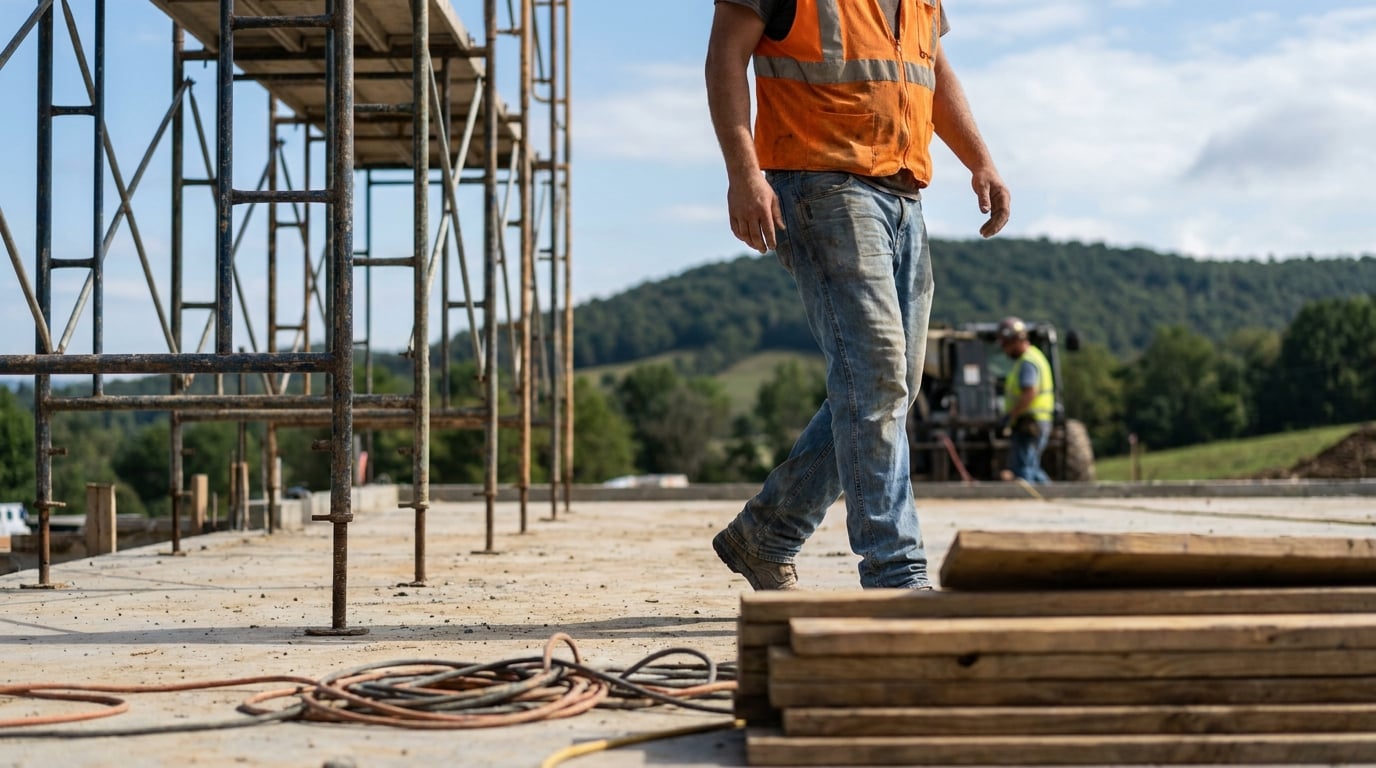
The OSHA Fatal Four are the four leading causes of death on construction sites: falls from heights, struck-by incidents, electrocutions, and caught-in/between accidents. These four categories, identified by OSHA as the Fatal Four hazards, include Electrocution, Falls From Heights, Struck-by, and Caught-in/Between. For workers in Morgantown and throughout the Mountain State, these hazards are not abstract statistics. They represent life-altering injuries such as traumatic brain injuries, crush injuries, amputations, and spinal trauma that can end a career and reshape a family’s future.
If you or a loved one suffered a catastrophic injury on a job site, the team at Robinette Legal Group PLLC is ready to help you understand your rights. Call us at 304-594-1800 or reach out through our secure contact form to discuss how a west virginia construction accident lawyer can pursue full accountability on your behalf.
Why the Fatal Four Matter So Much in Construction
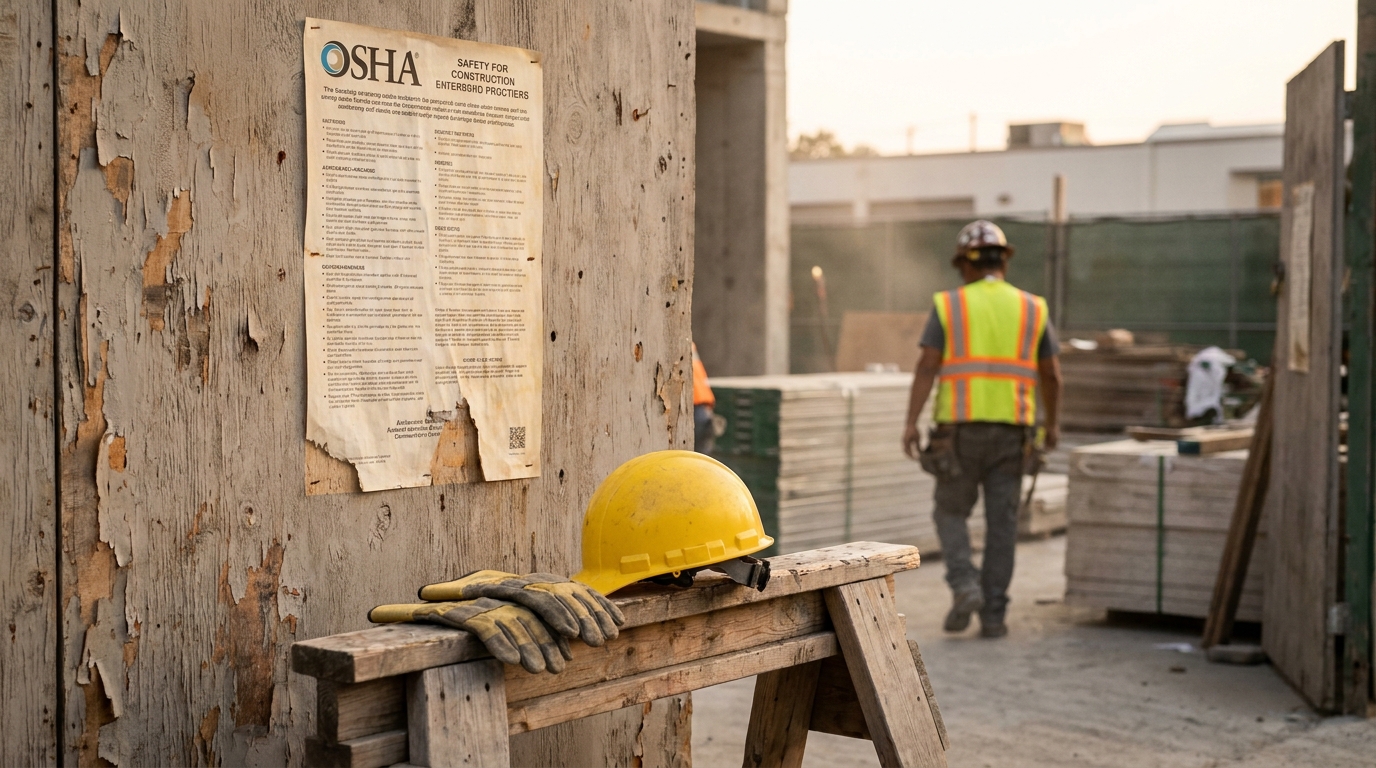
Construction remains one of the most dangerous industries in America, and the Fatal Four account for a large share of on-the-job deaths. According to OSHA, the construction industry has one of the highest rates of workplace injuries and deaths in the United States. Safety regulations have made meaningful progress over the decades, yet serious injuries continue to occur on sites where corners are cut.
The long-term trend shows that strong safety enforcement saves lives. Worker deaths in America are down, on average, from about 38 worker deaths a day in 1970 to 15 a day in 2023. Even with that progress, the toll remains significant. According to federal workplace fatality statistics, there were 5,283 fatal work injuries in 2023, equating to 3.5 fatalities per 100,000 full-time equivalent workers.
💡 Pro Tip: After any serious job-site injury, request a copy of the incident report and photograph the scene if you are able. Preserving evidence early often makes a meaningful difference when liability is later disputed.
Falls From Heights: The Number One Killer
Falls are the most frequently cited hazard in construction and a persistent danger on West Virginia sites. Fall Protection under 29 CFR 1926.501 is the most frequently cited OSHA standard in FY 2024, reinforcing that falls are a dominant construction hazard. Scaffolding deficiencies add to the risk, as Scaffolding standards under 29 CFR 1926.451 ranked among the most-cited standards in FY 2024.
A peer-reviewed look at West Virginia data underscores how common these incidents are locally. A study published in a medical research database analyzed nonfatal occupational falls from elevated work surfaces in the construction industry using West Virginia workers’ compensation and supplemental injury records. The findings are sobering. Ladders and scaffolds were involved in 50% of all falls among the 182 construction workers studied.
Many people assume that only high falls cause catastrophic harm, but the data tells a different story. Fifty-nine percent of the falls occurred from relatively low heights of 10 feet or less, where few safety regulations apply even though the potential for a serious injury still exists. Inexperience compounds the danger, too. One-third of injured workers had been employed in their occupation for two years or less. Separately, 60% of claimants had been employed with their current company for two years or less, and 26% had been employed with their current company for six months or less.
Training gaps frequently contribute to these construction falls in West Virginia. Fall protection devices were not commonly used by the 182 construction workers who worked from elevated surfaces, and approximately 63% of the claimants had received some type of fall protection training, meaning a significant share had received none. Recommended safeguards generally include the following measures:
- Wearing and using personal fall arrest equipment, and installing and maintaining perimeter protection.
- Covering floor openings and using ladders and scaffolds safely.
💡 Pro Tip: If your employer failed to provide fall protection equipment or training, document who was responsible. That evidence can support a third-party claim against a negligent contractor or equipment supplier.
The Other Three Hazards: Struck-By, Electrocution, and Caught-In/Between
Beyond falls, three additional categories complete the Fatal Four and each can cause devastating harm. Struck-by accidents involve workers hit by vehicles, falling objects, or swinging equipment. A struck-by accident on a construction site in WV can result in skull fractures, internal injuries, and permanent disability.
Electrocution Hazards on the Job Site
Electrocution remains a leading cause of construction deaths and severe burn injuries. Recommended precautions for an electrocution risk on a construction site in WV generally include several layered safeguards. These include locating and identifying utilities such as overhead power lines and underground wires before starting work, maintaining safe distances, using grounded or double-insulated tools, and always using ground-fault protection. When these steps are skipped, the consequences are often catastrophic.
Caught-In/Between Accidents and Trench Safety
Caught-in/between incidents include trench collapses and being pinned between equipment and fixed objects. These accidents can cause crush injuries and asphyxiation. Prevention requires protective systems for trenches five feet or deeper, including sloping, shoring, benching, or trench shield systems, and workers should never enter an unprotected trench or excavation five feet or deeper without adequate protective systems in place. To learn more about the full range of these claims, our overview of how we handle a serious work accident in West Virginia explains your options in plain language.
| Fatal Four Hazard | Common Injury Outcomes | Key Prevention Measure |
|---|---|---|
| Falls From Heights | TBIs, spinal injuries, fractures | Personal fall arrest systems |
| Struck-By | Crush injuries, internal trauma | Hard hats, exclusion zones |
| Electrocution | Severe burns, cardiac arrest | Ground-fault protection |
| Caught-In/Between | Crush injuries, asphyxiation | Trench shoring and shielding |
💡 Pro Tip: A nationally recognized safety resource, the Electrical Safety Foundation, maintains practical guidance on avoiding all four hazards. Reviewing it can help you understand whether your employer met basic industry standards.
How a West Virginia Construction Accident Lawyer Can Help
Workers’ compensation is generally the starting point, but it is rarely the full picture for catastrophic injuries. West Virginia’s workers’ compensation system is overseen by the WV Offices of the Insurance Commissioner, which provides guidance to insurance carriers, third-party administrators, and self-insured employers on handling claims. That administrative no-fault process is separate from a civil lawsuit, and it generally limits recovery to medical costs, statutory disability benefits, and a portion of lost wages without compensating for pain and suffering.
This is where third-party liability becomes critical for seriously injured workers. When a negligent party other than your employer contributed to your injury, such as a subcontractor, equipment manufacturer, or property owner, you may be able to file a separate claim. Our guide on how to file a third-party claim walks through how these cases work and why they often unlock far greater compensation than workers’ compensation alone.
A serious construction injury creates damages that extend well beyond a single hospital bill. Substantial healthcare costs accumulate quickly through emergency care, surgery, rehabilitation, and ongoing treatment. Many workers also face lost wages and diminished earning capacity, along with pain, emotional distress, and a lasting impact on quality of life. Identifying every available source of compensation, including third-party insurance policies, is part of building a complete claim.
💡 Pro Tip: Insurance adjusters may contact you quickly after an injury. You are generally not required to give a recorded statement before speaking with an attorney, and doing so can affect your claim.
Frequently Asked Questions
1. What should I do immediately after a construction injury in West Virginia?
Seek medical care first, then report the injury to your employer in writing. Prompt documentation supports both your workers’ compensation claim and any potential third-party action. Preserving photographs, witness names, and equipment details early can prove valuable later.
2. Can I sue someone other than my employer?
In many cases, yes, depending on who caused the accident. West Virginia’s workers’ compensation system generally grants your employer immunity from civil suit, except in narrow "deliberate intent" circumstances, but if a subcontractor, manufacturer, or property owner negligently contributed to your harm, a separate third-party claim may be available. These claims are fact-specific, and outcomes depend on the evidence and applicable law.
3. What is the deadline to file a claim?
Civil personal injury deadlines differ from administrative workers’ compensation deadlines, and courts generally interpret exceptions narrowly. West Virginia generally allows two years to file a personal injury lawsuit, and tolling or discovery rules may apply only in limited circumstances. Because missing a deadline can bar recovery, it is wise to consult counsel promptly.
4. Are OSHA violations relevant to my injury claim?
They can be, because documented OSHA violations construction WV records may help establish that a safety duty was breached. While an OSHA citation does not automatically prove liability in a civil case, it can serve as meaningful evidence. Courts may consider such violations alongside other proof.
5. What compensation might I recover?
Recovery may include medical expenses, lost earning capacity, and pain and suffering, subject to the facts of your case. Even high-value claims can be limited by an at-fault party’s policy maximum. An attorney can investigate additional coverage sources to maximize what you may recover.
Protecting Your Future After a Serious Job-Site Injury
The OSHA Fatal Four hazards continue to cause life-changing injuries on West Virginia construction sites, and understanding them is the first step toward protecting your rights. From construction falls and struck-by accidents to electrocution and caught-in/between incidents, each category carries the potential for permanent harm and substantial financial loss. Strong construction site safety standards exist for a reason, and when they are ignored, injured workers and their families bear the consequences. With a proven track record of advocating for injured workers, our firm is committed to thorough investigation and full accountability.
If a preventable hazard upended your life, the team at Robinette Legal Group PLLC is here to listen and help you pursue every avenue of recovery. Call 304-594-1800 today or send us a message through our online case review to take the next step toward protecting your future.

Jeffery Robinette was admitted to practice law in 1991 and is licensed in all levels of state and federal trial courts in West Virginia. Mr. Robinette is also licensed in all state and federal appeals courts in West Virginia and the United States Supreme Court. As a National Board Certified Trial Attorney who has handled hundreds of motor vehicle, injury, and construction defect claims and a leading author on insurance claims settlement issues and difficulties in West Virginia, Jeff Robinette is uniquely qualified to represent your best interest.