
Understanding How Stacked Auto Coverage Can Rebuild a Life After a Serious Crash
Key Takeaways: Insurance stacking can meaningfully increase compensation after a catastrophic Morgantown car accident by combining UM/UIM policy limits across multiple vehicles or policies. West Virginia recognizes both forms of stacking, though valid anti-stacking clauses may restrict it. The state’s modified comparative fault rule reduces recovery proportionally to your fault and bars recovery if your fault exceeds others’ combined fault. Each defendant is generally only severally liable, making stacked coverage essential, but a DUI exception imposes joint and several liability on drunk drivers. Punitive damage caps and a two-year filing deadline also affect total recovery. Working with a knowledgeable West Virginia car accident attorney early helps identify overlooked coverage and pursue full recovery.
Insurance stacking can meaningfully increase compensation for someone catastrophically injured in a Morgantown collision, but actual recovery depends on your coverage, the at-fault driver’s limits, and West Virginia’s fault rules. Stacking combines the limits of multiple UM/UIM policies or vehicles insured in one household to create a larger coverage pool. When surgery, rehabilitation, and permanent impairment push costs beyond a negligent driver’s minimum liability policy, that additional protection can mean the difference between partial and full recovery.
For victims facing life-altering injuries, understanding these options early is critical. If a distracted or drunk driver left you with serious harm, Robinette Legal Group PLLC is ready to review every coverage source. Call 304-501-5753 or use our secure contact form to discuss your situation.
What Insurance Stacking Actually Means in West Virginia
Insurance stacking combines the limits of multiple policies or vehicles to increase total coverage for a single claim. When the at-fault driver carries only minimum liability coverage, stacking your own UM/UIM coverage may provide access to additional funds.
Two common forms exist. Multi-vehicle stacking combines coverage across multiple vehicles you insure. Multi-policy stacking layers separate policies held by household members. Whether either applies depends on your policy language and any anti-stacking provisions.
| Stacking Type | How It Generally Works | When It May Apply |
|---|---|---|
| Multi-vehicle stacking | Combines UM/UIM limits across cars on one policy | Households insuring two or more vehicles |
| Multi-policy stacking | Layers limits from separate household policies | Family members with individual auto policies |
| No stacking permitted | Policy language bars combining limits | Where valid anti-stacking clauses exist |
💡 Pro Tip: Request a certified copy of every auto policy in your household before speaking with an adjuster. Coverage you did not know you had may still be available to a qualifying claim.
Why a West Virginia Car Accident Attorney Matters for Stacking
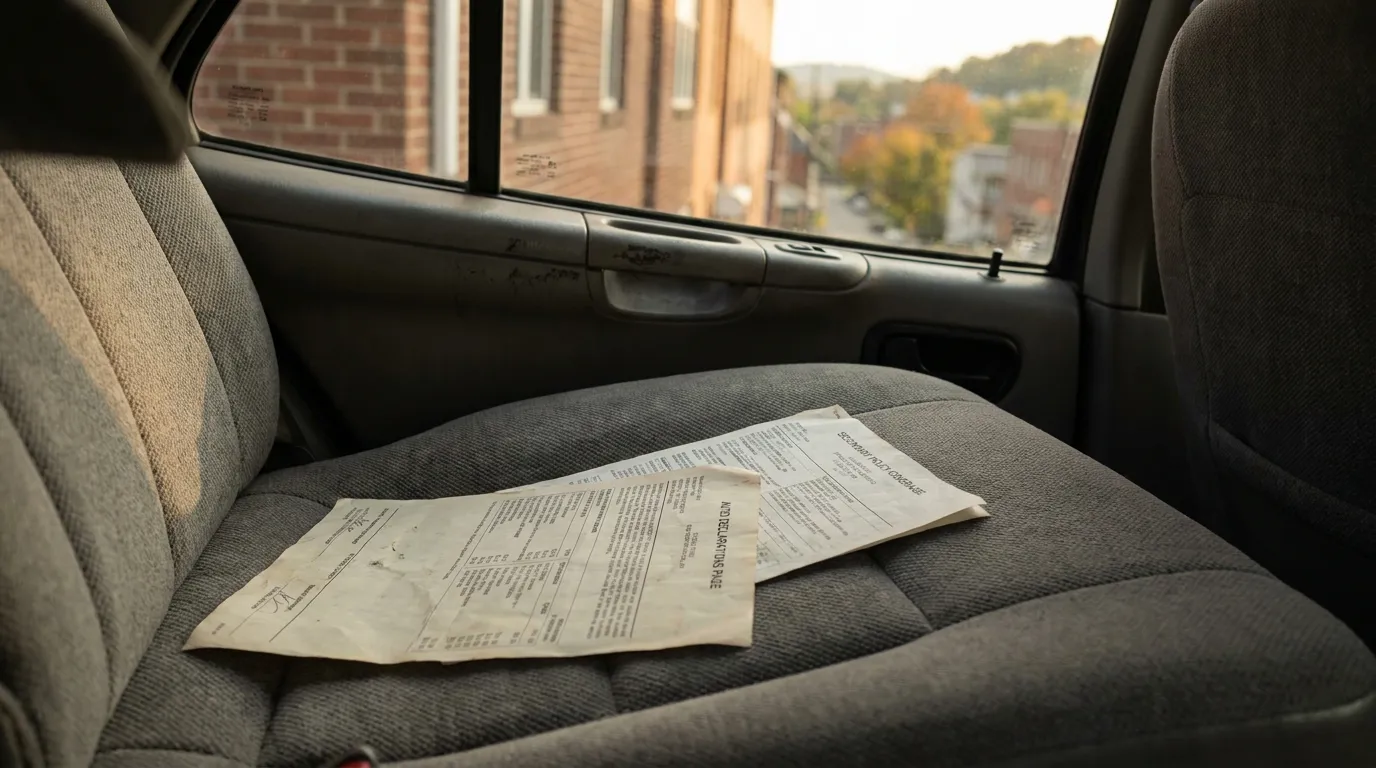
A knowledgeable west virginia car accident attorney can identify coverage sources victims frequently overlook. Anti-stacking clauses are often written to discourage claimants from pursuing every dollar available. Reviewing declarations pages, endorsements, and household relationships requires expertise, and policy language distinctions can change outcomes.
Because insurers focus on limiting payouts, having a proven advocate levels the field. Robinette Legal Group PLLC has earned a respected reputation across Morgantown for handling serious injury claims. Our attorneys pursue every legitimate avenue for maximizing crash compensation Morgantown families depend on.
Attorneys also document the full scope of harm, from emergency care and surgery to future treatment and diminished earning capacity. Working with a West Virginia car accident lawyer early preserves evidence and coverage options that can erode quickly after a crash.
💡 Pro Tip: Notify every potentially applicable insurer in writing promptly. Delays in giving notice can, under certain circumstances, jeopardize a UM/UIM claim.
How West Virginia’s Modified Comparative Fault Rule Affects Recovery
Even with stacked coverage, your own fault share can reduce what you collect. West Virginia follows a modified comparative fault standard under modified comparative fault, W. Va. Code §55-7-13a. Under W. Va. Code §55-7-13b, "fault" means an act or omission proximately causing injury, expressed as a percentage.
Recovery is allocated proportionally to each person’s responsibility. W. Va. Code §55-7-13c(a) provides that liability for compensatory damages is several only, allocated to each defendant in direct proportion to their percentage of fault. Jury fault findings directly shape how much available coverage you can claim.
An important threshold can bar recovery entirely. Under W. Va. Code §55-7-13c(c), a plaintiff’s fault does not bar recovery unless it exceeds the combined fault of all others; otherwise recovery is reduced proportionally. This differs from pure comparative negligence systems, and the modified rule bars recovery once a plaintiff crosses the threshold.
These outcomes are highly fact dependent. Fault percentages are decided by the factfinder, and parties often dispute them. Treat any fault estimate as preliminary until facts are fully developed.
Several Liability, DUI Exceptions, and Uncollectible Judgments
In West Virginia, each defendant is generally responsible only for their own damage share. Under W. Va. Code §55-7-13c(a), liability for compensatory damages shall be several only, not joint, with each defendant liable in direct proportion to their fault percentage. This is why stacking additional coverage often becomes necessary.
An important exception applies when a drunk driver causes injuries. W. Va. Code §55-7-13c(h) provides that a defendant whose conduct constitutes driving under the influence and proximately causes damages shall be jointly and severally liable. For victims struck by an impaired driver, this exception meaningfully expands recovery options.
The law also addresses uncollectible judgments. Under W. Va. Code §55-7-13c(d), a plaintiff unable to collect from a liable defendant despite good-faith efforts may, not later than one year after judgment becomes final, move for reallocation among other liable parties. However, the court may not reallocate to any defendant more than that defendant’s fault percentage multiplied by the uncollectible amount, and no reallocation is permitted against a defendant whose fault percentage equals or is less than the plaintiff’s.
💡 Pro Tip: If you were hit by an impaired driver, preserve the police report, chemical test results, and any criminal case records. These documents can support both the DUI liability exception and a punitive damages claim.
The Full Scope of Damages in a Catastrophic Crash Claim
Serious collisions produce losses extending far beyond a totaled vehicle. Victims face overlapping harm categories, and documenting each supports full recovery. Even high-value claims may be capped by the at-fault party’s policy maximum, making UM/UIM and stacked coverage identification critical.
Serious injury claims commonly address:
- Emergency care, hospitalization, surgery, and ongoing rehabilitation costs
- Future medical treatment and long-term care needs
- Lost wages and diminished earning capacity
- Pain, suffering, emotional distress, and reduced quality of life
West Virginia law limits certain damages. Under W. Va. Code §55-7-29, punitive damages are limited to four times compensatory damages or $500,000, whichever is greater, requiring clear and convincing evidence of actual malice or reckless indifference. If your losses exceed a single policy, learning how an attorney can maximize an underinsured motorist claim may be valuable.
Deadlines apply to every West Virginia auto insurance claim. Under W. Va. Code §55-2-12(b), a personal action for damages for personal injuries must be brought within two years after the right accrued. Courts interpret exceptions narrowly, and tolling or discovery rules apply only in limited circumstances. Insurer notice requirements are separate and can be much shorter.
💡 Pro Tip: Keep a dated journal documenting your pain levels, missed work, and daily limitations. Contemporaneous records often strengthen the non-economic portion of a Morgantown injury claim.
Frequently Asked Questions
1. Does West Virginia allow insurance stacking after a car accident?
Stacking may be available depending on your policy language and household coverage. Combining UM/UIM limits across multiple vehicles or policies can increase available funds, though valid anti-stacking clauses may limit it.
2. Can I still recover if I was partly at fault for the crash?
In many cases, yes, if your fault does not exceed others’ combined fault. Under W. Va. Code §55-7-13c(c), recovery is reduced proportionally to your fault percentage.
3. What happens if the at-fault driver’s insurance is not enough?
Stacked UM/UIM coverage and other sources may fill the gap. West Virginia also permits reallocation of uncollectible amounts among other liable parties under W. Va. Code §55-7-13c(d) within one year after judgment becomes final.
4. How long do I have to file a car accident injury claim?
West Virginia generally sets a two-year deadline under W. Va. Code §55-2-12(b). Courts apply exceptions narrowly, and insurer notice deadlines can be far shorter.
5. Does being hit by a drunk driver change my recovery options?
Yes, because W. Va. Code §55-7-13c(h) imposes joint and several liability on an impaired driver whose conduct proximately causes injuries. This exception may expand your ability to recover full damages.
Protecting Your Recovery After a Life-Changing Morgantown Collision
Insurance stacking can significantly increase recovery when catastrophic injuries exceed a single policy, but the benefit depends on your coverage, fault allocation, and West Virginia’s statutory framework. Between the modified comparative fault standard, several liability, the drunk-driving exception, and firm filing deadlines, these claims involve layered legal questions rewarding careful preparation. A trusted west virginia car accident attorney can help locate additional coverage, document losses fully, and pursue the compensation your recovery requires.
You do not have to navigate insurers alone while healing from serious injuries. Reach out to Robinette Legal Group PLLC for a review of your options, or explore our resources for a Morgantown car accident claim. Call 304-501-5753 today or use our online contact page to get started.

Jeffery Robinette was admitted to practice law in 1991 and is licensed in all levels of state and federal trial courts in West Virginia. Mr. Robinette is also licensed in all state and federal appeals courts in West Virginia and the United States Supreme Court. As a National Board Certified Trial Attorney who has handled hundreds of motor vehicle, injury, and construction defect claims and a leading author on insurance claims settlement issues and difficulties in West Virginia, Jeff Robinette is uniquely qualified to represent your best interest.