
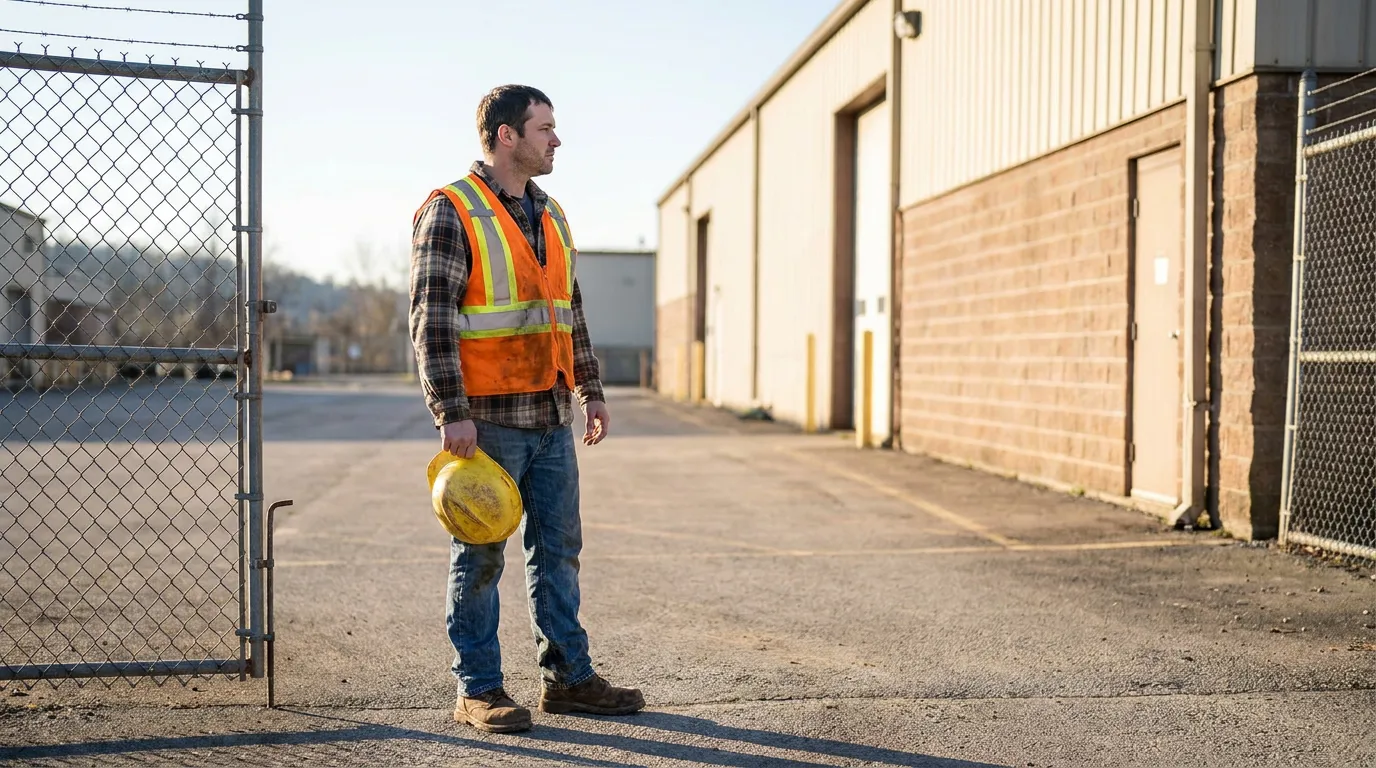
Your Right to Speak Up About Dangerous Conditions in Morgantown
Key Takeaways: In general, a Morgantown employer cannot lawfully fire you for reporting a safety hazard to OSHA. Section 11(c) of the OSH Act prohibits retaliation such as firing, demotion, reduced hours, or denied promotions. Workers fired for reporting to OSHA generally have only 30 days to file a retaliation complaint. Miners covered by the Mine Act generally have 60 days. West Virginia is an at-will state, but a Harless public policy claim may also support a separate civil lawsuit for wrongful discharge. State law also generally protects injured workers who seek workers’ compensation benefits from discrimination. If the hazard you reported later caused a serious injury, your documented complaint may help support a deliberate intent claim.
In general, no: a Morgantown employer cannot lawfully fire you for reporting a safety hazard to OSHA. Federal law generally protects workers who file safety complaints, take part in inspections, or testify about violations. West Virginia law may also protect them. Many workers report hazards only after they or a coworker are seriously hurt, and then worry about losing the paycheck their family depends on. If you were fired for reporting to OSHA, you may have legal options, and if you were also injured on the job, you may have other claims as well.
If you were injured at work and then lost your job after speaking up, you do not have to work out your next steps by yourself. Robinette Legal Group PLLC helps injured West Virginia workers understand their rights and protect their claims. Call 304-501-5753 or contact us now to talk about your situation.
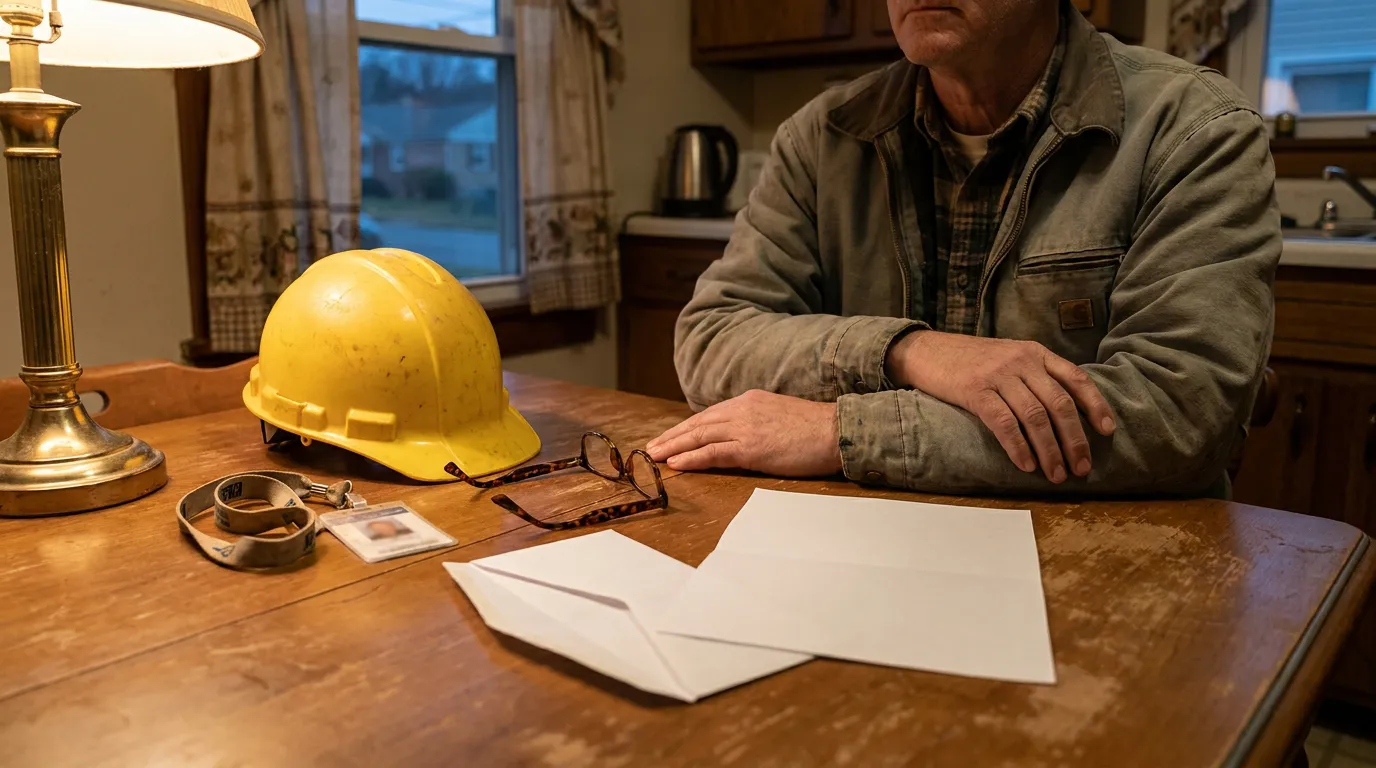
How Federal Law Protects Workers Who Report Hazards
Section 11(c) of the Occupational Safety and Health Act, codified at 29 U.S.C. § 660(c), makes it illegal for employers to retaliate against employees who report safety or health hazards. This protection applies to most private-sector workers nationwide, including in West Virginia. It generally does not cover state and local government employees, and federal employees are covered by separate rules. OSHA’s regulations appear at 29 C.F.R. Part 1977.
What Counts as Protected Activity
Under OSHA’s guidance and 29 C.F.R. Part 1977, protected activity generally includes these actions:
- Filing a safety or health complaint with OSHA
- Participating in an OSHA inspection, including speaking with inspectors
- Testifying in any proceeding related to an OSH Act violation
- Reporting a work-related injury or illness, which OSHA treats as protected in many cases
Not every workplace complaint qualifies, so the details matter. OSHA’s regulations also generally protect good-faith safety complaints made to your employer, not only to OSHA. Whether your conduct was protected may depend on what you reported, who you reported it to, and how. OSHA’s whistleblower rights overview explains these protections and lists the federal statutes the agency enforces.
What Employer Retaliation Can Look Like
Retaliation is not limited to firing. It can include laying you off, demoting you, denying you overtime or a promotion, or cutting your hours because you made a safety report. Some employers disguise retaliation as a "performance issue" or a "restructuring." When adverse treatment follows soon after a complaint, the timing may help show a connection, though timing alone does not always prove a claim.
💡 Pro Tip: Write down the dates of your report, any inspection, and every change in how your employer treated you afterward. A clear timeline is often one of the strongest tools in a retaliation case.
What Happens If You Were Fired for Reporting to OSHA
If you were fired for reporting to OSHA, the first and most urgent step is to check the filing deadline. Under Section 11(c), a worker generally must file a retaliation complaint with OSHA within 30 days of the retaliatory action. Extensions are available only in limited circumstances, so do not count on one.
How OSHA Investigates Retaliation Complaints
OSHA investigates whistleblower complaints filed under the OSH Act’s anti-retaliation provisions. You can usually file orally or in writing, and no particular form is required. If OSHA finds merit and the case is not settled, the Secretary of Labor may sue the employer in federal district court. The individual worker generally cannot bring that lawsuit. Remedies a court may order include reinstatement, back pay, and other appropriate relief, which may include compensatory and sometimes punitive damages.
Different Rules for Different Industries
Workers in some industries have separate federal protections with different deadlines. Coal and other miners in the Morgantown area, for example, may be covered by Section 105(c) of the Federal Mine Safety and Health Act, 30 U.S.C. § 815(c). Those complaints generally must be filed with the Mine Safety and Health Administration (MSHA), not OSHA, within 60 days. Deadlines under the federal whistleblower laws OSHA enforces generally range from 30 to 180 days, so identify the correct law early.
| Protection | Who It Generally Covers | Typical Filing Deadline |
|---|---|---|
| OSH Act § 11(c), 29 U.S.C. § 660(c) | Most private-sector workers | 30 days (administrative complaint) |
| Mine Act § 105(c), 30 U.S.C. § 815(c) | Miners | 60 days (administrative complaint) |
| Harless public policy claim (W. Va.) | West Virginia employees | Civil statute of limitations; fact-dependent |
Whistleblower Protection in WV Beyond Federal Law
West Virginia is an at-will employment state, so employers can generally end employment for any reason unless a legal exception applies. Retaliation for protected activity may be one of those exceptions. A summary of West Virginia employment law describes how at-will rules interact with whistleblower and public policy protections.
The West Virginia Supreme Court of Appeals recognized a wrongful discharge claim based on public policy in Harless v. First National Bank in Fairmont, 162 W. Va. 116, 246 S.E.2d 270 (1978). To succeed, a worker generally must identify a substantial public policy, such as one found in a statute or regulation, that the firing violated. West Virginia’s own workplace safety laws may supply that policy. A Harless claim is a civil lawsuit separate from the OSHA administrative process, with its own deadlines, which often run two years. Choosing a path may affect the other, so strategy matters. Public employees may also have claims under the West Virginia Whistle-blower Law, W. Va. Code § 6C-1-1 et seq.
West Virginia also protects injured workers who seek workers’ compensation benefits. Under W. Va. Code § 23-5A-1, employers may not discriminate against employees because they receive or try to receive compensation benefits. Under W. Va. Code § 23-5A-3(a), an employer generally may not terminate an injured worker who is off work due to a compensable injury and receiving or eligible for temporary total disability benefits, with limited exceptions.
When the Hazard You Reported Caused Serious Injury
For many workers, the retaliation question comes up alongside a much larger one: who pays for a life-changing injury? If a hazard you reported later caused a crush injury, amputation, traumatic brain injury, or occupational disease, your prior report may become important evidence. Workers’ compensation is usually the main remedy against an employer. West Virginia’s deliberate intent statute, W. Va. Code § 23-4-2(d)(2), however, may allow a lawsuit outside the comp system in limited circumstances. The worker must prove every statutory element, including that a specific unsafe working condition violated a safety statute, rule, regulation, or industry standard, and that the employer had actual knowledge of the condition and its high degree of risk but still intentionally exposed the worker to it. A documented safety complaint may help prove that knowledge.
A serious injury claim may seek losses beyond what workers’ compensation covers. Depending on the claim, recoverable damages may include:
- Medical costs, including emergency care, hospitalization, surgery, physical therapy, and future treatment
- Lost wages and diminished future earning capacity
- Pain and suffering, emotional distress, and loss of quality of life
Insurance limits and offsets can affect how much you ultimately recover. Deliberate intent recoveries are offset by workers’ compensation benefits, and noneconomic damages are capped by statute. An attorney may look for additional sources of compensation, such as third-party claims against contractors, equipment manufacturers, or property owners. Learn more about how our work accident lawyers investigate these claims.
💡 Pro Tip: Keep copies of any safety complaints, emails, photos, and inspection paperwork outside your employer’s systems. If you lose your job, you may also lose access to company accounts.
Protecting Your Morgantown Employment Rights Starting Today
Acting quickly can make a significant difference in your claim. Preserve your evidence, write down witnesses’ names, keep your termination paperwork, and continue any medical treatment you need. Avoid signing a severance agreement or release before you understand what rights you may be giving up. For more guidance, explore our West Virginia injury resources.
Frequently Asked Questions
1. Can I be fired for reporting to OSHA anonymously?
Retaliation is generally still illegal under Section 11(c) if your employer learns of your report or suspects you made it. You would generally need to show that the employer knew or believed you engaged in protected activity.
2. What is the deadline to file an OSHA retaliation complaint?
Under the OSH Act, the deadline is generally 30 days from the retaliatory action. Other statutes may allow longer periods, and state civil claims have separate limitations periods.
3. Does West Virginia’s at-will rule mean my employer can fire me for any reason?
Not for any reason. Firing someone in retaliation for a safety report may violate federal law. It may also support a Harless public policy claim if the firing violated a substantial public policy.
4. Can I sue my employer for an injury caused by a hazard I reported?
Possibly. Workers’ compensation is usually the exclusive remedy, but W. Va. Code § 23-4-2(d)(2) may allow a deliberate intent lawsuit if you can prove the statute’s strict elements. Third parties may also be liable.
5. What remedies are available for OSHA retaliation?
If retaliation is proven, remedies may include reinstatement, back pay, and other appropriate relief, which may include compensatory damages. Outcomes depend on the facts of each case.
Standing Up for Safety Should Not Cost You Your Livelihood
Federal and West Virginia law generally protect Morgantown workers who report safety hazards, but these protections come with short deadlines and complicated rules. Section 11(c) may provide administrative relief, West Virginia’s public policy doctrine may support a civil claim, and an injury connected to the reported hazard may lead to additional claims. Every case depends on its specific facts, so an early review is important.
If you were injured at work and fired for reporting to OSHA, speak with a team that focuses on injured workers. Robinette Legal Group PLLC can review your situation and explain your options. Call 304-501-5753 or schedule your consultation today.
Disclaimer: This content is for informational purposes only and is not legal advice. Every case is unique, and results may vary. Consult an attorney about your specific circumstances.

Jeffery Robinette was admitted to practice law in 1991 and is licensed in all levels of state and federal trial courts in West Virginia. Mr. Robinette is also licensed in all state and federal appeals courts in West Virginia and the United States Supreme Court. As a National Board Certified Trial Attorney who has handled hundreds of motor vehicle, injury, and construction defect claims and a leading author on insurance claims settlement issues and difficulties in West Virginia, Jeff Robinette is uniquely qualified to represent your best interest.