
A Financial Safety Net for Morgantown Truck Crash Victims
Key Takeaways: An MCS-90 endorsement can help a Morgantown truck crash victim recover compensation when a motor carrier’s primary insurance is missing, insufficient, or disputed, acting as a federally mandated financial backstop under the Motor Carrier Act of 1980. Because it protects the public rather than the carrier, the endorsement may obligate an insurer to pay an injured party up to the federal minimum when the underlying policy fails to respond. This protection is especially valuable in West Virginia, where modified comparative fault under §55-7-13a bars recovery for plaintiffs 50 percent or more at fault, and several liability limits each defendant to its own share of damages. Serious truck crashes often generate medical expenses, lost earning capacity, pain and suffering, and wrongful death losses that exceed a single policy’s limits, making every source of coverage essential.
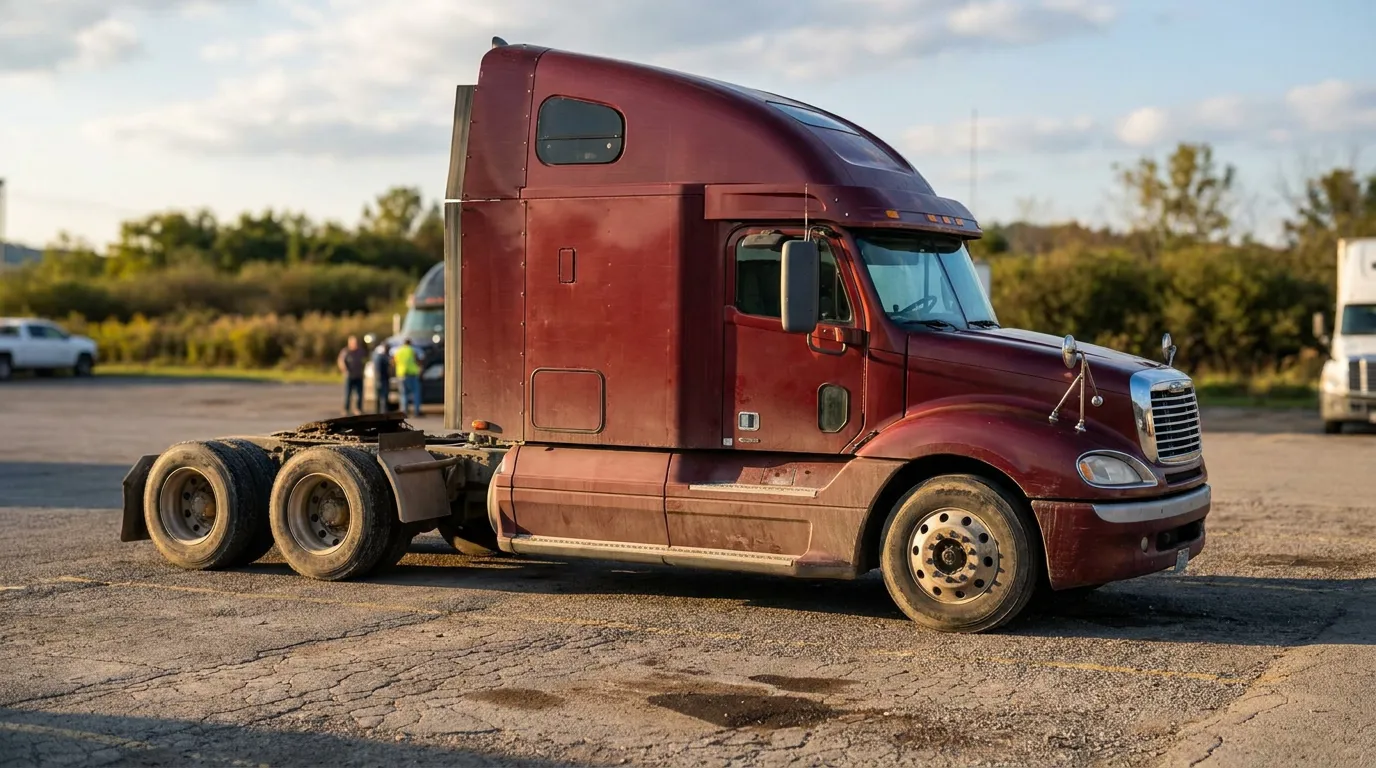
When a fully loaded commercial truck causes a catastrophic collision, the injuries are often life-altering and the medical bills staggering. An MCS-90 endorsement can help a Morgantown truck crash victim recover compensation when a motor carrier’s primary insurance is missing, insufficient, or disputed. This federal instrument functions as a financial backstop, ensuring that a truck accident claim does not collapse because the trucking company’s coverage falls short. For a family facing surgery, rehabilitation, and lost income after a devastating truck accident in Morgantown, West Virginia, understanding this protection can be an important first step toward accountability.
Robinette Legal Group PLLC helps seriously injured victims and grieving families across West Virginia pursue full and fair recovery. If a commercial truck has upended your life, you do not have to face the trucking company and its insurers alone. Call 304-501-5753, reach out through the firm’s online case review form, or learn more about your rights with the team at Robinette Legal Group PLLC today.

Understanding the MCS-90 Endorsement in Federal Law
The MCS-90 endorsement is a federally mandated instrument created under the Motor Carrier Act of 1980. The endorsement was designed to guarantee that motor carriers maintain a minimum level of financial responsibility so injured members of the public are not left without a source of recovery. You can read a detailed scholarly discussion of the endorsement under federal motor carrier law for additional background.
How the Endorsement Backs Up Commercial Truck Insurance
In practical terms, the endorsement operates as a safety net attached to a carrier’s commercial truck insurance policy. If the underlying policy does not cover a particular loss, or if a coverage dispute arises, the insurer may still be obligated to pay an injured party up to the federal minimum. This FMCSA financial responsibility framework exists to protect the public, not the carrier, reflecting a policy choice that injured people should have a meaningful path to compensation.
Why This Coverage Matters in High-Value Injury Cases
Serious truck crashes frequently generate damages that exceed what a victim first assumes is available. Even a substantial policy can be eroded by disputes over exclusions, lapses, or questions about whether a particular trip was covered, and that is where the endorsement can preserve a recovery. An experienced West Virginia truck accident attorney can evaluate whether the endorsement applies and how it interacts with any other available coverage.
💡 Pro Tip: Preserve every document you receive after a crash, including the police report, insurance correspondence, and the truck’s identifying information. These details help your legal team trace all layers of coverage, including any endorsement that may apply.
How West Virginia Law Shapes Your Truck Crash Claim
West Virginia Code Chapter 55, Article 7 governs civil "Actions for Injuries" and establishes the statutory foundation for personal injury claims in state court. A Morgantown truck crash victim generally pursues recovery under this framework. Because federal endorsements and state tort law operate together, understanding both layers is essential.
Comparative Fault and Several Liability
West Virginia applies a modified comparative fault standard under W. Va. Code §55-7-13a. Fault is allocated by percentage among all responsible persons, and under §55-7-13a, the allocated percentages must total either zero or one hundred percent. Critically, a plaintiff found 50 percent or more at fault generally cannot recover, a limitation created through the 2015 tort reform that added §§55-7-13a through 13d. Under §55-7-13d, the burden of proving comparative fault rests on the party asserting it.
West Virginia has also abolished joint liability in favor of several liability. Each defendant is generally responsible only for damages in direct proportion to that defendant’s own percentage of fault. This makes supplemental recovery mechanisms, such as an MCS-90 endorsement, especially relevant, because a victim may need to identify every available source of motor carrier liability coverage to be made whole.
When a Claim Survives a Death
Under West Virginia law, causes of action for personal injuries and property damage generally survive. W. Va. Code §55-7-8a(a) provides that causes of action for injuries to the person not resulting in death also survive, and such actions may be brought notwithstanding the death of the person entitled to recover or the person liable. In addition, §55-7-8 provides for personal injury actions where injuries result in death, and §55-7-9 addresses liability arising from the violation of statutes, which can support negligence-per-se arguments when a trucker or carrier violates safety regulations.
Important limitations apply to these survival rules. W. Va. Code §55-7-8a(f) states that nothing in the section extends the time to bring an action for any other tort, nor makes an otherwise non-assignable tort claim assignable. Courts generally interpret such provisions narrowly, and any statute of limitations, tolling argument, or discovery rule may apply only in limited circumstances. Confirm the applicable civil limitation period with counsel rather than assuming an extension is available.
The Full Scope of Damages in a Serious Truck Crash
Truck crash compensation in a significant injury case often reaches far beyond a single hospital bill. When a commercial truck causes catastrophic harm, the true measure of loss unfolds over months or years. The core civil-liability concepts that frame recovery include liability, negligence, damages, and the statute of limitations, terms explained in a helpful glossary of West Virginia civil justice terms maintained by a respected statewide organization.
Victims and families should understand the range of damages that may be recoverable:
- Medical expenses, including emergency care, hospitalization, surgery, physical therapy, and future ongoing treatment
- Lost wages and diminished earning capacity when a permanent injury prevents a return to prior work
- Pain and suffering and emotional distress, reflecting the lasting toll on daily life
- Loss of quality of life, including the inability to enjoy activities and relationships as before
- Wrongful death damages for surviving family members in fatal crash cases
Even a strong claim can run into the ceiling of an at-fault party’s policy limits. This is precisely why identifying additional compensation sources matters, whether through underinsured coverage, third-party liability, or the federal endorsement backing a carrier. An attorney who investigates promptly can preserve evidence, retain qualified professionals to reconstruct the crash, and counter insurer tactics designed to undervalue a legitimate truck accident claim.
💡 Pro Tip: Keep a personal journal documenting pain levels, missed work, and daily limitations after the crash. This contemporaneous record can become powerful evidence of how your injuries affect your life.
Common Challenges When Pursuing Recovery
Holding a trucking company accountable is rarely straightforward. Carriers and their insurers often have rapid-response teams working to limit exposure within hours of a crash, which can put an unrepresented victim at a disadvantage.
Several recurring challenges tend to surface in serious truck accident cases:
- Disputes over which coverage layer applies, including whether an endorsement is triggered
- Aggressive comparative fault arguments intended to push a victim toward the 50 percent bar
- Missing or overwritten electronic logs, telematics, and maintenance records
- Multiple potential defendants, from the driver to the carrier to a maintenance contractor
Working with counsel who understands both federal and state layers can make a measurable difference. Because West Virginia’s several liability framework spreads responsibility across defendants, tracing every source of coverage is often essential to a full recovery. The firm explains how to file a lawsuit against a trucking company in West Virginia, and a knowledgeable West Virginia truck accident attorney can tailor that process to your circumstances.
Frequently Asked Questions
1. Does an MCS-90 endorsement pay me directly?
Not exactly. The endorsement obligates the insurer to satisfy a judgment for public injuries up to the federal minimum when other coverage does not respond, subject to its terms. Whether it applies depends on the policy language and the specific facts, so an attorney should review your case.
2. What if the truck driver was more at fault than me?
West Virginia uses modified comparative fault under §55-7-13a. You may recover as long as you are found less than 50 percent at fault, though your award is reduced by your own percentage of fault. The party asserting comparative fault carries the burden of proving it under §55-7-13d.
3. Can my family still bring a claim if my loved one died after the crash?
In many cases, yes. Under §55-7-8a, many causes of action survive, and §55-7-8 addresses personal injury actions where injuries result in death. Prompt legal guidance is important.
4. How long do I have to file a truck accident claim in West Virginia?
A civil statute of limitations applies, and courts interpret exceptions narrowly. Any tolling or discovery rule may apply only in limited circumstances, and §55-7-8a(f) does not extend the deadline for other torts. Confirm your specific deadline with an attorney as early as possible.
5. Why do I need a lawyer for a commercial truck insurance dispute?
Trucking coverage often involves overlapping federal and state rules. Determining whether an endorsement, an underlying policy, or additional third-party coverage applies requires careful investigation. Experienced counsel can identify every source of recovery and push back against efforts to undervalue your claim.
Protecting Your Right to Recover After a Devastating Truck Crash
An MCS-90 endorsement can be a crucial tool for a Morgantown truck crash victim seeking full and fair compensation. Combined with West Virginia’s tort framework under Chapter 55, Article 7, this federal protection may help ensure that catastrophic medical costs, lost earning capacity, and profound pain and suffering do not go uncompensated because a carrier’s primary insurance falls short. The interaction between federal financial responsibility rules and state comparative fault law can be complex, which is why timely, knowledgeable representation matters.
You should not have to navigate motor carrier liability disputes while recovering from a life-altering injury. The team at Robinette Legal Group PLLC is trusted by injured West Virginians and recognized for its dedicated legal service to serious injury and wrongful death clients. Call 304-501-5753 or request your free, confidential case consultation online today to learn how the firm can help you pursue the recovery you deserve.

Jeffery Robinette was admitted to practice law in 1991 and is licensed in all levels of state and federal trial courts in West Virginia. Mr. Robinette is also licensed in all state and federal appeals courts in West Virginia and the United States Supreme Court. As a National Board Certified Trial Attorney who has handled hundreds of motor vehicle, injury, and construction defect claims and a leading author on insurance claims settlement issues and difficulties in West Virginia, Jeff Robinette is uniquely qualified to represent your best interest.