
The Regulatory Gap That Still Puts West Virginia Drivers at Risk
Key Takeaways: No federal rule requires side underride guards on semi trailers in 2026, because NHTSA rulemaking has produced studies, advance notices, and comment periods rather than a binding equipment standard, largely over cost, weight, and retrofit disputes. Federal law regulates rear impact guards under FMVSS 223 and 224, but leaves trailer sides essentially unregulated, and compliance with those minimum standards does not by itself defeat a negligence or product liability claim. Because there is no federal side guard standard, and federal motor vehicle safety law generally preserves common-law claims, West Virginia underride claims typically proceed under ordinary negligence and product liability principles against drivers, carriers, manufacturers, maintenance contractors, or shippers. Violations of other federal motor carrier rules, such as hours-of-service, maintenance, and conspicuity requirements, can supply documentary evidence that shapes these cases. West Virginia’s modified comparative fault statute reduces recovery in proportion to the injured person’s fault and bars recovery if that fault is greater than the combined fault of all other parties, and most personal injury claims must generally be filed within two years under W. Va. Code §55-2-12. Early evidence preservation, identification of all insurance sources, and expert reconstruction and life care testimony can significantly influence the outcome.
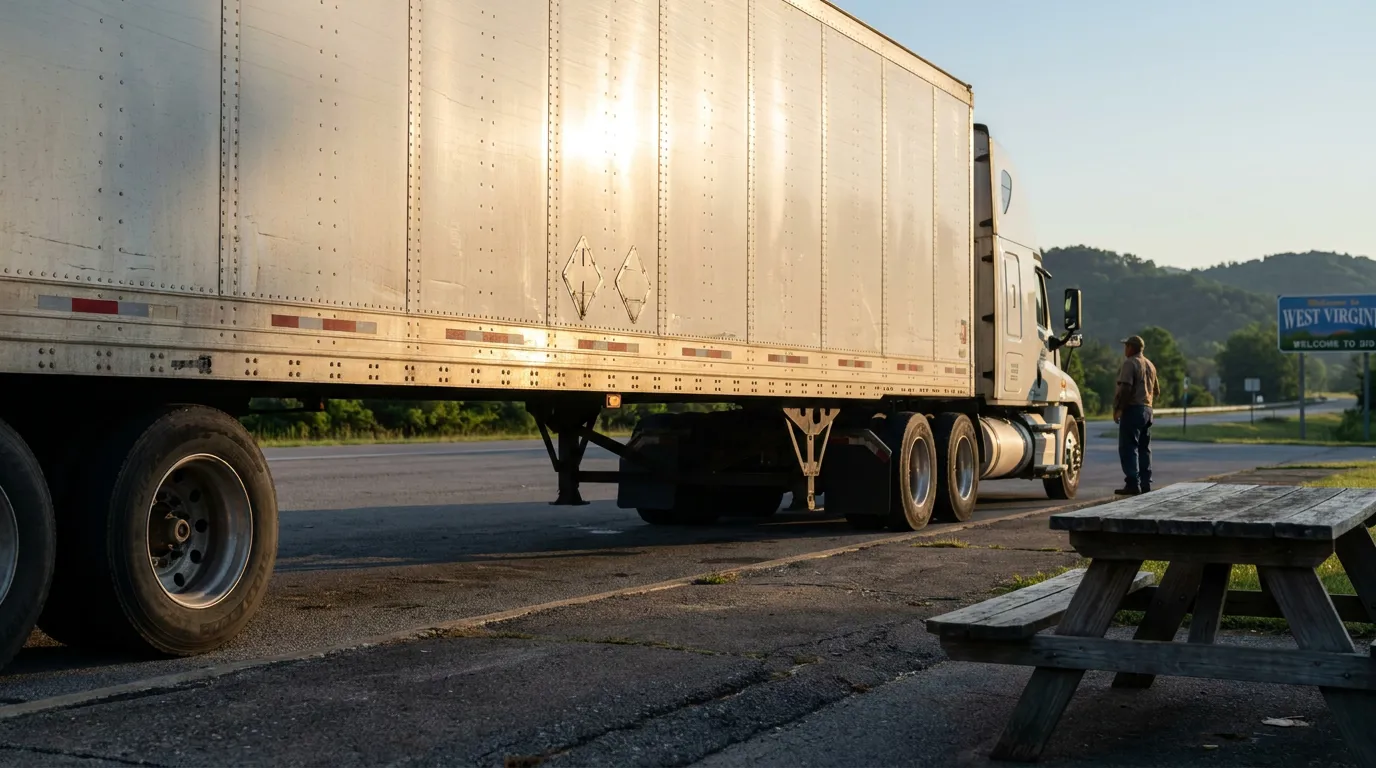
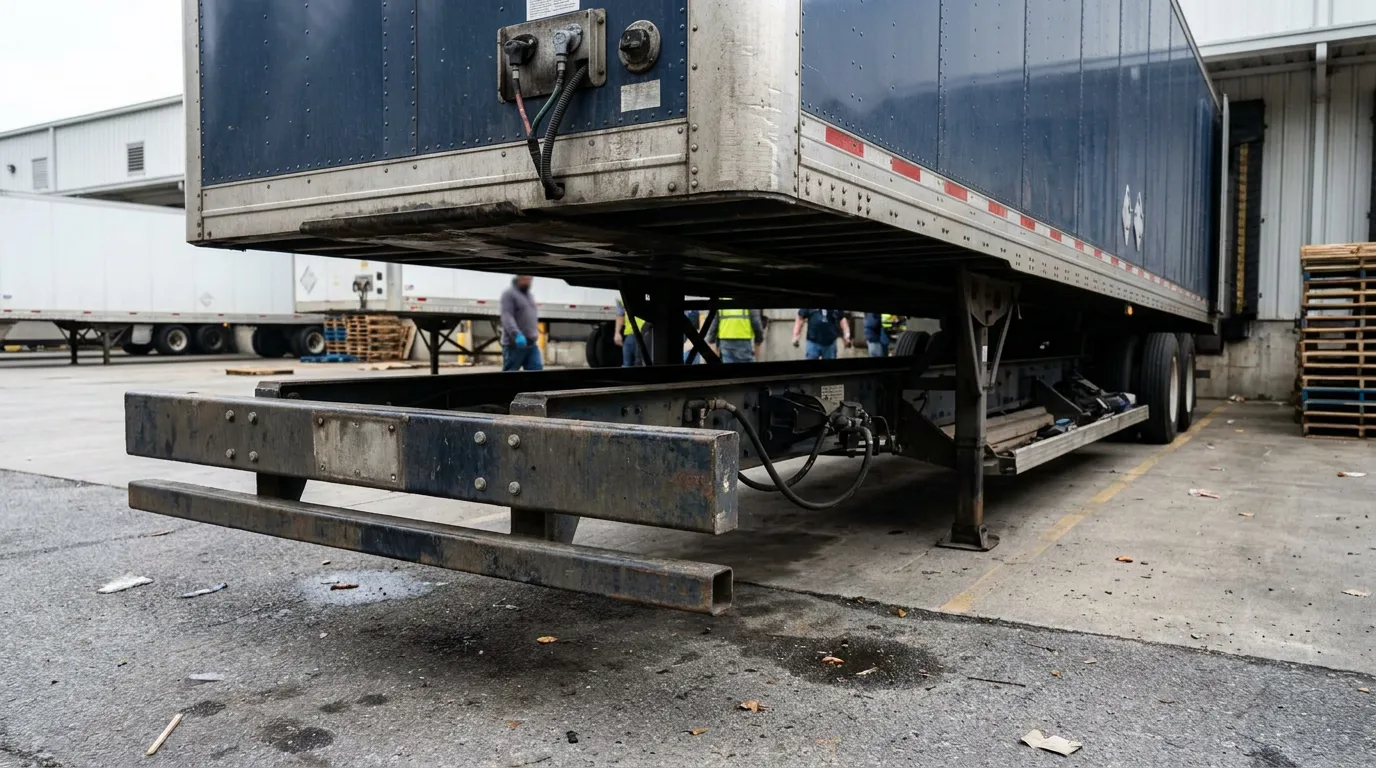
No federal rule requires side underride guards on semi trailers in 2026, and that gap has real consequences for people traveling I-79, I-68, and US-119 around Morgantown. FMVSS 223 and 224 address rear impact guards on trailers, but no comparable nationwide mandate governs the open space along a trailer’s sides. When a passenger vehicle slides beneath that gap, the trailer bed may strike the occupant compartment above the height of the vehicle’s primary structure, potentially producing catastrophic head, neck, and spinal trauma rather than the survivable damage a crumple zone is designed to absorb. Federal agencies have studied side guards for years, including through the rulemaking record maintained in the FMCSA underride guard docket, yet no binding side guard requirement has been finalized.
If you or a family member suffered life-altering injuries in a truck crash, the team at Robinette Legal Group PLLC is ready to review what happened. Call 304-501-5753 or contact us now to discuss your options with a Morgantown truck injury lawyer.
Why the Side Underride Guard Mandate 2026 Debate Remains Unresolved
Federal rulemaking on side guards has stalled repeatedly for reasons that have little to do with whether the technology works. NHTSA weighs cost-benefit projections, trailer weight and fuel economy tradeoffs, industry comment, and durability testing before finalizing equipment standards. Safety advocates have submitted testing data supporting side guard effectiveness, while manufacturers and carriers have raised concerns about retrofit costs and maintenance burdens.
The practical result is that NHTSA side guard rulemaking has produced study, comment periods, and reports rather than a binding equipment standard. Nothing in the current record guarantees a federal side underride regulation will take effect on any particular timeline.
What Federal Law Does and Does Not Require
Rear impact guards are federally regulated; side protection largely is not. That distinction matters in litigation, because a defense attorney may argue that a trailer without a side guard complied with all applicable federal standards.
| Trailer Area | Federal Standard | Practical Effect |
|---|---|---|
| Rear | FMVSS 223 and 224 govern rear impact guards | Minimum strength and placement requirements apply |
| Sides | No nationwide mandate as of 2026 | Equipment choice is generally voluntary |
| Front | No underride mandate | Not addressed by current standards |
Compliance with a minimum federal standard is evidence of due care but does not automatically defeat a negligence claim, and federal motor vehicle safety law contains a savings clause preserving common-law liability. Courts may consider industry practice, available safety technology, and a carrier’s own knowledge of underride risk, although defendants sometimes argue certain claims are impliedly preempted where a state-law duty would conflict with a federal regulatory choice.
How West Virginia Law Fills the Federal Void
Because there is no federal side guard standard, claims arising from semi truck underride crash injuries in West Virginia generally proceed under ordinary negligence and product liability principles. A plaintiff must generally establish duty, breach, causation, and damages. Depending on the facts, potential defendants may include the driver, the motor carrier, a trailer manufacturer, a maintenance contractor, or a shipper responsible for loading.
West Virginia also regulates vehicle equipment at the state level. The framework governing vehicle equipment requirements under W. Va. Code §17C-15-1 establishes the state’s baseline authority over lighting, reflectors, and safety equipment on public roadways, but it does not address side underride protection. Whether a particular equipment defect contributed to a crash is a fact-dependent question requiring reconstruction analysis, and West Virginia courts treat a statutory violation as evidence of negligence rather than automatic liability.
Regulatory Violations as Evidence of Negligence
Even without a side guard rule, federal motor carrier regulations create numerous duties that a carrier can breach. Hours-of-service limits, inspection and maintenance obligations, conspicuity tape requirements, driver qualification files, and cargo securement rules all generate documentary evidence. Understanding what federal trucking violations can support a lawsuit often shapes the entire theory of a case. A violation still must be shown to have caused the crash to support recovery.
Reflective tape condition is particularly relevant here. A trailer crossing a dark two-lane road with degraded conspicuity markings may be difficult to perceive until impact is unavoidable.
💡 Pro Tip: Send a written preservation letter early. Electronic control module data, dashcam footage, and maintenance records may be overwritten or discarded under routine retention policies unless preserved.
Comparative Fault and What It Means for Your Recovery
West Virginia applies a modified comparative fault system, which can directly affect how much an injured person may recover. Under the West Virginia Comparative Fault and Contribution Act, W. Va. Code §55-7-13a, and the related allocation provisions of W. Va. Code §55-7-13c, the trier of fact assigns percentages of fault among the parties and, in many cases, nonparties. Damages are reduced by the plaintiff’s share, and recovery is barred entirely if the plaintiff’s fault is greater than the combined fault of all other persons responsible for the injury.
This 2015 framework replaced the earlier judicially created comparative negligence rule and modified the prior approach reflected in W. Va. Code §55-7-8a regarding the effect of contributory negligence. Most states have moved away from pure contributory negligence toward some version of comparative negligence, though specific bar and allocation rules vary by jurisdiction.
The defense may argue that the injured driver was speeding, distracted, or following too closely. Countering that narrative typically requires scene evidence, black box downloads, and accident reconstruction testimony rather than argument alone.
Deadlines That Can End a Claim Before It Starts
West Virginia generally imposes a two-year statute of limitations on personal injury actions. Under W. Va. Code §55-2-12(b), actions for injuries done to the person must generally be brought within two years after the right to bring the action accrues, and subsection (a) applies a comparable two-year period to damage to property. Wrongful death claims are governed separately by W. Va. Code §55-7-6, which generally requires filing within two years of death.
Certain exceptions may apply in limited circumstances, including tolling for minors or persons under a disability and discovery-rule questions where an injury or its cause was not reasonably discoverable. Courts apply these exceptions narrowly, and no tolling doctrine applies automatically. Claims involving governmental entities may carry separate administrative notice requirements and shorter deadlines distinct from the general civil limitations period.
Damages in Catastrophic Underride Cases
Underride collisions frequently produce injuries that can reshape a family’s entire financial future. A full damages analysis in these cases generally addresses:
- Emergency response, trauma surgery, hospitalization, and intensive care
- Rehabilitation, physical therapy, assistive equipment, and long-term or lifetime care needs
- Lost wages during recovery and diminished earning capacity where a return to prior work is not possible
- Pain, suffering, emotional distress, and the loss of activities that defined daily life
- Home modification and in-home attendant care in cases involving paralysis or brain injury
Policy limits matter as much as damages calculations. Even a well-documented claim may be constrained by the at-fault party’s available coverage, which is why identifying additional recovery sources is a core part of case development. Underinsured motorist coverage, umbrella policies, brokered carrier arrangements, and product liability claims against a trailer manufacturer may all expand the pool of potentially available compensation, subject to policy terms and applicable statutory caps. A West Virginia truck accident attorney can help identify potentially responsible parties early, before evidence degrades.
Practical Steps After a Serious Truck Crash
What happens in the first weeks often determines what evidence exists later. Carriers frequently dispatch rapid response investigators within hours, and their team may be documenting the scene while an injured person is still in surgery.
Consistent medical treatment creates the record that can support future care projections. Gaps in treatment may give insurers an argument that injuries resolved or were unrelated to the collision. Outcomes always depend on the specific facts, and no result can be promised in any individual matter.
Frequently Asked Questions
1. Can I sue if the trailer met every federal standard?
Possibly. Compliance with minimum federal equipment rules does not automatically establish that a carrier or manufacturer acted reasonably, and federal safety law generally preserves common-law claims. Courts may consider available safety technology and industry knowledge, though preemption defenses can arise in some circumstances.
2. Does West Virginia require side underride guards?
As of 2026, no West Virginia statute or regulation imposes side guard requirements beyond general vehicle equipment law. That is why claims for semi truck underride crash injuries typically rely on negligence and product liability theories rather than a specific equipment violation.
3. How long do I have to file a claim in West Virginia?
Generally two years from accrual under W. Va. Code §55-2-12, subject to narrow exceptions and to different rules for wrongful death and claims against government entities. Waiting may reduce the availability of physical evidence and witness recollection even when the deadline has not expired.
4. What if I was partly at fault?
Under West Virginia’s modified comparative fault statute, partial fault reduces recovery proportionally and bars it entirely if your fault is greater than the combined fault of everyone else responsible. Fault allocation is fact-intensive and often contested by expert testimony.
5. Who can be held responsible besides the driver?
Depending on the evidence, the motor carrier, trailer manufacturer, maintenance provider, or cargo loader may share responsibility. Identifying all potential defendants can meaningfully affect available insurance coverage.
Where This Leaves Injured West Virginians
The absence of a federal side guard rule does not necessarily leave crash victims without options. West Virginia’s negligence framework, comparative fault statutes, and product liability doctrine may still allow injured people and grieving families to pursue accountability against carriers and manufacturers whose choices contributed to catastrophic harm. Outcomes generally depend on rapid evidence preservation, thorough regulatory analysis, and credible reconstruction and life care planning testimony.
If a semi trailer collision has upended your family’s life, the attorneys at Robinette Legal Group PLLC are prepared to investigate. Call 304-501-5753 or request a free consultation to talk with an underride crash lawyer in WV about your circumstances.
Disclaimer: This content is for informational purposes only and is not legal advice. Every case is unique, and results may vary. Consult an attorney about your specific circumstances.

Jeffery Robinette was admitted to practice law in 1991 and is licensed in all levels of state and federal trial courts in West Virginia. Mr. Robinette is also licensed in all state and federal appeals courts in West Virginia and the United States Supreme Court. As a National Board Certified Trial Attorney who has handled hundreds of motor vehicle, injury, and construction defect claims and a leading author on insurance claims settlement issues and difficulties in West Virginia, Jeff Robinette is uniquely qualified to represent your best interest.