

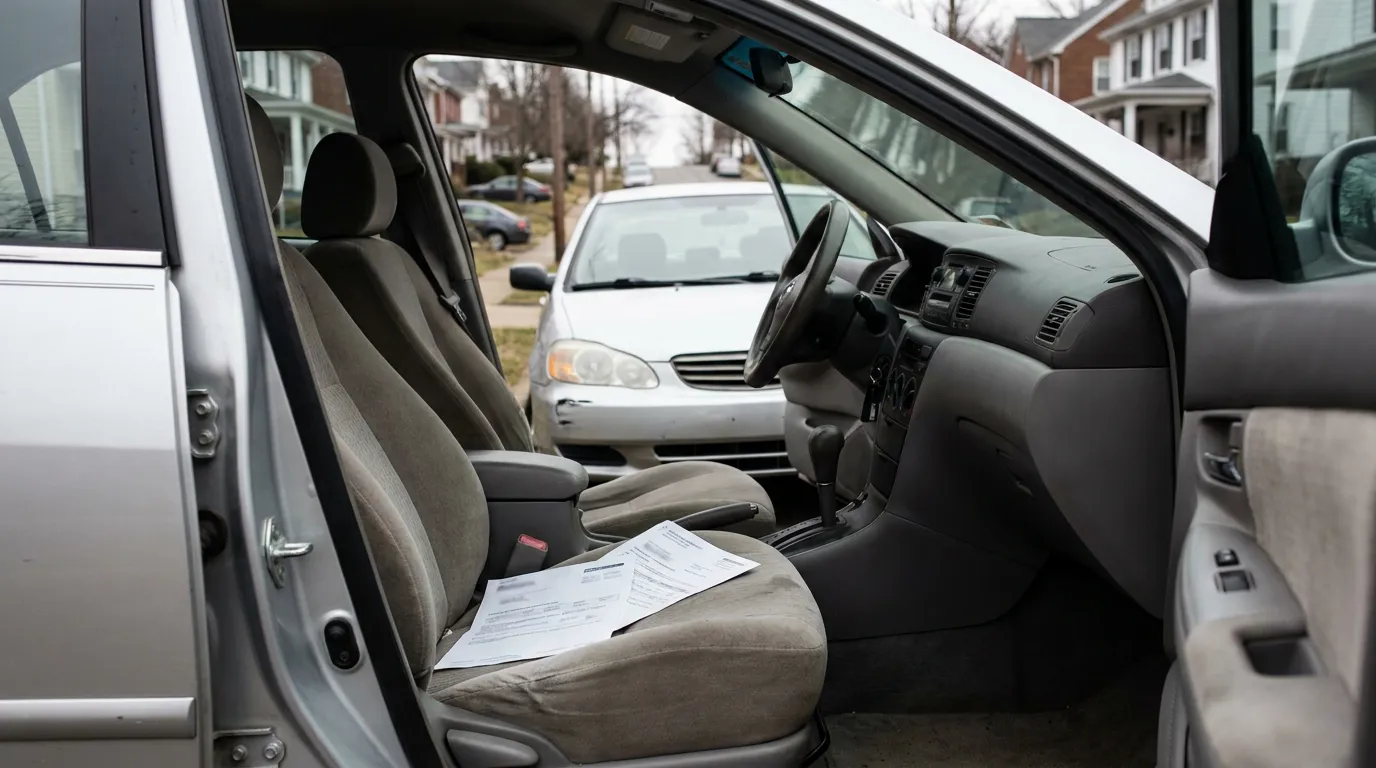
Understanding How Collateral Source Payments Affect Your Injury Claim
Key Takeaways: The collateral source rule is a West Virginia damages doctrine that prevents the introduction of evidence at trial showing a plaintiff’s losses were already paid by independent sources like health insurance or workers’ compensation, keeping the negligent driver fully accountable. In a serious Morgantown car accident, this protects your claim’s true value by treating benefits you paid for as something the at-fault party should not enjoy as a windfall. The rule has limits: in medical professional liability actions, West Virginia Code § 55-7B-9a allows a liable defendant to present collateral source payments to the court after verdict but before judgment, potentially reducing compensatory damages for economic losses, though this statutory offset does not apply to ordinary car accident claims. Other factors shape recovery, including the two-year filing deadline under W. Va. Code § 55-2-12, the state’s modified comparative negligence bar, and policy limits that may require UIM or third-party coverage. Because these issues are fact-dependent and courts read exceptions narrowly, personalized legal guidance is essential.
The collateral source rule is a longstanding damages doctrine that stops an at-fault driver from paying less simply because your own insurance already covered part of your losses. In a serious Morgantown car accident, this rule protects the full value of your claim when another party’s negligence leaves you with life-altering injuries. The collateral source rule bars the admissibility of evidence at trial showing that a plaintiff’s losses have been compensated from other sources, such as insurance or workers compensation. The jury generally does not hear that your health insurer paid your bills, so the negligent party remains accountable for the harm they caused.
If you were badly hurt in a crash caused by another driver, understanding this rule can be the difference between a fair recovery and one that falls short. For guidance tailored to your situation, the team at Robinette Legal Group PLLC is ready to help. You can call 304-501-5753 or reach out through the firm’s online case review page to discuss your options.
How the West Virginia Collateral Source Rule Protects Injured Victims
At its core, the west virginia collateral source rule prevents a negligent defendant from shrinking its liability just because you received compensation from an independent source. The doctrine treats benefits like health insurance as something you paid for, not a windfall the at-fault party should enjoy. The rule normally precludes offsetting payments from health and accident companies and other collateral sources against the damages an injured party claims. In practice, this keeps the focus on the wrongdoer’s responsibility for your surgeries, rehabilitation, and long-term care.
This concept rests on a well-developed legal foundation in West Virginia. The doctrine has been the subject of scholarly analysis published by the West Virginia University College of Law, including a case comment titled "Damages–Collateral Source Rule" in the West Virginia Law Review, giving Morgantown-area readers an authoritative, in-state perspective on how the collateral source rule West Virginia courts recognize fits within tort and personal injury damages law.
Why This Rule Matters After a Morgantown Car Accident
For someone facing catastrophic injuries, the collateral source rule can preserve the true measure of what a negligent driver owes. When a crash leaves you with broken bones, spinal damage, or a traumatic brain injury, your health insurance may pay for emergency treatment right away. Without this rule, a defendant might argue it should pay less because those bills were already covered. The doctrine blocks that argument during the jury’s damages determination, which is critical in high-value cases.
Key Legal Considerations
West Virginia law includes protections that affect how defenses are raised. For example, West Virginia has multiple context-specific statutes, such as W. Va. Code §§ 33-15A-6, 33-16, and 33-16D-12, that restrict how insurers may define "preexisting condition" within particular types of health insurance policies, though these are separate provisions governing insurance coverage eligibility rather than a single unified definition applicable to all carriers in personal injury damage claims. Additionally, a consent or confessed judgment against an insured party is generally not binding on that party’s insurer unless the insurer expressly agreed to be bound, a principle reflected in Horkulic v. Galloway, 222 W. Va. 450 (2008). An attorney who understands these nuances can help you avoid procedural pitfalls that might reduce your West Virginia crash compensation.
Statutory Exceptions That Can Reduce Your Recovery
The west virginia collateral source rule is not absolute, and codified exceptions exist that injured people should understand. The Legislature has created a statutory pathway that allows certain collateral source payments to reduce a plaintiff’s compensatory damages for economic losses in medical malpractice cases. Under West Virginia Code § 55-7B-9a, titled "Reduction in compensatory damages for economic losses for payments from collateral sources for the same injury," and part of the Medical Professional Liability Act, the framework permits offsets in defined circumstances. Importantly, this statute governs medical professional liability actions rather than ordinary motor vehicle claims, so in a typical Morgantown car accident case the traditional common-law collateral source rule generally continues to apply without this statutory offset.
Timing is a key feature of how this statutory exception works. A defendant found liable may present to the court, after the trier of fact has rendered a verdict but before entry of judgment, evidence of payments the plaintiff has received for the same injury from collateral sources. Such evidence generally stays away from the jury during the liability and damages phase and is considered only afterward by the court. Because whether and how these offsets apply is fact-dependent, results may vary based on the specific injuries, payment sources, and procedural posture of your case.
💡 Pro Tip: Keep organized records of every payment source, including health insurance, MedPay, and any other benefit. Clear documentation helps your attorney argue accurately about what may or may not be subject to a statutory offset.
Damages the Rule Helps You Protect in a Serious Injury Case
In a life-altering crash, the collateral source rule helps safeguard the full spectrum of West Virginia injury damages you may be entitled to pursue. Serious collisions produce costs that extend far beyond the initial hospital stay, and the doctrine helps ensure the at-fault party remains accountable for them. To learn more, you can review this resource on what compensation you can get after a West Virginia car accident.
Damages frequently at stake in a high-value Morgantown car accident case may include:
- Medical expenses, including emergency care, surgery, hospitalization, physical therapy, and future ongoing treatment
- Lost wages and diminished earning capacity when a serious injury keeps you from working
- Pain and suffering, emotional distress, and lasting impact on your quality of life
- Coverage limitations that may require underinsured motorist (UIM) coverage or third-party liability when the at-fault driver’s policy falls short
Even a well-supported claim can run into the ceiling of an at-fault driver’s policy limits. When those limits fall short of the harm you suffered, an attorney can help identify additional sources such as UIM coverage or third-party liability. This is especially important in drunk driving crashes, where victims often face devastating injuries that exceed a single policy. Identifying every available source of medical bills car accident WV victims must confront can be decisive in maximizing recovery.
Deadlines and Fault Rules That Affect Your Claim
Even the strongest collateral source argument means little if you miss the deadline to file suit. West Virginia generally gives you two years from the date of injury to file a personal injury lawsuit under W. Va. Code § 55-2-12. In limited circumstances, the discovery rule may apply to latent or hidden injuries, but courts interpret such exceptions narrowly. Claims involving governmental entities may carry distinct notice and deadline requirements under W. Va. Code § 29-12A-1 et seq., which are different from the standard civil statute of limitations.
West Virginia’s fault system also shapes how your damages are ultimately calculated. The state follows a modified comparative negligence framework adopted by 2015 HB 2002 and codified at W. Va. Code § 55-7-13a, under which a plaintiff is barred from recovery only when their share of fault is greater than the combined fault of all other persons. This means your compensation may be reduced in proportion to your own fault, but you are not necessarily barred from recovering. A knowledgeable Morgantown crash attorney can help protect your position on liability.
Frequently Asked Questions
1. Does the collateral source rule mean the jury never learns about my insurance?
Generally, yes, during the liability and damages phase. The rule normally keeps evidence of collateral payments away from the jury. Under a statutory exception that applies in medical professional liability (malpractice) actions, however, a defendant found liable may present such evidence to the court after the verdict but before judgment. In an ordinary car accident case, the traditional rule generally continues to apply.
2. Can my compensation still be reduced under West Virginia law?
It can, under certain conditions. West Virginia Code § 55-7B-9a permits reductions in compensatory damages for economic losses based on collateral source payments for the same injury, though that statute applies to medical malpractice claims rather than ordinary car accident cases. Whether an offset applies depends on the specific facts and payment sources involved.
3. How long do I have to file a car accident lawsuit in Morgantown?
In most cases, two years from the date of injury under W. Va. Code § 55-2-12. The discovery rule may apply to latent injuries in limited situations, but courts read such exceptions narrowly. Government claims may involve separate deadlines, so confirming your specific timeline is important.
4. What if the at-fault driver’s insurance is not enough to cover my injuries?
Additional sources may be available. Underinsured motorist coverage and third-party liability can sometimes supplement a claim when policy limits fall short. An attorney can review your coverage and the crash circumstances to identify every potential source of recovery.
5. Does my own fault affect what I can recover?
It may, but it does not necessarily bar your claim. West Virginia’s modified comparative fault rule allows recovery unless your fault is greater than the combined fault of all other persons, though your award may be reduced by your percentage of fault.
Protecting Your Right to Full Compensation
The west virginia collateral source rule remains an important safeguard for injured victims, even though statutory exceptions and fault rules can shape the final result. For someone recovering from a serious crash, understanding how this doctrine interacts with medical bills, insurance limits, and filing deadlines can make a real difference in the outcome. Because these issues are fact-dependent and courts interpret exceptions narrowly, personalized guidance is often essential.
If a negligent or drunk driver caused you or a loved one serious harm in West Virginia, do not wait to protect your claim. The dedicated team at Robinette Legal Group PLLC is prepared to help you pursue the full compensation you deserve. Call 304-501-5753 today or connect through the firm’s confidential contact form to take the next step.

Jeffery Robinette was admitted to practice law in 1991 and is licensed in all levels of state and federal trial courts in West Virginia. Mr. Robinette is also licensed in all state and federal appeals courts in West Virginia and the United States Supreme Court. As a National Board Certified Trial Attorney who has handled hundreds of motor vehicle, injury, and construction defect claims and a leading author on insurance claims settlement issues and difficulties in West Virginia, Jeff Robinette is uniquely qualified to represent your best interest.